A Tech CFO’s Next Act: Bringing AI to Farmers
Companies Mentioned

Why It Matters
Carbon Robotics’ AI‑driven hardware offers a cost‑saving alternative to herbicides, addressing rising input costs for farmers and signaling a shift toward precision agriculture at scale.
Key Takeaways
- •Carbon Robotics hit $100M revenue, proving market demand
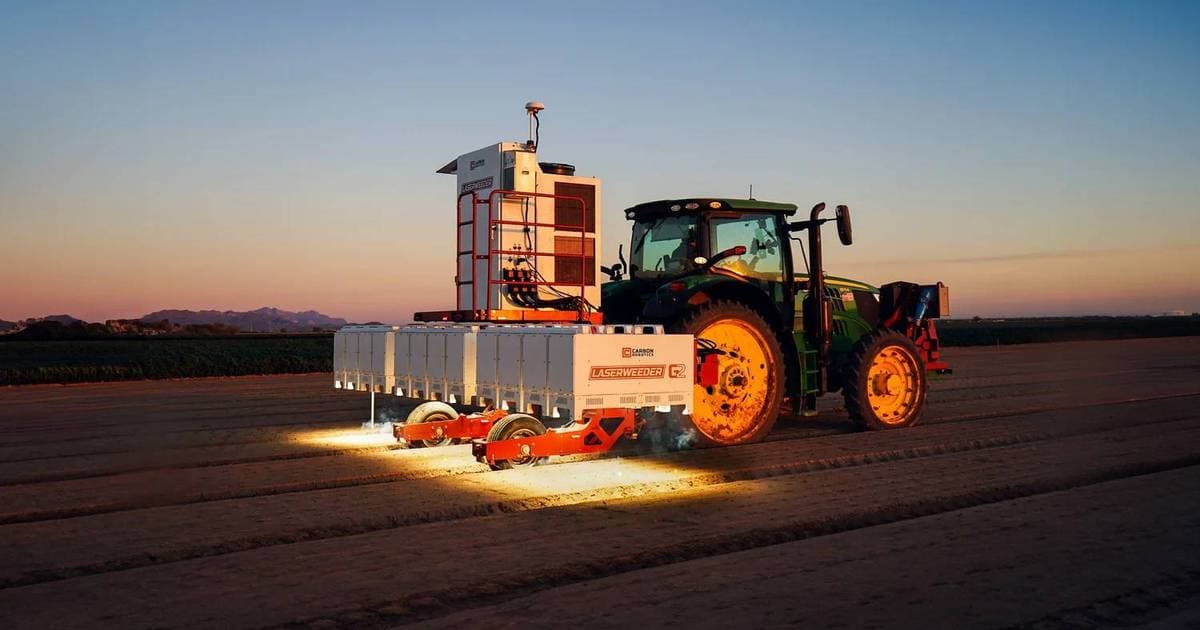
- •LaserWeeder uses AI and lasers to replace herbicides
- •CFO Krysler aims to boost ROI messaging for conventional farmers
- •ATK autonomous tractor solution is second growth priority
Pulse Analysis
The convergence of artificial intelligence and robotics is reshaping agriculture, a sector traditionally slow to adopt high‑tech solutions. Rising labor, fuel, and fertilizer expenses are squeezing farmer margins, prompting growers to seek automation that can cut costs without compromising yields. AI‑enabled equipment like Carbon Robotics’ LaserWeeder offers a compelling value proposition: it detects weeds in real time and eradicates them with precision lasers, eliminating the need for chemical herbicides and reducing labor intensity. This technology aligns with broader sustainability trends, as fewer chemicals mean lower environmental impact and compliance with tightening regulations.
Carbon Robotics, founded in 2018 and backed by heavyweight investors such as Nvidia NVentures, has demonstrated commercial viability with $100 million in annual revenue and a customer base spanning 15 countries. The company’s growth is anchored by its LaserWeeder, which has already been adopted by hundreds of farms, and its emerging ATK autonomous tractor platform. CFO Kevan Krysler, leveraging experience from KPMG and VMware, is tasked with translating technical performance into clear financial ROI for conservative farming audiences. By emphasizing cost savings, yield improvements, and reduced chemical usage, the finance team aims to accelerate adoption among conventional growers who traditionally rely on herbicides and manual weeding.
If Carbon Robotics can scale its solutions and prove consistent returns, it could catalyze a broader shift toward AI‑driven precision farming. Successful ROI narratives will likely attract additional capital, spur competitive innovation, and drive down equipment costs over time. For the ag‑tech ecosystem, this represents a pivotal moment where sophisticated hardware meets practical economics, potentially redefining how the world feeds itself while meeting sustainability goals.
A tech CFO’s next act: bringing AI to farmers
Comments
Want to join the conversation?
Loading comments...