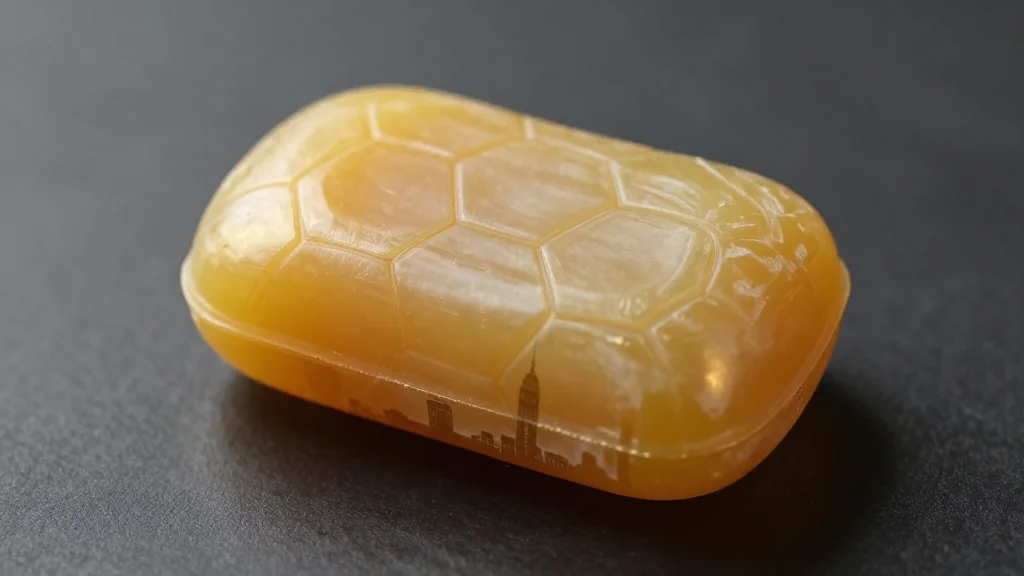
Dr. Squatch Secures FIFA World Cup 2026 Sponsorship, Launches Golden Glory Soap

Companies Mentioned
Why It Matters
The Dr. Squatch FIFA World Cup 2026 sponsorship illustrates how niche consumer‑goods brands can leverage mega‑events to break into broader markets. By pairing a limited‑edition product with a high‑stakes sweepstakes, the company creates a direct line to millions of viewers who may not have previously considered natural grooming products. The move also challenges the traditional dominance of beverage and apparel sponsors in global sports, suggesting a new avenue for personal‑care brands to achieve scale. For marketers, the case underscores the importance of integrating product launches with experiential incentives. The sweepstakes not only drives traffic but also captures valuable consumer data, enabling precise retargeting after the event. If successful, Dr. Squatch’s model could inspire a wave of similar sponsorships from other DTC brands seeking rapid growth through high‑visibility partnerships.
Key Takeaways
- •Dr. Squatch becomes an Official Sponsor of FIFA World Cup 2026, its first global sports partnership.
- •Launch of Golden Glory limited‑edition soap, priced at $8 per bar or $24 for a three‑pack.
- •Sweepstakes offers two tickets to the World Cup final, a four‑night NYC hotel stay and a $1,600 travel stipend.
- •Brand aims to convert World Cup viewership of ~1 billion into new customers for its natural grooming line.
- •Post‑tournament analysis scheduled for early 2027 to evaluate ROI and future sponsorship strategy.
Pulse Analysis
Dr. Squatch’s entry into World Cup sponsorship marks a strategic pivot from pure digital acquisition to a hybrid model that blends traditional media exposure with direct‑to‑consumer incentives. Historically, personal‑care brands have relied on retail shelf placement and influencer marketing; this partnership signals a willingness to invest in high‑cost, high‑visibility assets to accelerate brand awareness. The limited‑edition soap serves as a tangible touchpoint that reinforces the brand’s natural‑ingredients narrative while the sweepstakes creates a viral hook that can be amplified across social platforms.
From a competitive standpoint, the move could pressure larger grooming conglomerates—such as Procter & Gamble and Unilever—to reconsider their sponsorship portfolios. Those companies have long dominated sports marketing budgets, but a successful Dr. Squatch campaign could demonstrate that niche brands can achieve comparable reach with more focused, experience‑driven tactics. The brand’s data‑centric approach—collecting entries, tracking redemption, and measuring post‑event purchase behavior—offers a template for ROI measurement that many traditional sponsors lack.
Looking ahead, the key question is whether the World Cup exposure translates into sustainable growth or remains a one‑off spike. If Dr. Squatch can convert a fraction of the tournament’s audience into repeat purchasers, the sponsorship could justify a multi‑year commitment and inspire a new wave of consumer‑goods sponsorships in sports. Conversely, a modest lift would reinforce the notion that only brands with massive budgets can truly capitalize on such events. The upcoming post‑tournament review will be a bellwether for the viability of this approach in the broader CMO Pulse ecosystem.
Dr. Squatch Secures FIFA World Cup 2026 Sponsorship, Launches Golden Glory Soap
Comments
Want to join the conversation?
Loading comments...