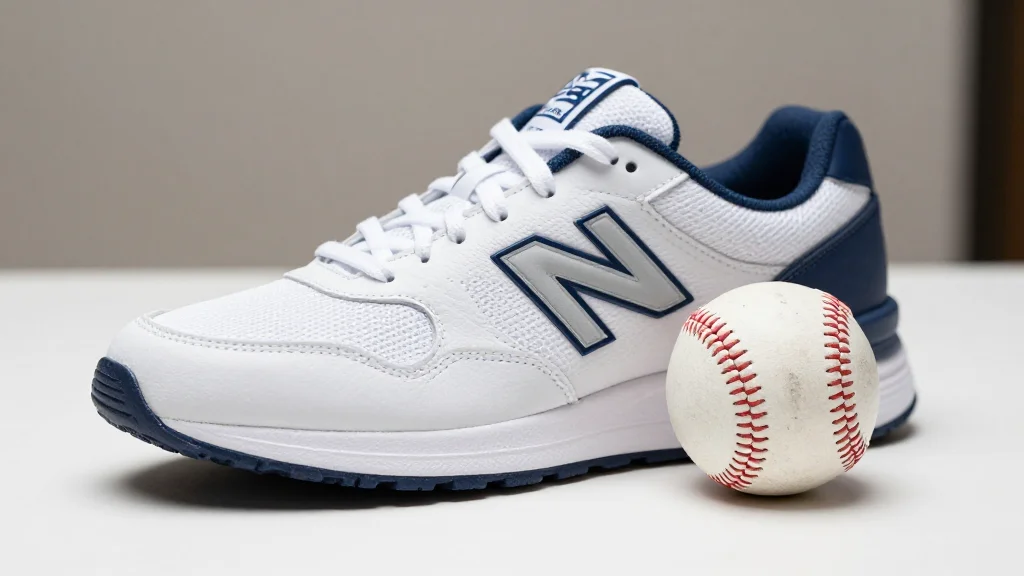
New Balance Taps Shohei Ohtani to Cement Its Rise as a Baseball Powerhouse

Companies Mentioned
Why It Matters
The New Balance‑Ohtani partnership illustrates how a legacy footwear brand can reinvent itself through strategic athlete endorsements. By anchoring its baseball push to a globally recognized star, New Balance not only diversifies its revenue streams but also challenges the dominance of entrenched players in the sports‑apparel arena. The initiative underscores a shift toward niche‑category growth, where brands leverage cultural relevance and product innovation to win market share. For CMOs, the case offers a blueprint for aligning product development with storytelling: authentic athlete feedback, a clear heritage narrative, and a long‑term commitment to a new sport can generate both consumer trust and measurable sales lift. As the MLB landscape evolves, the success of New Balance’s campaign could inspire similar cross‑sport branding moves across the industry.
Key Takeaways
- •New Balance signed Shohei Ohtani in 2023 for a multi‑year endorsement deal
- •Brand president Chris Davis highlighted a "running shoe on spikes" mentality
- •Evan Zeder credited former Red Sox star Dustin Pedroia for early product feedback
- •Baseball‑related revenue reportedly up 12 % YoY since the partnership
- •Upcoming limited‑edition line with Francisco Lindor scheduled for summer 2026
Pulse Analysis
New Balance’s aggressive foray into baseball marks a rare instance of a heritage running brand successfully leveraging a marquee athlete to break into a new sport category. Historically, footwear giants have relied on broad‑spectrum sponsorships; New Balance’s focused, family‑oriented narrative differentiates it by emphasizing craftsmanship and long‑term athlete collaboration. This approach mitigates the risk of fleeting hype and builds a product pipeline rooted in genuine performance data, a factor that could sustain consumer loyalty beyond Ohtani’s on‑field success.
The partnership also reflects a broader industry pivot toward hyper‑targeted market segments. As the overall sports‑apparel market matures, growth increasingly comes from niche verticals—baseball, cricket, esports—where brand loyalty can be cultivated through deep cultural ties. New Balance’s private ownership grants it the patience to iterate on product design without the quarterly pressure faced by publicly traded rivals, allowing it to fine‑tune its baseball cleats based on athlete feedback rather than solely on sales velocity.
Looking forward, the real test will be whether New Balance can translate its baseball credibility into lasting market share. If the brand can maintain product superiority and expand its athlete roster, it may force incumbents to reconsider their own endorsement strategies, potentially sparking a wave of sport‑specific collaborations. For marketers, the lesson is clear: aligning a brand’s core values with a high‑profile, authentic partnership can unlock new growth avenues, even in categories where the brand has historically been peripheral.
New Balance taps Shohei Ohtani to cement its rise as a baseball powerhouse
Comments
Want to join the conversation?
Loading comments...