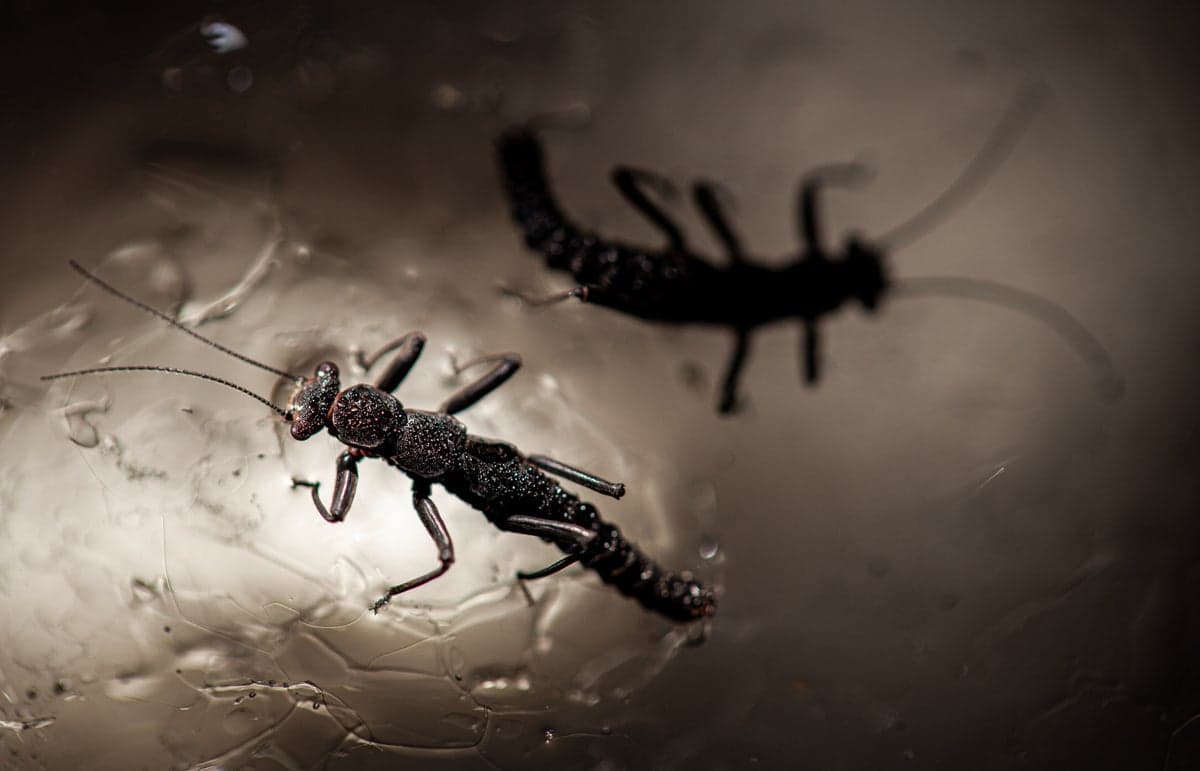
Glaciers Are Secretly Teeming with Life
A new meta‑analysis published in the Proceedings of the National Academy of Sciences reveals that more than 150 distinct animal species inhabit glaciers worldwide, many of which have never been recorded elsewhere. The study shows that different glacier micro‑habitats—such as cryoconite holes, surface debris, and meltwater streams—support characteristic assemblages, from tardigrades in icy pools to nematodes on dusty ice. Research has been heavily weighted toward western North America, Greenland, parts of Europe and the Himalayas, leaving large swaths of glaciated terrain under‑explored. As global warming accelerates glacier loss, these hidden communities face rapid extinction before they are fully documented.
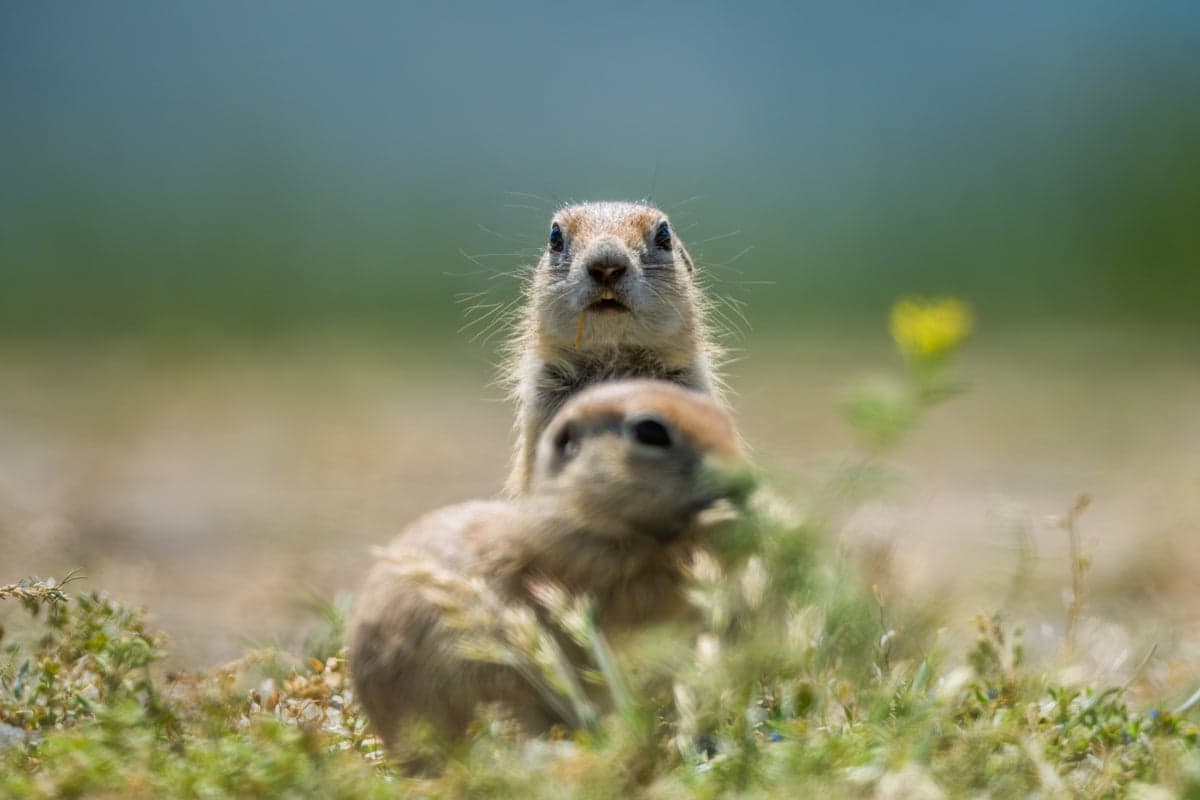
Ancient Ground Squirrels Feasted on Carcasses Like ‘Zombies of the Pleistocene’
A new Nature Communications study analyzed 700,000‑year‑old ground‑squirrel coprolites from Yukon permafrost, uncovering DNA from megafauna such as woolly mammoths, bison and big cats. The genetic material revealed a previously unknown lineage of long‑tailed ground squirrels (Urocitellus undulatus) and some...
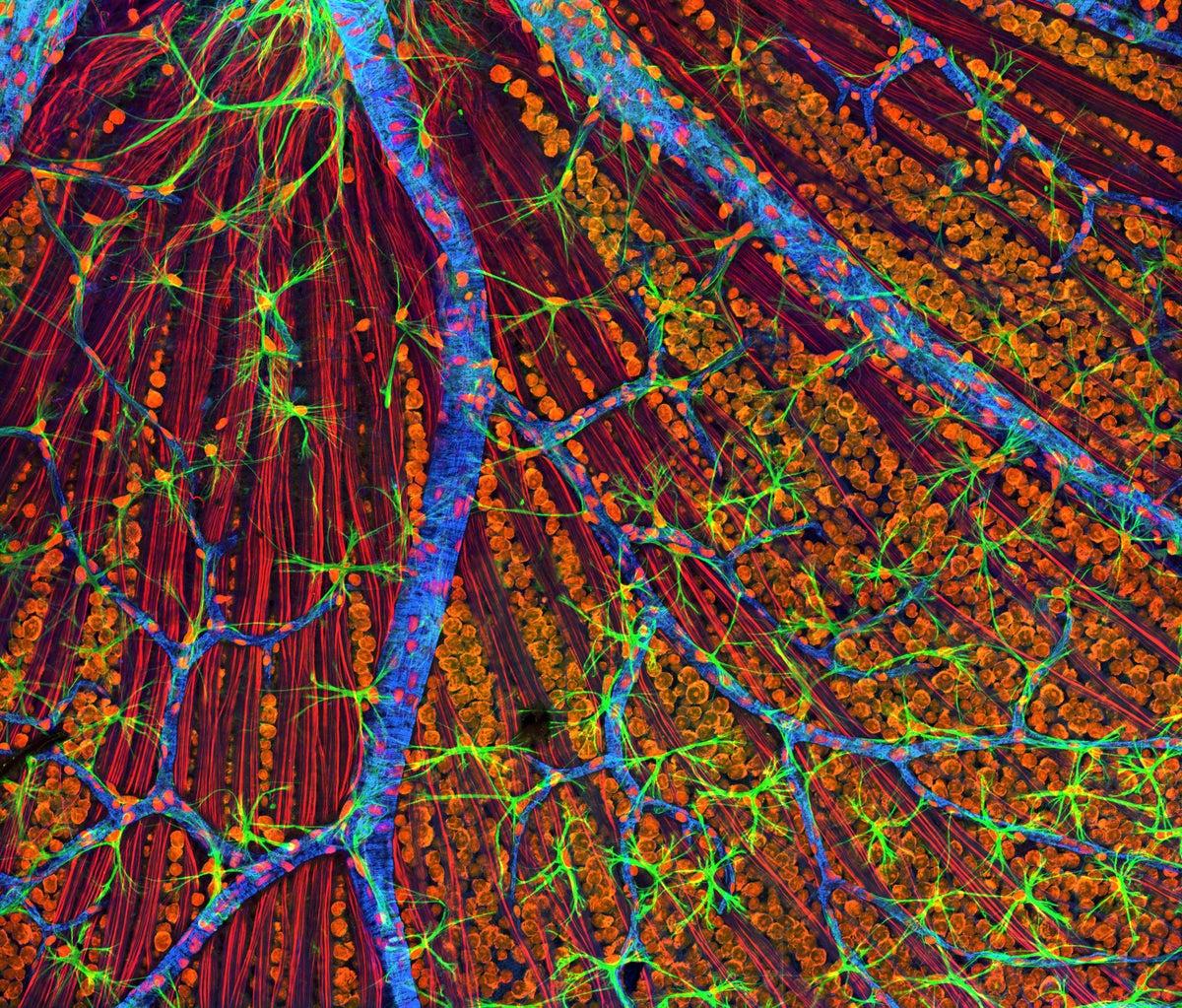
World-First: Therapy to Make Cells Young Again Given to a Person
Life Biosciences launched the world’s first human trial of partial cellular reprogramming to treat glaucoma, injecting three rejuvenation genes into retinal cells. The therapy uses a doxycycline‑controlled viral vector, allowing researchers to switch gene expression on and off. Early animal...

U.S. Industries Push to Revive Tungsten Production Amid Shortage
The United States is reviving domestic tungsten production after China’s 2025 export restrictions created a sharp supply shortage for the supermetal used in missiles and cutting tools. The Pentagon’s February letter to more than 1,500 firms urged a boost in...
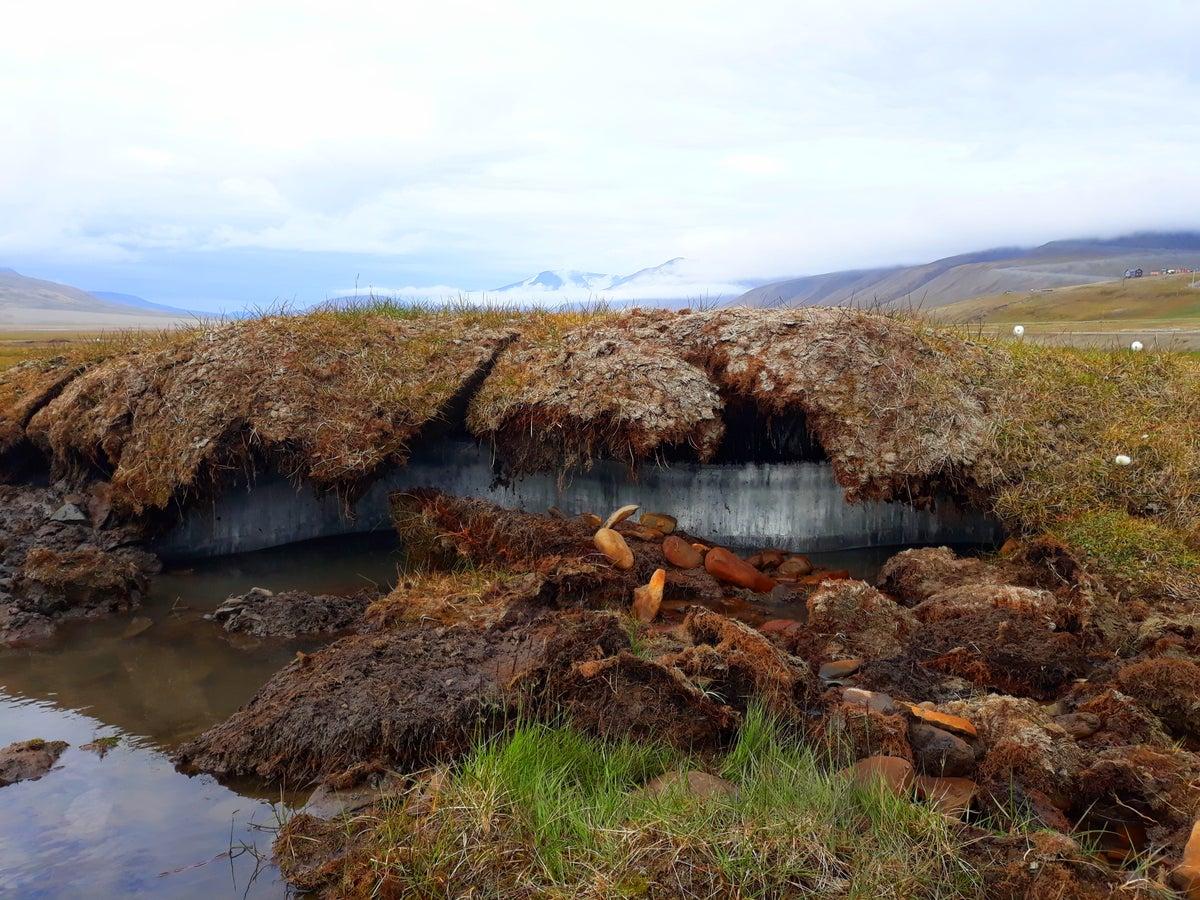
Earth’s Permafrost Could Soon Release Hidden ‘Deep Carbon,’ Supercharging Warming
A new analysis reveals that deep permafrost—soil layers beyond three meters—contains a hidden carbon reservoir that could be released much sooner than earlier models predicted. The study estimates a tipping point by 2100, when melting northern permafrost may emit more...

SpaceX IPO Valuation Depends on Starship and Orbital AI Data Centers
SpaceX’s upcoming IPO is being positioned as the biggest ever, with a projected $1.75 trillion valuation. The company’s pitch rests on two high‑risk bets: a fully reusable Starship launch system and a proposed constellation of up to one million AI‑focused satellites that...

Crowdsourcing Could Discover New Meteor Showers and More
Astronomy enthusiasts are being recruited to expand worldwide meteor‑camera networks, boosting the detection of sporadic meteors, weak showers, and even interstellar fireballs. Existing systems such as Spain's SMART project and the Global Meteor Network already capture thousands of meteors annually,...

Can Black Holes Send Information Back in Time?
Physicists have modeled how much information could travel backward in time via closed timelike curves (CTCs) that may form around rotating black holes. The study, led by MIT’s Seth Lloyd and Cornell’s Kaiyuan Ji, shows that a sender’s memory of...

Obstetricians Oppose CDC to Recommend More Shots for Moms
The American College of Obstetricians & Gynecologists (ACOG) unveiled a new immunization schedule that recommends four vaccines for pregnant people, including COVID‑19, flu, Tdap and RSV, surpassing current CDC guidance. The plan is backed by 13 medical societies and highlights...
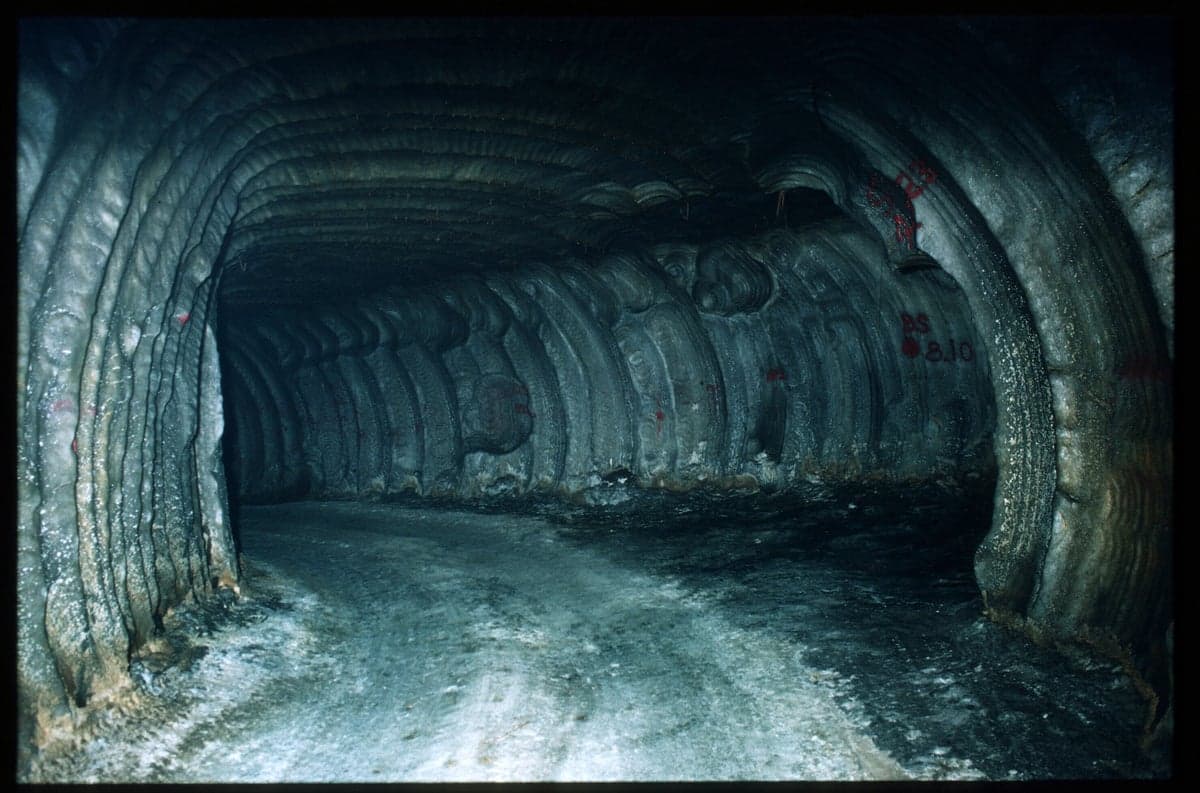
The U.S. Stockpiles Oil in Huge Underground Salt Caverns. Here’s Why
The U.S. Strategic Petroleum Reserve (SPR) has drawn down 66 million barrels since the Iran‑related conflict began, pushing the stockpile to its lowest level since the Reagan era. The reserve’s 60 underground salt caverns along the Gulf Coast can hold 714 million...
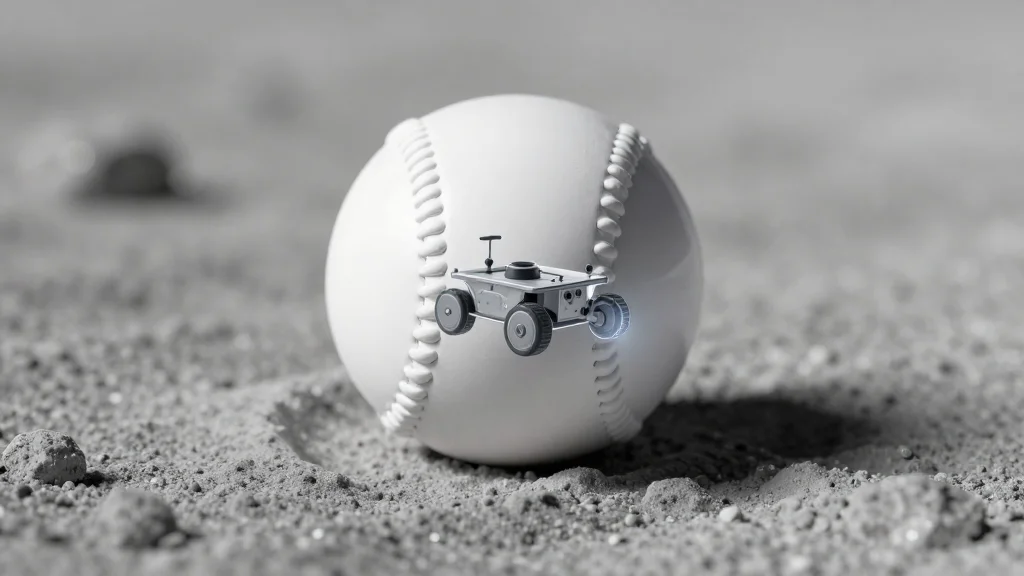
Meet LEV-2, a Baseball-Sized and Absurdly Cute Moon Robot
Japan Aerospace Exploration Agency’s Lunar Excursion Vehicle 2 (LEV‑2) demonstrated a baseball‑sized, transformable robot on the Moon in January 2024, rolling and wheeling while transmitting images back to Earth. The eight‑ounce rover, built with toy‑company TOMY, can switch from a spherical “hamster‑ball”...

Children’s Zip Codes Change Their Brains, New Study Finds
A new study published in *Science* using the ABCD brain‑imaging dataset finds that a child’s zip code—and the socioeconomic resources it reflects—has the strongest association with brain function, appearing more tired and stressed. Researchers evaluated 649 variables, from IQ to...
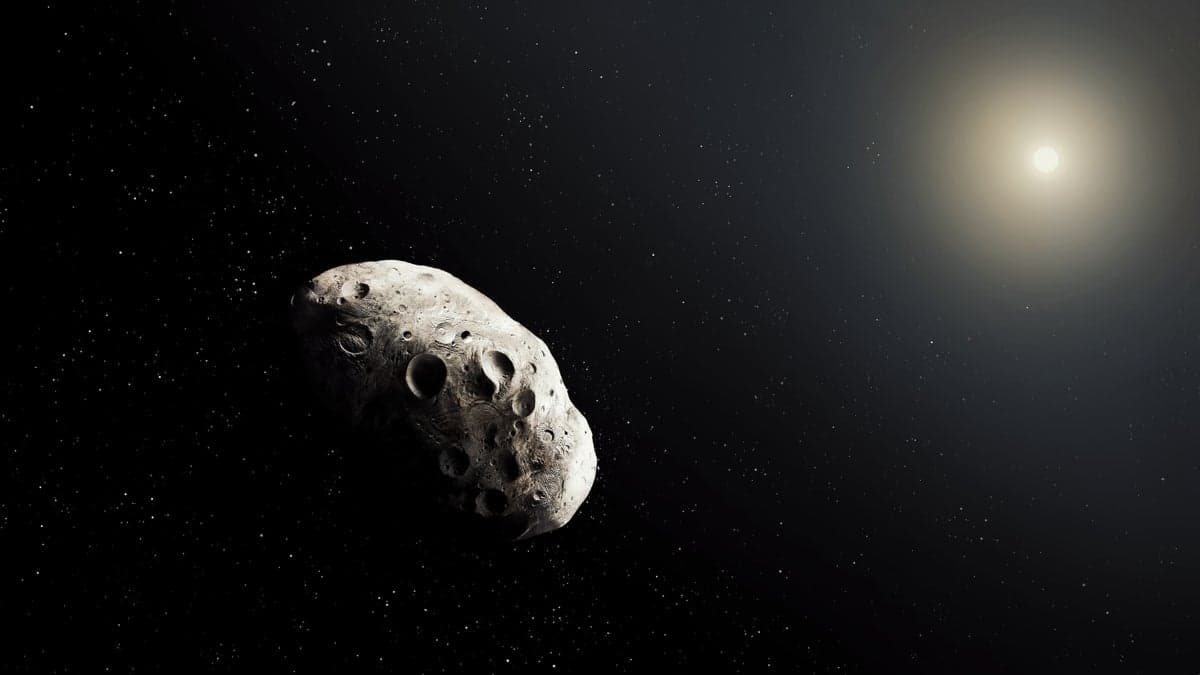
China’s Tianwen-2 Spacecraft Arrives at One of Earth’s Mysterious ‘Quasi-Moons’
China’s Tianwen‑2 deep‑space probe performed a precise engine burn to rendezvous with Earth’s quasi‑moon asteroid Kamoʻoalewa. The 40‑100 m rock spins every 28 minutes and will be studied and sampled over the next four weeks. Tianwen‑2 will test three sampling techniques—touch‑and‑go, hover,...

What AI-Herding Scientists Can Learn From Watching ‘Sheepdog YouTube’
Scientists analyzed YouTube footage of sheepdog trials and identified a two‑step tactic—waiting for all sheep to align, then chasing—to steer tiny, noisy flocks. The insight inspired an "Indecisive Swarm Algorithm" that lets robots intermittently follow a central controller or neighboring...
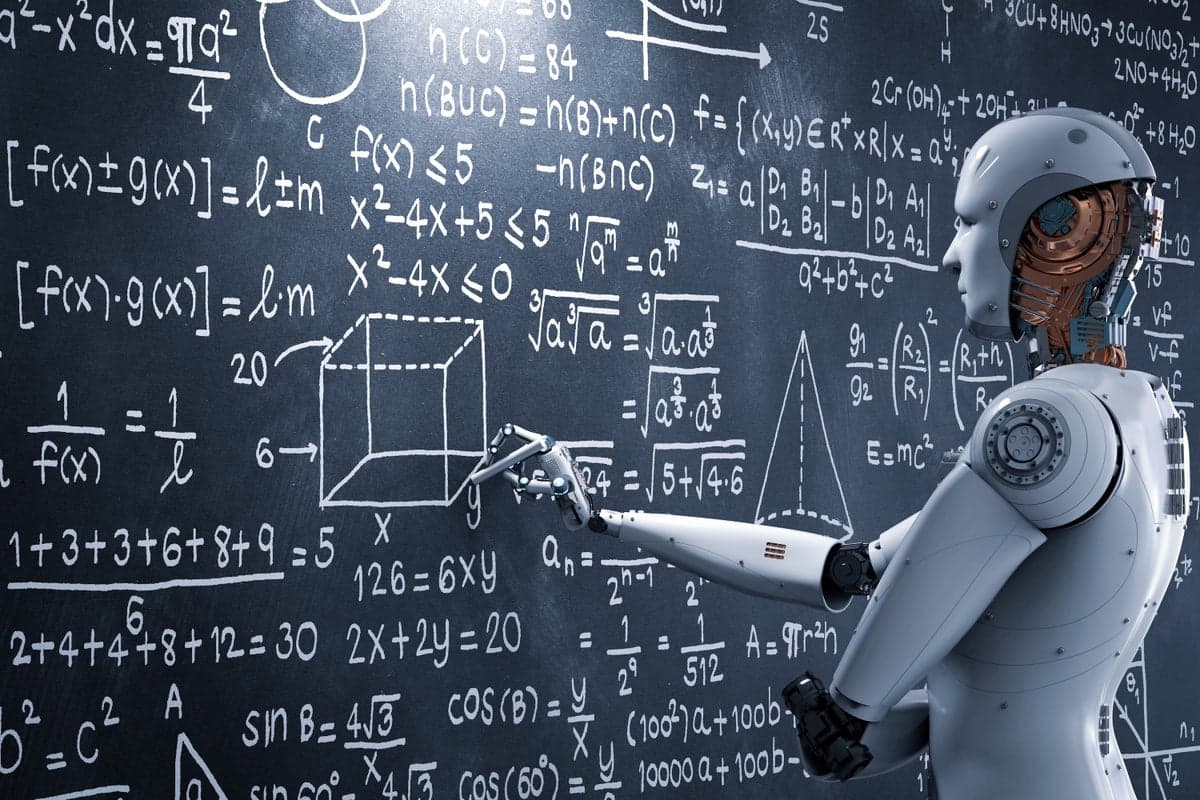
AI Scores a ‘C-’ on Its Hardest Math Test Yet
The First Proof project released its first public benchmark of AI math abilities, testing publicly available models. OpenAI’s ChatGPT‑5.5 Pro and three academic‑built systems tackled ten advanced problems, with the best model solving six to seven. While the models showed growing...