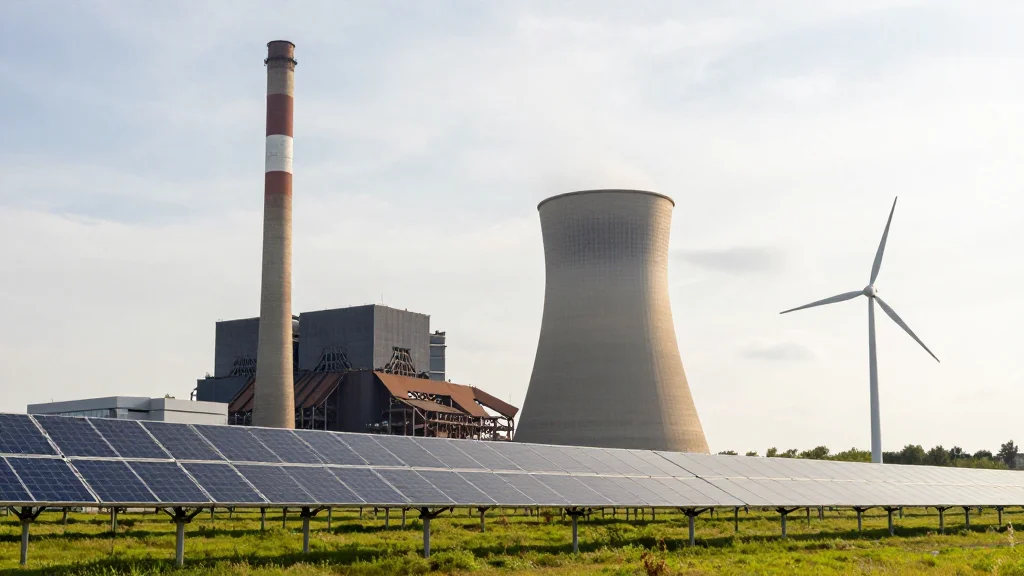
Scientists Ditched a Scary Climate Scenario. What Now?
An international research team has officially retired the high‑emissions climate pathway known as RCP8.5, labeling it implausible given recent declines in coal use and accelerating renewable adoption. The scenario, long‑standing in climate‑impact studies, projected a worst‑case warming trajectory that many policymakers and media outlets cited. Its removal follows the latest emissions‑scenario update, which occurs roughly every seven years, and reflects a shift toward more realistic energy‑mix assumptions. While global warming remains a pressing threat, the change prompts a reassessment of risk estimates that relied on the extreme pathway.
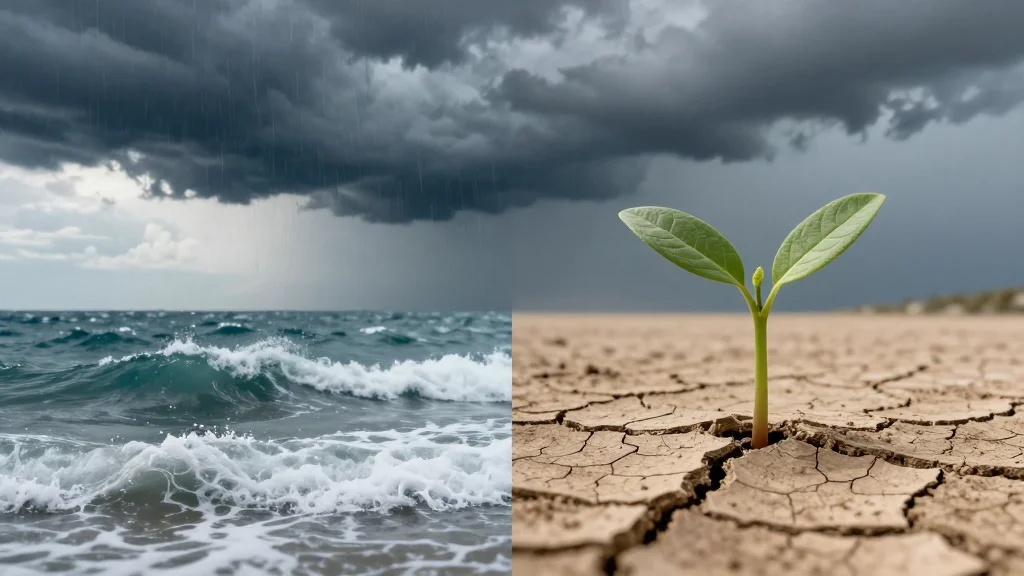
A Strong El Niño Could Be Coming. Countries Are Already Preparing.
A potentially record‑strong El Niño is forming as global temperatures hit historic highs. The climate cycle, which recurs every three to seven years, can bring extreme rainfall to the Americas and severe drought to South and Southeast Asia, southern Africa and...
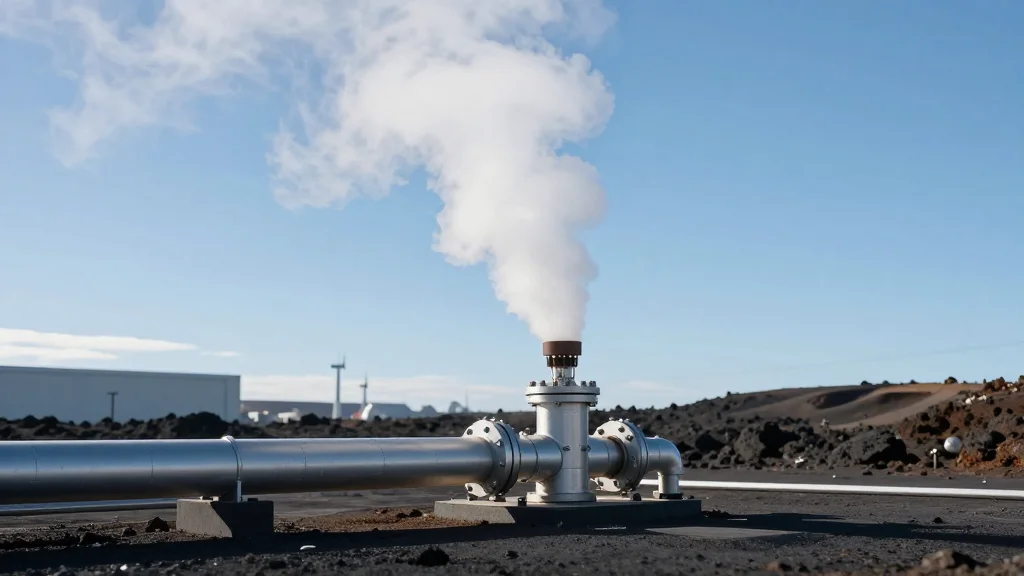
The New ‘Gold Rush’ of Geothermal Energy
Geothermal power is gaining traction as a zero‑emissions energy source. The sector’s visibility surged last week when Houston‑based Fervo Energy went public, raising $1.89 billion in its IPO—the largest clean‑tech offering ever—and achieving a valuation above $10 billion. The IPO signals strong...

Which Countries Are Profiting From the Iran War Oil Shock
The U.S.–Israeli war with Iran has triggered the deepest energy crisis in recent memory, sharply curtailing Persian Gulf output and sending crude prices soaring. Seaborne oil exports outside the Gulf surged, with the United States adding roughly 250 million barrels and...
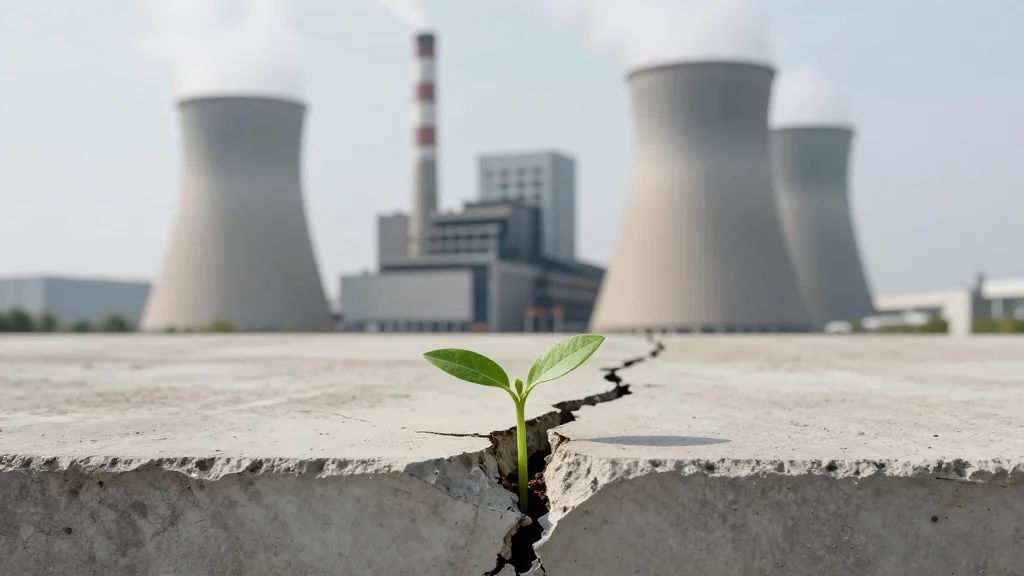
Trump’s Push to Keep Coal Plants Open Is Costing Hundreds of Millions
Since May 2025, the Trump administration has issued a series of 90‑day emergency orders to keep five aging coal‑fired power plants operating beyond their planned shutdown dates. The Energy Department’s directives have already forced the J.H. Campbell plant in Michigan...
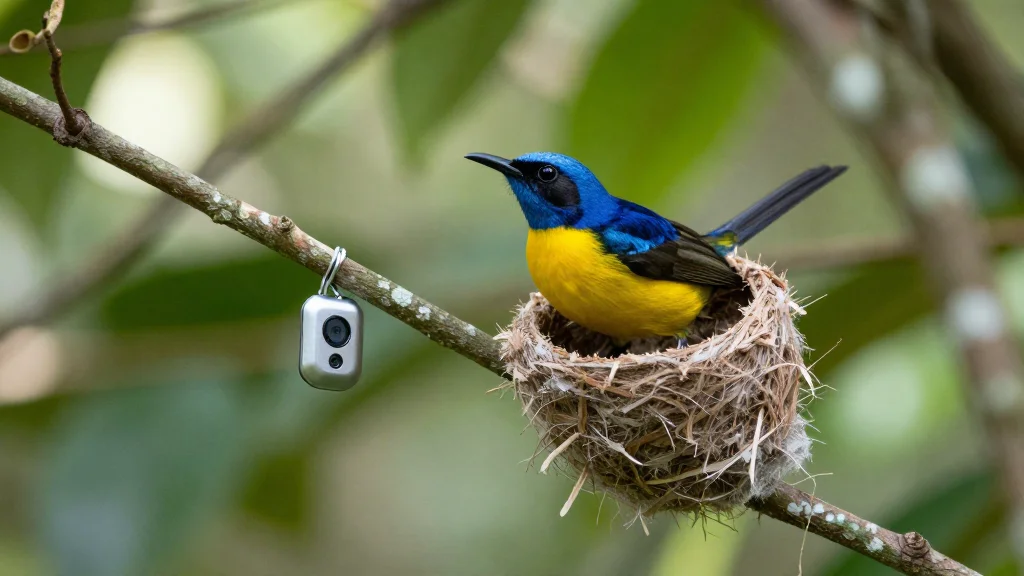
Building Nests Is Hard. That’s Why Some Birds Steal.
Researchers equipped 216 Hawaiian honeycreeper nests with GPS tags and documented 39 cases of nest‑material theft, a behavior termed kleptoparasitism. The study, published in *American Naturalist*, identified three scarlet and golden honeycreeper species stealing twigs and soft lining from both...
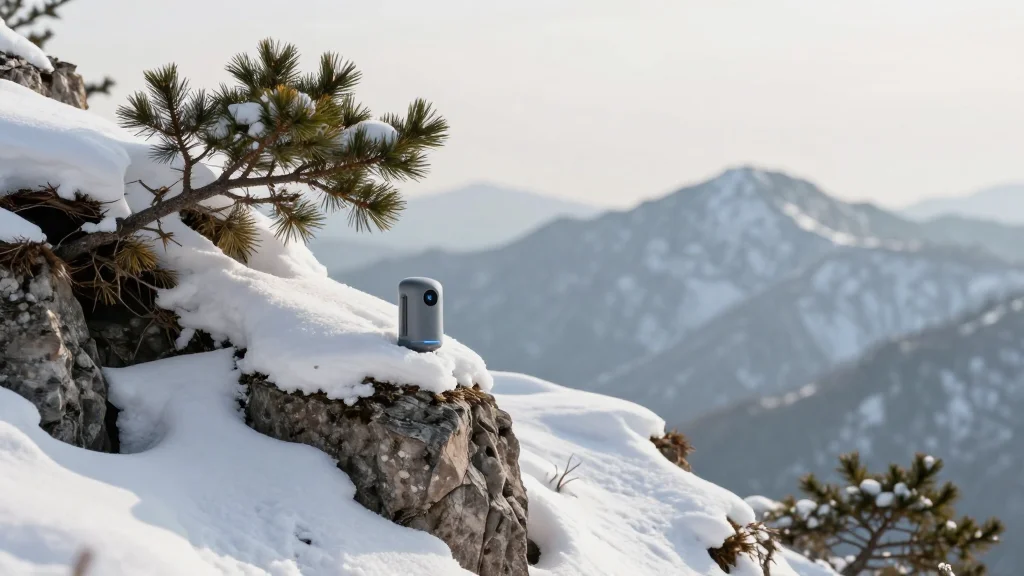
Oregon Prepares for a Challenging Summer of Water Shortages and High Fire Risk
Oregon’s snowpack hit a record low after a warm, rain‑heavy winter, leaving the mountains virtually snow‑free. Fire officials warn that the lack of high‑elevation snow will accelerate the start of the wildfire season and extend its duration. Forecasters predict a...
Trump Nominates Cameron Hamilton to Lead FEMA
President Donald Trump nominated former acting FEMA administrator Cameron Hamilton, a Navy SEAL veteran, to lead the agency permanently. Hamilton previously served a brief stint as acting chief before being removed after testifying that FEMA should not be eliminated. The...
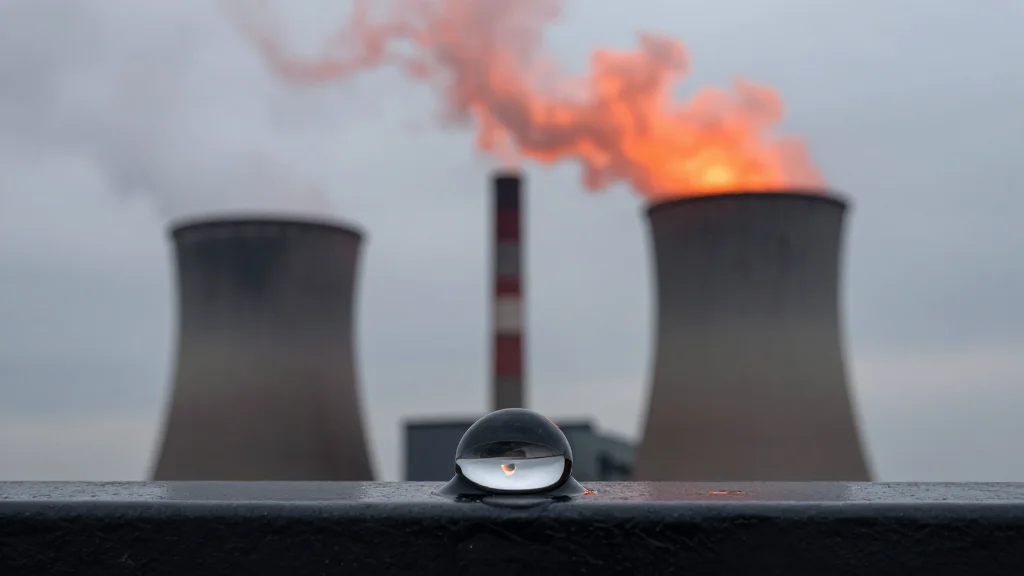
As Coal Rebounds, More Toxic Mercury Is in the Air
Coal‑fired power plants in the United States saw a 9% rise in mercury emissions in 2025, topping 4,800 pounds and ending a multi‑year decline. The increase coincides with a surge in electricity demand and a suite of Trump administration actions that...
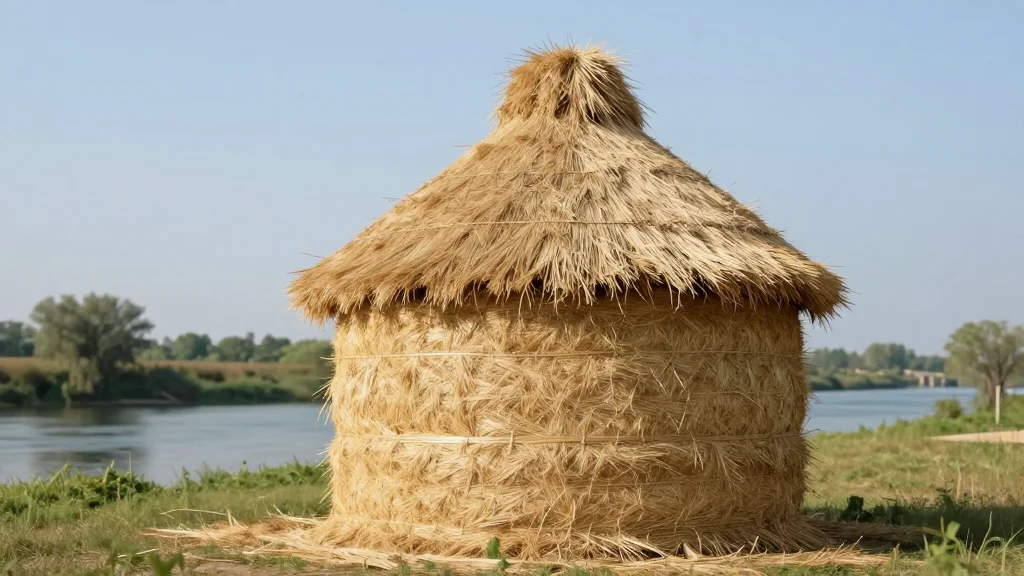
Beware of Wolves, but Straw Houses Could Help With Climate Change
A Princeton University team built a tiny cottage near Hudson, N.Y., using primarily straw—an agricultural byproduct—showcasing a more sustainable alternative to brick and concrete. The structure demonstrates straw’s ability to act as both framing and insulation, sequestering carbon that would...

Greenpeace Suffers Another Blow in Court Fight With Energy Transfer
North Dakota’s Supreme Court issued an anti‑suit injunction that bars Greenpeace International from pursuing its countersuit in the Netherlands against Energy Transfer. The injunction reverses a lower‑court decision and is one of the few instances a U.S. state court has...
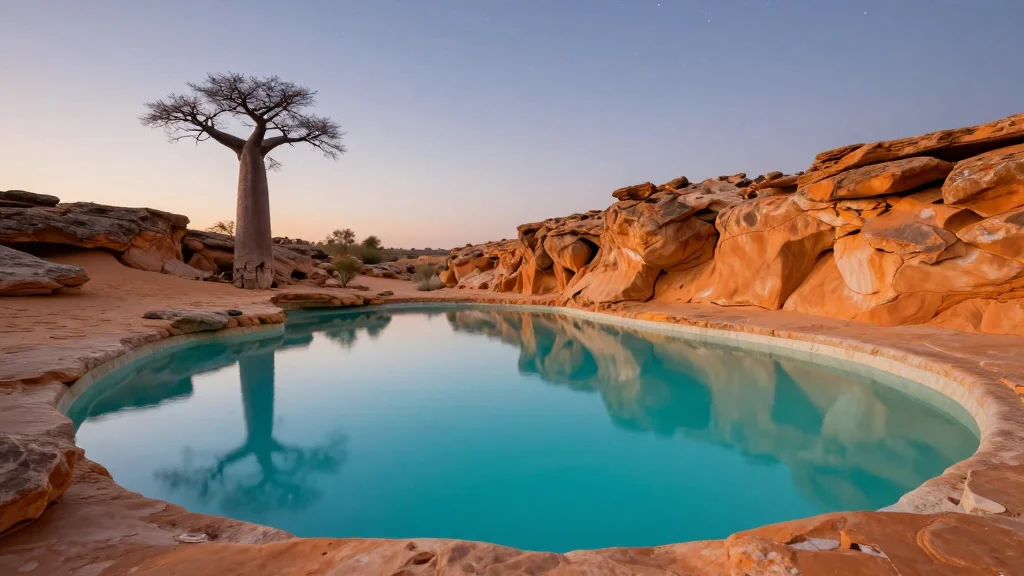
Wild Swimming and Stargazing in Madagascar’s Grand Canyon
Meghan Davidson Ladly’s May 8, 2026 travel piece spotlights Isalo National Park, the "Grand Canyon" of Madagascar. The author describes a hidden turquoise pool fed by an underground stream, inviting wild swimming amid sandstone domes and baobab‑lined savannah. She contrasts the park’s...
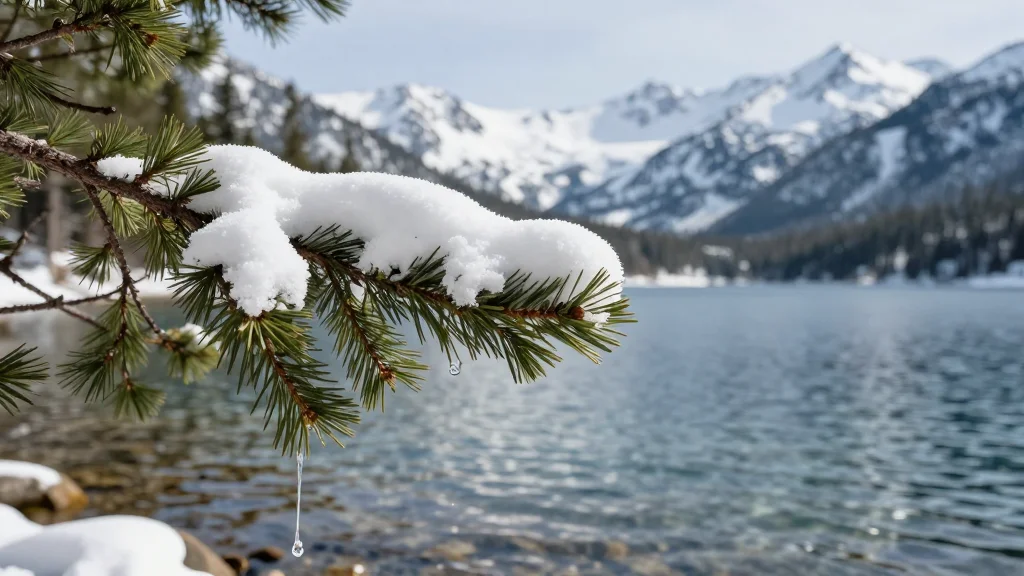
Colorado Snowstorm In May Could Be Its Biggest This Season
A late‑season snowstorm swept the Colorado Rockies in early May, delivering up to a foot of snow in Estes Park and 3‑9 inches in Denver. Meteorologists said it could become the season’s largest storm, potentially eclipsing the March 6 record of 8.5...
Is It Time to Tax the Oil and Gas Industry’s Windfall?
U.S. gas prices have hit four‑year highs as the Iran conflict boosts oil and gas earnings, with BP touting an "exceptional" Q1 and TotalEnergies reporting $5.4 billion in net profit. A coalition of European finance ministers and several U.S. Democrats are...
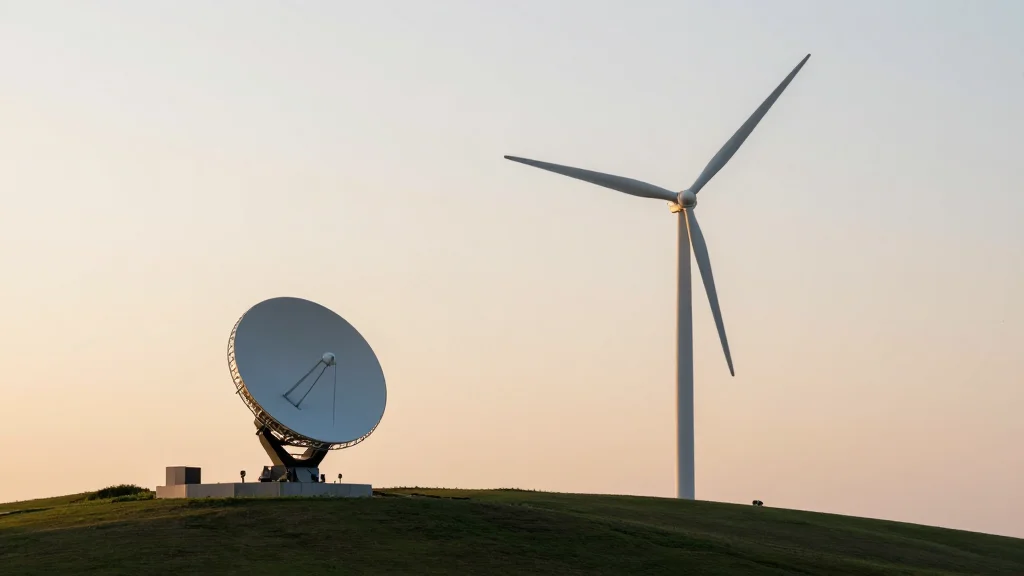
Do Spinning Wind Turbines Really Mess With Radar Systems?
Pentagon officials have paused reviews of 150 onshore wind farms, citing concerns that turbine structures can interfere with military and civilian radar. Studies spanning more than a decade confirm that steel towers reflect radar waves and rotating blades create false...