
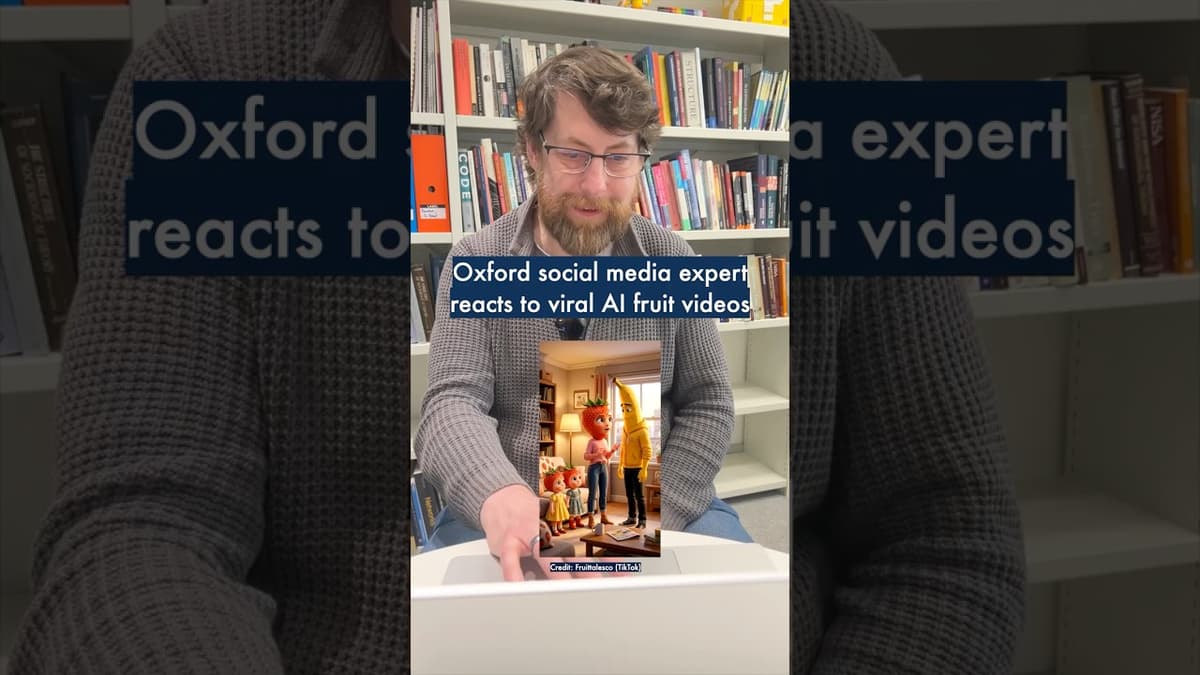
Oxford Social Media Expert Reacts to Viral Al Fruit Videos 🍎🍌 #OxfordUniversity
Oxford associate professor Bernie Hogan examines the viral “AI fruit” TikTok clips, arguing that their obvious AI‑generated flaws are central to their appeal. He explains that viewers instantly recognize the mismatched proportions and jump cuts, yet this “messiness” feels charming and harmless, fitting the platform’s short‑form, scroll‑driven environment. Hogan notes that the videos’ simple tropes—talking bananas, cucumbers, and bright colors—grab attention within seconds, a crucial metric on TikTok. The low production cost and ability to mimic high‑budget aesthetics, despite occasional glitches, make AI‑slop an efficient content factory. “Part of the way the audience gets to see, I know that it’s AI… that messiness creates a kind of charm,” Hogan says, emphasizing that authenticity emerges from imperfection. He warns that this format may become the norm, as AI can churn out predictable yet novel clips at scale. If brands adopt AI‑generated slop, marketing budgets could shrink while reach expands, reshaping how media is created and consumed. Creators must balance novelty with authenticity to retain audience trust in an increasingly automated landscape.
Oxford Vaccine Expert Explains Hantavirus in Under 90 Seconds #OxfordUniversity
Oxford virologist Tess explains the current hantavirus outbreak aboard a cruise ship, identifying the culprit as the Andes virus, a strain native to the Americas. She distinguishes two major hantavirus groups: Asian/European variants that damage kidneys, and North/South American strains that...
How Al Could Increase Your Salary - Oxford Expert Explains 💸 #OxfordUniversity
Oxford research lecturer Fabian Stefani explains that artificial intelligence is becoming a salary lever rather than a job threat. His recent analysis of UK job adverts shows a 23% wage premium for candidates who list AI competencies, outpacing the roughly 20%...
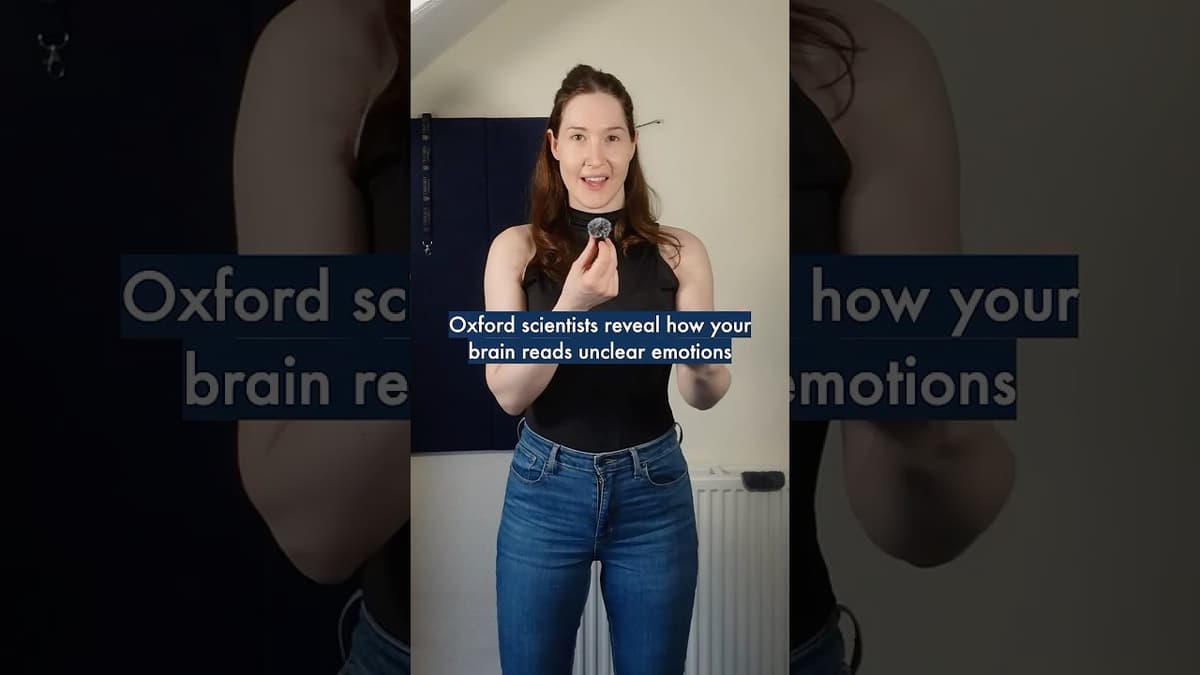
Oxford Scientists Reveal How Your Brain Reads Unclear Emotions 👀🧠
The video reports Oxford researchers demonstrating that the amygdala directly influences how humans read ambiguous emotional cues, using transcranial ultrasound stimulation (TUS) to modulate its activity. In the experiment, participants received focused ultrasound targeting the deep amygdala, which temporarily altered neural...
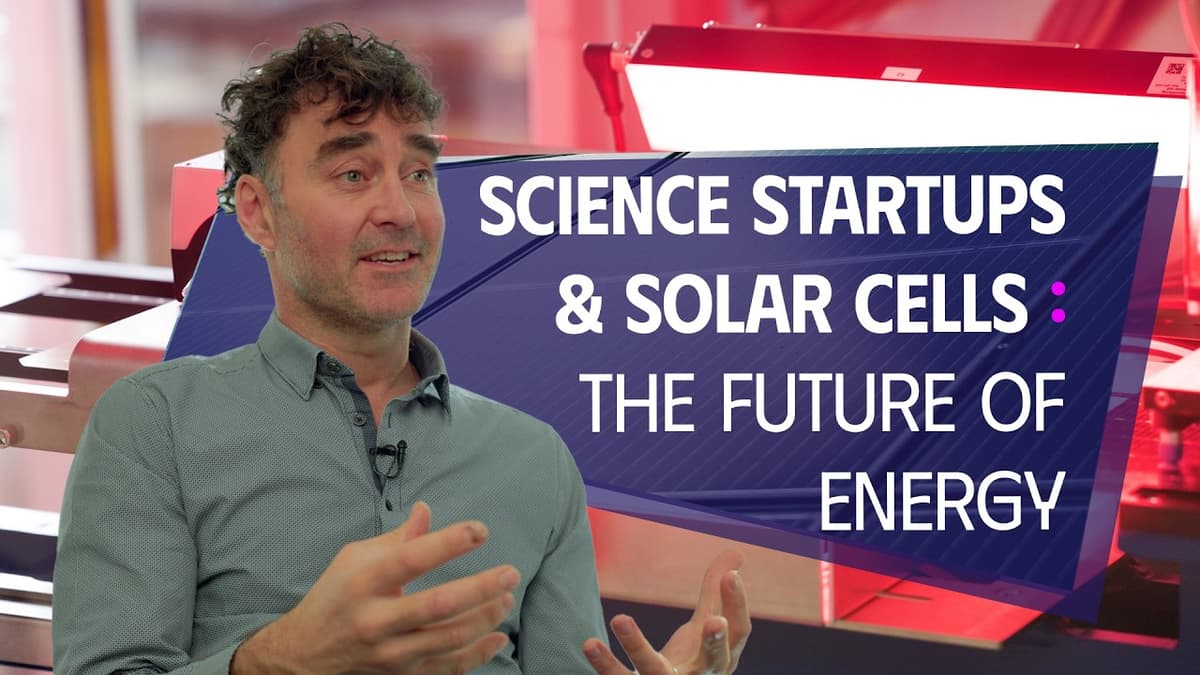
Science Startups and Solar Cells: Perovskites and the Future of Energy
The video outlines how perovskite photovoltaics are emerging as a disruptive alternative to silicon, with a startup that has moved the technology from lab‑scale breakthroughs to a pilot production line in Germany. After early lab efficiencies jumped to 6%—well above the...
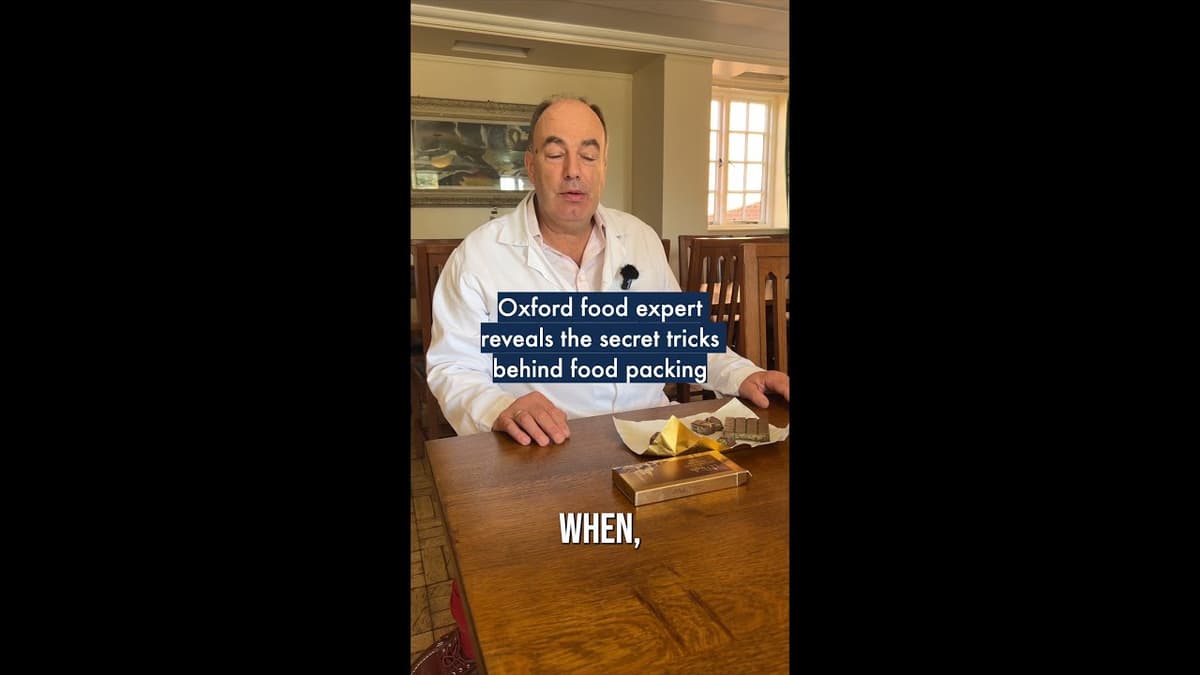
Oxford Food Expert Reveals the Secret Tricks Behind Food Packing 🍫 #OxfordUniversity
Oxford food expert emphasizes that packaging is a decisive, often ignored factor shaping consumer perception. While product flavor and shelf life dominate development, subtle cues such as weight, color, and sound can dramatically alter how a product is experienced. Research cited...
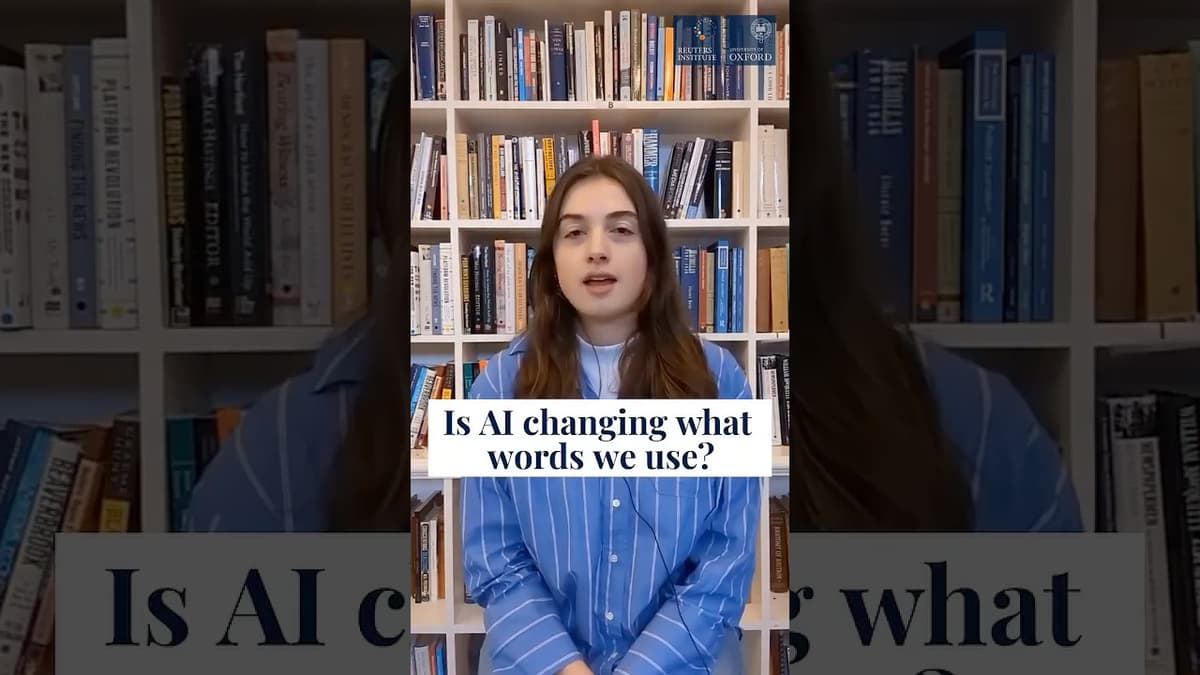
Is AI Changing What Words We Use
The video examines whether large‑language models are reshaping everyday English, focusing on a handful of “AI‑buzz” words such as “delve,” “nuance” and “navigate.” Researchers confirm LLMs use these polished terms disproportionately, and recent corpora show a parallel rise in human writers’...

Oxford Economist Explains How to Spot a Recession Coming 👀 #OxfordUniversity
An Oxford economist breaks down what constitutes a recession and why traditional GDP figures are too slow to guide policy. He defines a recession as a decline in gross domestic product that erodes national income, and notes that official GDP...

Oxford Maths Professor on Cat Eyes 👀🐈⬛
An Oxford mathematics professor explains why a cat’s eyes appear to glow in photographs and how that natural phenomenon translates into everyday technology. He describes the tapetum lucidum, a reflective tissue behind the retina that sends incoming light back through...

Oxford Physicist Explains Viral Artemis II vs Apollo 17 Earth Image Comparison 🌎
Dr. Kali Howitt, an Oxford associate professor of space instrumentation, walks viewers through a side‑by‑side comparison of an Artemis II night‑side Earth photograph and the iconic Apollo 17 daylight shot from the 1970s. She explains that the Artemis image has been artificially...

Are Social Media Apps Designed to Be Addictive?
The video examines two landmark U.S. jury verdicts that held Meta and YouTube accountable for embedding addictive design elements into their platforms. The rulings focus on features such as infinite scrolling, push notifications and autoplay, which are engineered to maximize user...

Oxford Study: First Known Dogs Found in Europe and Türkiye - Nearly 16,000 Years Ago 😯
The new study published in Nature leverages ancient DNA to pinpoint the earliest confirmed dogs in Europe and Turkey, dating back roughly 16,000 years at the Punabasha site in Turkey. This pushes the timeline for canine domestication back by at...

Oxford Scientist: How Your Brain Reads Ahead without You Even Realising 📚
Oxford researchers have uncovered how the brain reads ahead, processing not only the word currently fixated but also information from words that lie ahead in the line. Using advanced neuroimaging on adult participants, they demonstrated that the visual system extracts...

British Children Are Growing Taller but Not for the Right Reasons
A new Oxford University study overturns recent headlines that British children are shrinking, showing instead that average stature has risen across England, Wales and Scotland over the past twenty years. The researchers examined hundreds of thousands of annual measurements and found...

‘Theology Speaks to People’s Deepest Questions' - Oxford Students on Studying Theology
Oxford students explain why studying theology matters beyond religious training, emphasizing its role in intellectual rigor and personal growth. They note that theology teaches rigorous critique, empathy, and the ability to engage with competing worldviews, skills they apply in debates and...