

Does a Ticket Resale Price Cap Make Sense?
The video examines Ontario’s newly proposed cap on ticket resale prices, introduced after the World Series ticket‑price backlash, and situates it within the broader legal battle against Live Nation and its Ticketmaster subsidiary, which faces a federal antitrust trial for alleged monopoly power. Brian Barry of the Ticket Policy Forum argues the cap does little to curb primary‑market pricing, instead pushing resale activity onto unregulated, often fraudulent channels. He notes that digital tickets lack visible original‑price information, making compliance practically impossible, and that the measure would concentrate even more power in Ticketmaster’s box‑office system. Barry warns, “What you’re doing is handing even more power to the Live Nation‑Ticketmaster monopoly,” and stresses that the ongoing U.S. trial could deliver a landmark verdict on whether a company can be deemed a monopoly for exploiting market dominance to raise prices. If enacted, the cap could undermine consumer protection while failing to address the root cause—Live Nation’s control over primary ticket pricing—potentially prompting legislators to pursue broader antitrust reforms. The trial’s outcome may set a precedent that reshapes ticketing markets across North America and beyond.

LIVE: Prime Minister Carney Delivers Remarks at the Halifax Chamber of Commerce
Prime Minister Mark Carney addressed the Halifax Chamber of Commerce, outlining Canada’s economic outlook and security priorities. He highlighted a projected 2.2% GDP growth for the 2024 fiscal year and announced additional infrastructure funding aimed at regional development. Carney stressed...

Market Call: Eric Nuttall's Outlook on Energy Stocks (March 26, 2026)
Eric Nuttall, partner at Nine Point Partners, warned that the prolonged closure of the Strait of Hormuz is creating the worst energy crisis of his career, with Middle‑Eastern output down roughly 11 million barrels per day and global inventories already under...

How 'Buy Canadian' Boosting Cottage Boom
The video examines why Canada’s recreational‑real‑estate segment is booming even as residential and commercial markets stall under high borrowing costs and trade‑war fallout. Royal LePage research shows more than half of the roughly one‑million Canadians who own U.S. homes intend to...

Rio Tinto Shifts Focus to Core Commodities
Rio Tinto announced the closure of its last diamond mine, ending more than half‑century in the gemstone sector and confirming a strategic pivot toward its traditional bulk‑metal portfolio. Analysts note the diamond business had become marginal, hampered by synthetic competition and...

Two Big Trade Ideas From Phil Davis
In the latest interview, options strategist Phil Davis outlines two distinct trade ideas – a Nasdaq‑focused hedge using the SQQQ inverse ETF and a long‑oil play on Canadian energy producer Suncor (SU). The SQQQ hedge is built as a call spread:...

Conflicts Can Present 'Long-Term Buying Opportunities for Disciplined Investors': Guenther
The interview with Janine Guenther, portfolio manager at Bellwether Investment Management, centers on how ongoing geopolitical conflicts—specifically the Iran situation—are reshaping market dynamics and investor behavior. Guenther emphasizes that while wars spark short‑term volatility, they also generate dislocations that disciplined...

What's Driving the Surge in Private Credit Withdrawals?
The video examines the wave of retail outflows from private‑credit vehicles, highlighting how marquee managers such as Ares Management and Apollo Global have capped redemptions as cash‑flow pressures mount. Michael Anderson of Citi frames the episode as a test...

Iran Strike Damages 17% of Qatar LNG for 3-5 Years: Reuters
Reuters reported an Iranian missile strike crippled roughly 17% of Qatar’s liquefied natural gas (LNG) output, with repairs expected to span three to five years. The damage centers on the Ras Laffan processing complex, a cornerstone of global LNG supply. The...

High Tide Q1 Beats Revenue Estimates
High Tide Holdings reported a 25% year‑over‑year revenue increase in Q1, surpassing Wall Street forecasts and narrowing its loss margin. CEO Raj Grover highlighted the company’s operational outperformance and the role of its flagship Canak Cabana brand. The surge stems from...

BoC Expects Oil Prices to Push up Inflation in Coming Months
The Bank of Canada left its policy rate at 2.25% on Thursday, a decision driven less by domestic data and more by external shocks, notably the escalation of the Iran‑Israel conflict that has sent crude oil prices soaring. Domestic inflation slipped...

Nvidia Expects to Make $1 Trillion From AI Chips Through 2027
Nvidia announced it expects to generate at least $1 trillion in revenue from its upcoming Blackwell and Reuben AI chips by the end of 2027. The projection, unveiled during a market‑focused interview, sent the stock briefly higher before it settled back,...

Inflation Cools to 1.8% Year-over-Year in February
The video opens with a market update and quickly shifts to an interview with Kim Shannon, co‑chief investment officer at Siona Investment Managers, to discuss Canada’s February inflation reading. Shannon notes that Canada’s consumer‑price index eased to 1.8% year‑over‑year, the lowest...

Market Call: Tony Ciero's Outlook on North American Large Caps (March 13, 2026)
Tony Ciero, vice‑president and senior portfolio manager at Caldwell Securities, fielded investor questions on North American large‑cap equities, focusing on macro‑economic headwinds, sector‑specific dynamics, and individual stock outlooks. He highlighted Canada’s unexpected job losses, arguing that official youth‑unemployment figures miss...

Trading Day for Friday, March 13, 2026
The Trading Day broadcast highlighted a volatile market environment driven by rising energy prices and geopolitical risk. President Donald Trump’s statement that curbing Iran’s nuclear program outweighs oil‑price concerns underscored the tension in the Strait of Hormuz, while Canada reported...

Food Supply Chain Needs 'Reconstructive Surgery': CFIN
The Canadian food‑and‑beverage sector is confronting a perfect storm of disruptions – from pandemic‑era supply shocks to geopolitical tensions such as the war in Iran – that have eroded capital investment, trimmed productivity and pushed consumer food prices higher. Industry...

Canadian Banks on Solid Ground, but Uncertainty Hangs over Outlook
The video reviews the latest earnings season for Canada’s major banks, highlighting a surprisingly robust quarter that outperformed consensus forecasts. Analysts noted that revenue growth was broad‑based, with capital‑markets revenue up 12% year‑over‑year, net‑interest income rising 9%, and fee income...

From Advocacy to Action: A Labour Champion’s Fight for Gender Equity in the Workplace
The video profiles Jenny, an executive director of the Ontario Confederation of University Faculty Associations and a trailblazing labor leader who recently received a YW.CA award for her work advancing gender equity. Her career began in the Canadian Auto...
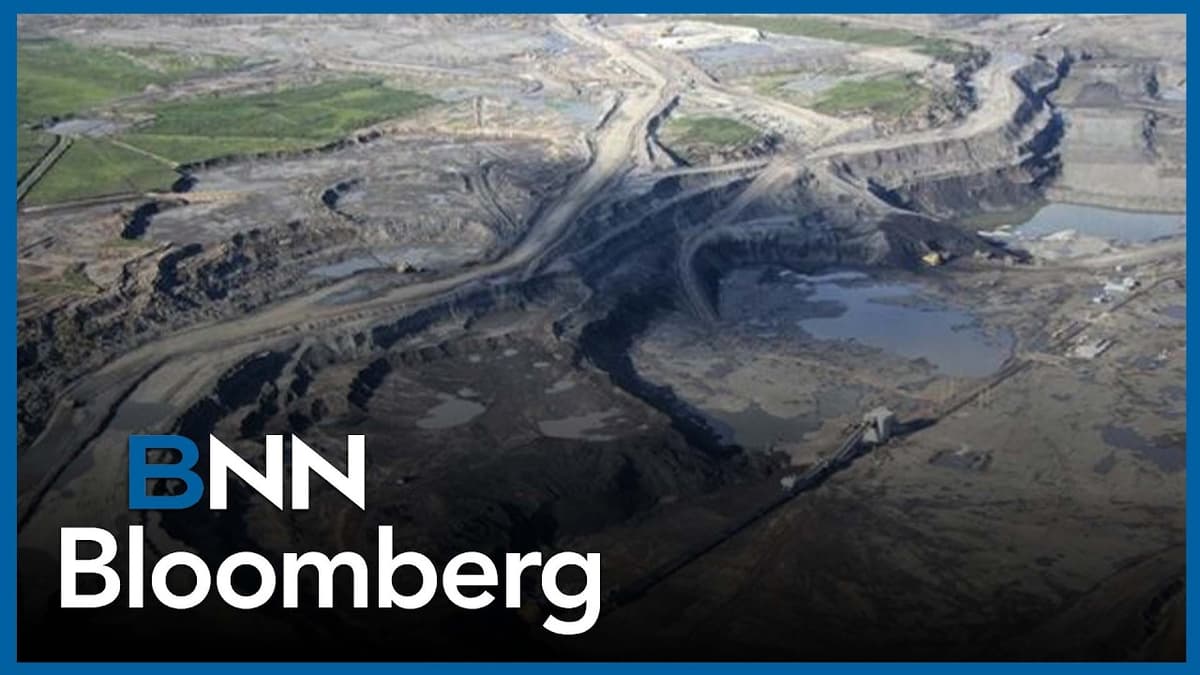
G-7 Ready to Release Oil Reserves if Needed
The discussion centered on the G7 energy ministers’ contemplation of tapping strategic oil reserves to counteract the sharp decline in oil prices sparked by President Donald Trump’s remarks that the Iran‑Israel conflict could soon subside. Analyst Scott Ladner of Horizon Investments...

'The Best Second Option Is Partnering with a Broadcom or Marvell': Ellerbroek on AI Chips
Jed Ellerbroek of Argent Capital Management highlighted the growing pressure on AI chip supply chains and suggested that companies seeking a viable alternative to Nvidia should consider partnering with Broadcom or Marvell. He argued that these firms provide mature design...
More Canadians Choosing ETFs over Mutual Funds
Canadian investors are increasingly favoring exchange‑traded funds (ETFs) over traditional mutual funds, according to Eli Yufest of the Canadian ETF Association on BNN Bloomberg. The shift reflects robust growth in ETF assets, while mutual‑fund inflows have softened for consecutive periods....

Trump Says War in Iran Could Be over 'Very Soon'
Former President Donald Trump told reporters the conflict between the United States and Iran could be resolved "very soon," suggesting a rapid de‑escalation. The comment came amid heightened diplomatic activity and rising concerns over regional stability. Analysts on BNN Bloomberg,...

'It's Still a Name that We Like': Ahmed on Costco Despite Late Q4 Volatility
Shiraz Ahmed, CEO of Sartorial Wealth, reiterated his confidence in Costco during a BNN Bloomberg interview, despite the stock’s volatility in the fourth quarter. He highlighted Costco’s durable business model, strong membership base, and consistent same‑store sales growth. Ahmed noted...

'Don't Make Kneejerk Reaction on Any Type of Headline News': Headland
Kevin Headland, co‑chief investment strategist at Manulife Investments, told BNN Bloomberg that investors should resist knee‑jerk reactions to headline news, especially amid heightened geopolitical uncertainty. He emphasized a disciplined, long‑term portfolio approach rooted in fundamentals rather than short‑term market noise....

Stay22 Announces $122 Million Growth Capital
Stay22 disclosed a $122 million growth‑capital round, positioning the company for rapid expansion beyond its core travel‑booking map service. CEO Andrew Lockhead outlined the funding’s purpose on BNN Bloomberg, emphasizing product innovation, geographic reach, and entry into adjacent markets such as...
The Close for Monday, Feb. 9, 2026
BNN Bloomberg’s daily "Close" broadcast wraps up the trading day with a concise overview of market movements, corporate news, and economic developments, focusing on Canadian equities and broader North American trends. The program blends live ticker data, expert guest commentary,...

Berman's Call for Monday, Mar. 9, 2026
Larry Berman hosts a weekly "Berman's Call" on BNN Bloomberg, fielding live questions and emails from viewers about market‑making dynamics and hot‑stock technical analysis. The segment, aired every Monday, offers real‑time commentary and actionable insights for Canadian investors. BNN Bloomberg...

Morning Markets for Thursday, Mar. 5, 2026
Canadian equities showed mixed strength in early trading as Maple Leaf Foods jumped about 6% after fourth-quarter profit and revenue topped estimates, driven by its pork spinoff and stronger prepared foods and poultry sales. Canadian Natural Resources beat estimates on...

'The Markets Are Fine but the Gyrations Under the Hood Have Become a Bit Unnerving': Basinger
The interview with Craig Bassinger, Chief Market Strategist at Purpose Investments, centered on how AI‑driven hype is unsettling equity markets despite the S&P 500 hovering near all‑time highs. Bassinger warned that headlines suggesting AI will upend industries—from wealth services to trucking—have sparked...
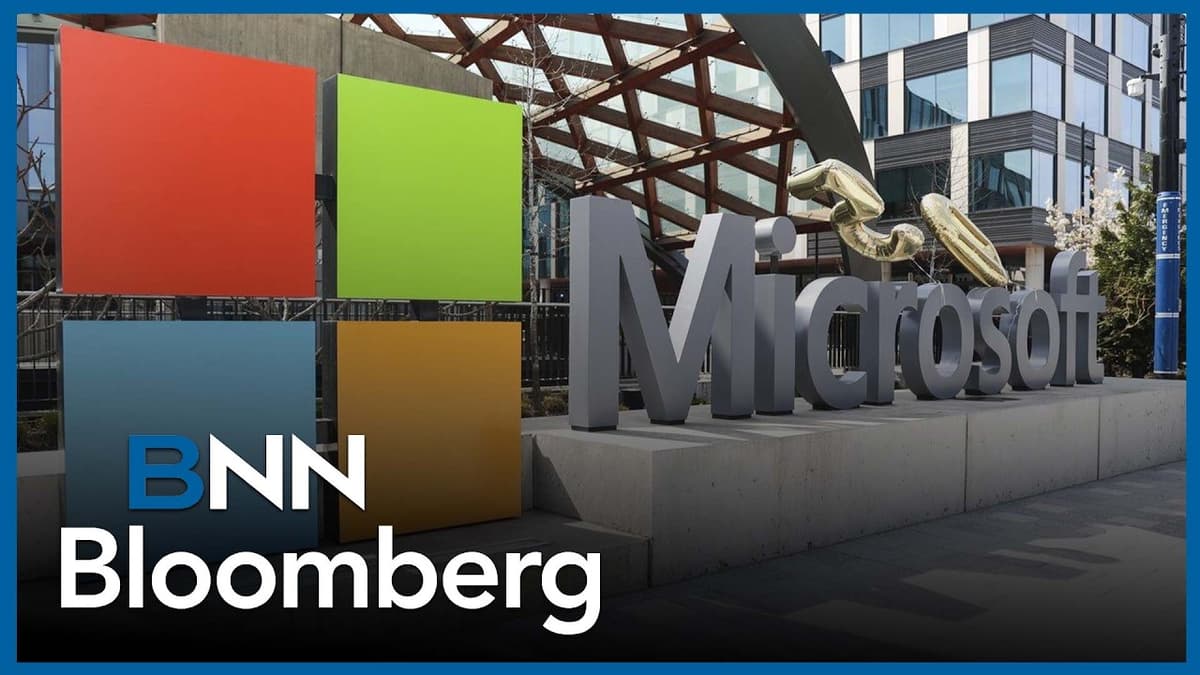
Microsoft Investing Into 'Infrastructure to Make Sure Their Business Stays Competitive': O'Connell
John O'Connell, chairman and CEO of Davis Ray, used the interview to highlight Microsoft’s aggressive infrastructure spending as a defensive moat against the AI‑driven market panic. He argued that while headlines warn AI will render traditional software obsolete, Microsoft, Amazon and...
The Close for Wednesday, Feb. 18, 2026
The Close segment recapped the day’s market outlook, highlighting upcoming earnings from RioCam and IA Financial, a slump in Canadian housing prices, Japan’s $36 bn investment in U.S. energy and minerals, Berkshire Hathaway’s portfolio shift, and General Motors’ $63 m Oshawa plant...

IA Financial Tumbles on Q4 EPS Miss
IA Financial’s shares tumbled after the insurer reported fourth‑quarter core earnings per share that fell short of analyst expectations, prompting a sharp market reaction. The company’s president and CEO Denis Ricard appeared on a call to contextualize the miss, emphasizing that...

RioCan Sees Rising Demand From Leading Retailers
RioCan reported a fourth‑quarter profit increase despite lower revenue, citing a surge in demand from leading retailers for its open‑air, necessity‑based shopping centres. CEO Jonathan Gitlin highlighted that Canada’s retail landscape remains robust, with limited supply of well‑located space driving a...
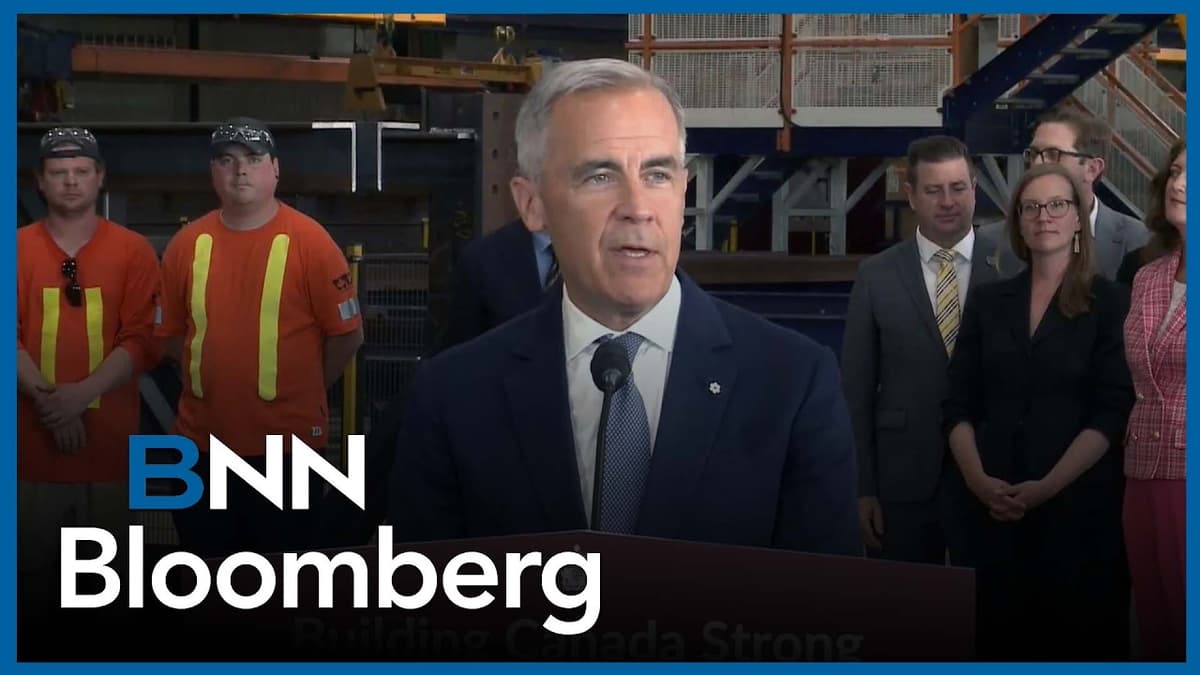
'New Canadian Government Has Really Taken the Opportunity to Focus on Areas We Can Control': Bai
The interview with John Bay, CIO of NEI Investments, centered on today’s market rally, a 3% oil price jump, and the broader impact of geopolitical tensions on North‑American equities. Bay linked the oil surge to stalled Russia‑Ukraine talks and heightened U.S.–Iran...
'This Is a Global Bull Market, and We Don't Think It's Going to End Any Time Soon': Detrick
Ryan Detrick, chief market strategist at Carson Group, told viewers that the S&P 500 is poised for double‑digit gains this year, underscoring a broader belief that the current rally is part of a global bull market that shows no signs of...

Bullish on AI, Realistic on Timing
The Money Talk podcast episode centered on the timing of artificial‑intelligence’s economic payoff, with TD Epic’s Kevin Hebner and TD Asset Management’s Michael Craig arguing that the promised profit surge is a long‑term story, likely beyond 2030, rather than an...

The Open for Wednesday, Feb. 18, 2026
The Open opened with a roundup of market‑moving headlines: the U.S. Department of Justice reaffirmed its veto on Northern Dynasty Minerals’ Pebble mine in Alaska, Berkshire Hathaway trimmed its Apple holding by just over 4% while committing more than $350 million...
Mining Sector Dominates TSX Venture 50
The TSX Venture 50, an annual ranking of the exchange’s top performers, revealed a striking concentration of junior mining firms this year, with 51 companies sharing the spotlight due to a tie at the 50th spot. The list showcased...

TFI Q4 Revenue Misses on Weak Freight Demand
Shares of TFI International slipped after reporting a Q4 revenue decline, reflecting a freight market that has been in a slump for roughly three and a half years—far longer than the typical 18‑month cycle. The company, however, said operating...

Is the Newmont Rally Running Out of Steam?
The TD Active Trader Live segment centered on Newmont Corporation, the world’s largest gold miner, debating whether its recent rally is losing momentum as gold prices plateau. The hosts framed the discussion against a backdrop of a softer S&P 500, upcoming Fed...
'Microsoft It Going to Actually Be a Benefactor of the Whole AI Movement': Portfolio Manager
The interview centers on Microsoft’s role in the AI wave, positioning it as a primary beneficiary both in product enhancement and internal efficiency. Portfolio manager Don Nesbet highlights that while the broader software sector faces AI‑related volatility, Microsoft’s massive customer...
Are Tighter Credit Spreads a Concern?
In a recent interview, JP Morgan Asset Management’s fixed‑income strategist Cheyenne Hussein addressed whether tighter credit spreads pose a risk to the U.S. bond market. The conversation was prompted by a strong jobs report and centered on how the data reshapes...