
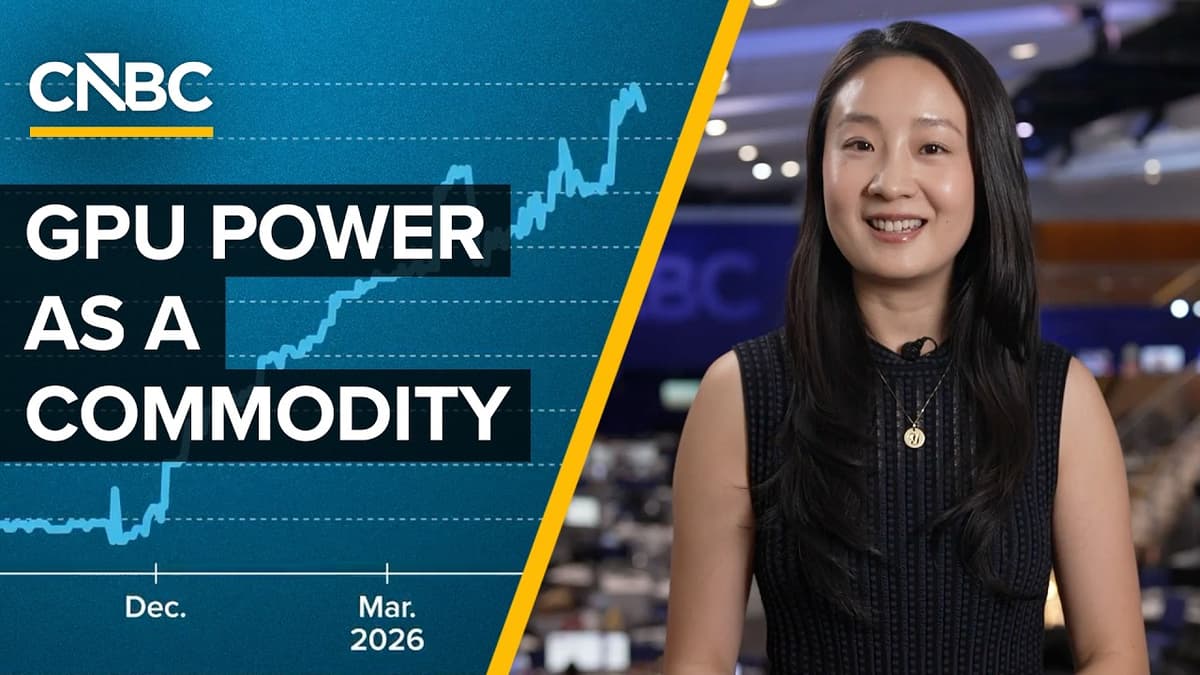
Can AI Compute Become The Next Big Futures Market?
The video explores the concept of treating AI compute—primarily GPU rental capacity—as a tradable commodity, similar to oil futures. Silicon Data, a startup that monitors real‑time GPU pricing, has teamed with CME Group to design a futures contract that would let market participants lock in compute costs months in advance. The push stems from extreme price swings in cloud‑based GPU rentals, which can jeopardize budgeting for firms that spend billions training models. By creating a benchmark index—currently anchored to Nvidia’s H100 chip—Silicon Data aims to provide transparent pricing and a hedging mechanism for both heavy users and providers. CEO Carmen Li emphasizes that without such a market, enterprises either accept volatile spot rates or bind themselves to long‑term, inflexible cloud contracts. The proposed contract would involve long positions (users) and short positions (providers), with speculators adding liquidity and aiding price discovery. If approved, AI compute futures could become a critical risk‑management tool, influencing cloud‑provider negotiations, hardware production planning, and investor exposure to the AI boom. However, regulatory clearance, contract standardization, and sufficient market depth remain significant hurdles.

Why KFC Has Fallen Behind In The U.S.
KFC is rolling out a sweeping US turnaround plan that adds bold menu items, a refreshed brand identity, and a next‑generation restaurant design. The effort comes as the chain has slipped to fourth place in U.S. chicken fast‑food market share...
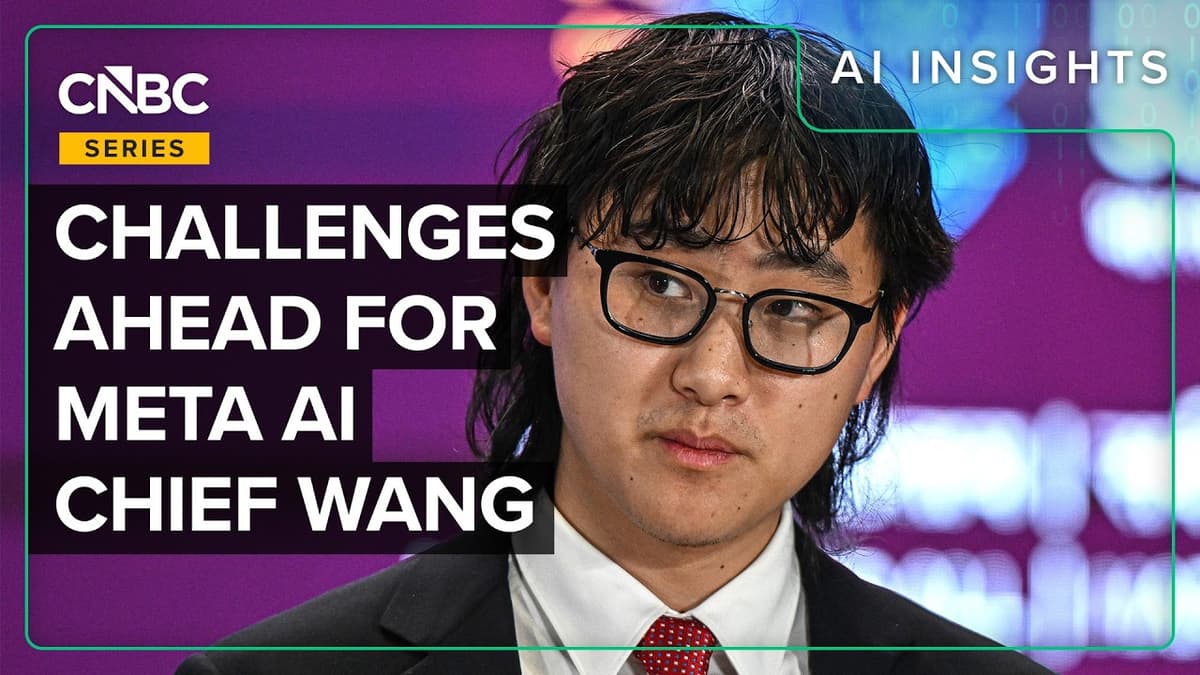
Big Challenges Ahead For Meta AI Chief Alexandr Wang After A Rocky First Year
Meta’s newly appointed chief AI officer, Alexandr Wang, is confronting a tough second year after a rocky debut marked by a lackluster Llama 4 release and a 19% share decline. Wang has steered the lab away from open‑source models toward proprietary offerings,...

Trump Family Earned $500M From Crypto Deal While Investors Took Losses
The video details a controversial crypto transaction in which Donald Jr. and Eric Trump fronted a $750 million token sale for World Liberty Financial, a Trump‑co‑founded firm, while investors poured money into the little‑known company ALT5 Sigma. ALT5 Sigma raised $750 million from hedge...

How A ‘Disciplined’ Auto Industry Squeezed Consumers
The video explains how the U.S. auto industry has deliberately shifted toward high‑margin, higher‑priced vehicles, selling fewer units while boosting profitability. This disciplined strategy, intensified by pandemic‑induced supply shocks, has pushed many consumers into a tighter used‑car market that will...

How Harry's Owner Is Taking On Procter & Gamble
The video examines how Mammoth Brands, the parent of Harry’s, is reshaping the consumer‑packaged‑goods (CPG) landscape by launching direct‑to‑consumer (DTC) products and then moving them into brick‑and‑mortar stores, positioning itself as a challenger to legacy giants like Procter & Gamble. Mammoth’s...

The AI Rollup Wave Transforming Main Street
The video outlines a new investment play called the “AI rollup,” where venture‑capital powerhouses such as General Catalyst, Andreessen Horowitz, and Lightspeed are buying traditional, labor‑intensive service firms—property managers, accounting shops, insurance agencies—and rebuilding them around proprietary artificial‑intelligence platforms. The strategy...
Why More Americans Are Unemployed For Longer
The video highlights a surge in long‑term unemployment in the United States, with 1.8 million workers—about a quarter of the jobless pool—still out of work after 27 weeks. That figure represents a 55 % jump from 2023 and a 45 % increase since...
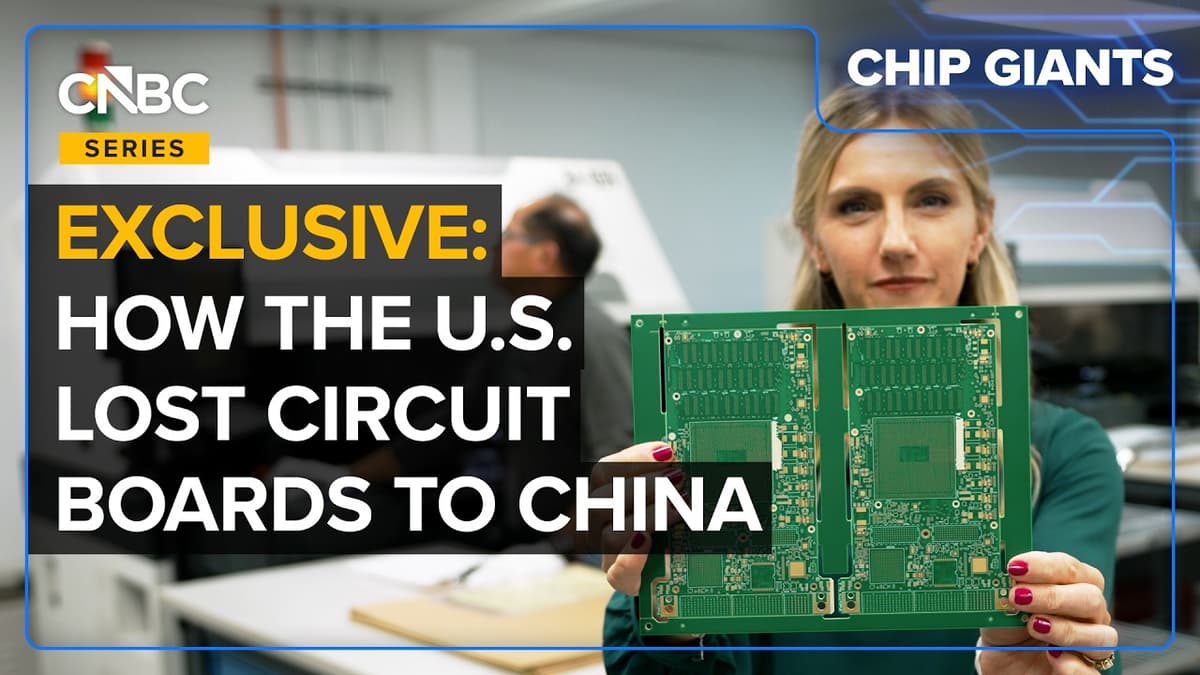
U.S. Confronts The Hidden Risk Of Chinese Circuit Boards Fundamental To AI Chips
The video examines how the United States depends on Chinese‑made printed circuit boards (PCBs) for everything from iPhones to Nvidia AI servers, and why that reliance is now a national‑security concern as AI and defense demand explode. U.S. PCB production has...

How Kalshi and Polymarket Are Trying to Copy the Crypto Playbook
The video examines how prediction‑market platforms are moving beyond political or sports bets to adopt crypto‑style perpetual futures. PolyMarket announced the rollout of PERPs—contracts without a fixed expiry—while rival Kalshi is reportedly preparing its own crypto‑trading suite, including similar perpetual...

How the Iran War Is Disrupting the Global Supply Chain
The video examines how the Iran‑Houthi war in the Strait of Hormuz is reverberating through global supply chains, using Gentel, a $270 million medical‑supplies distributor in Pennsylvania, as a case study. Since the conflict began, Gentel reports raw‑material prices have jumped up...

Why Trump Is Pushing Psychedelics To Treat Mental Illness
The video explains that on April 18 the Trump administration issued an executive order granting priority FDA review vouchers to three psychedelic‑focused drug companies, aiming to accelerate approval of treatments for serious mental illness. The vouchers went to two psilocybin developers...
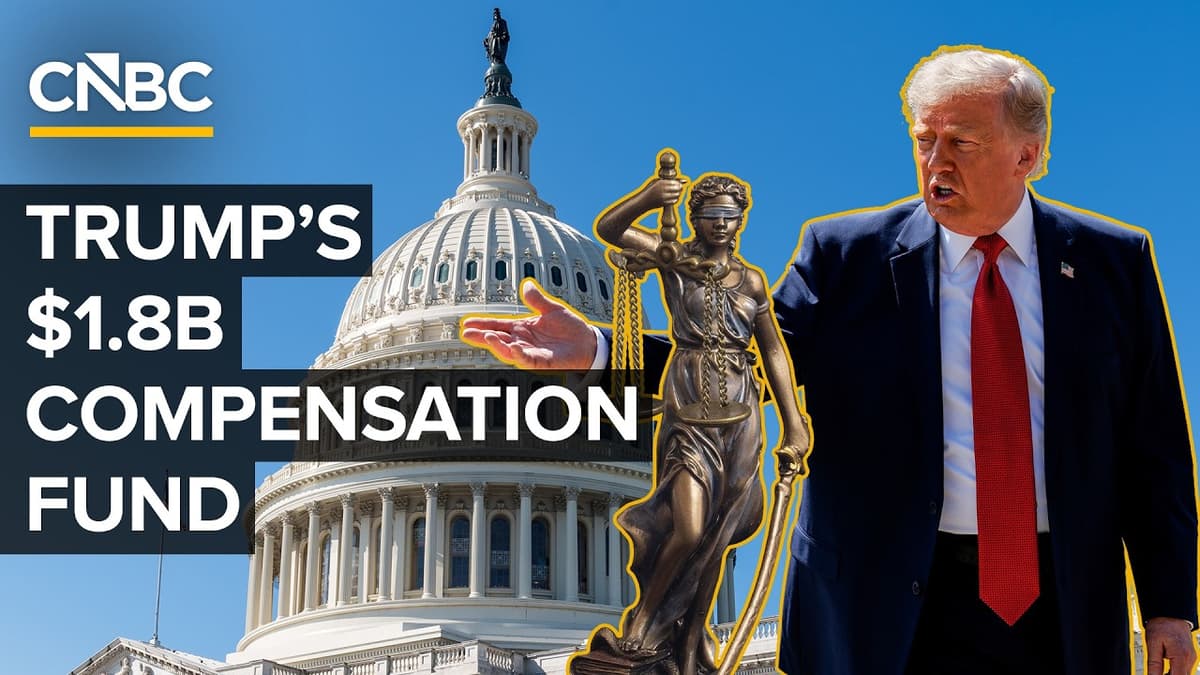
How Trump’s Taxpayer-Funded $1.8 Billion ‘Anti-Weaponization’ Fund Works
The Justice Department announced a $1.776 billion “Anti‑Weaponization Fund,” created as part of a settlement that required President Donald Trump, his sons and the Trump Organization to drop a $10 billion lawsuit against the IRS over leaked tax returns. The money comes from...

Tokens Or Humans? The New AI Cost Trade-Off Reshaping Corporate Budgets
CFOs are now measuring AI spending against the cost of hiring, noting that enterprise AI budgets can be depleted within weeks. CEOs Arvind Jain of Glean and Matan Grinberg of Factory AI explain how Fortune 500 customers are confronting a...

The Problem with AI Demand
The video highlights a broken AI demand signal: companies are burning through tokens faster than they can budget, and only Anthropic is pricing AI based on real consumption. This mismatch threatens the sustainability of the current AI spending cycle. Tokens are...