The Stoic Secret to Handling Anything | Kyle Carpenter
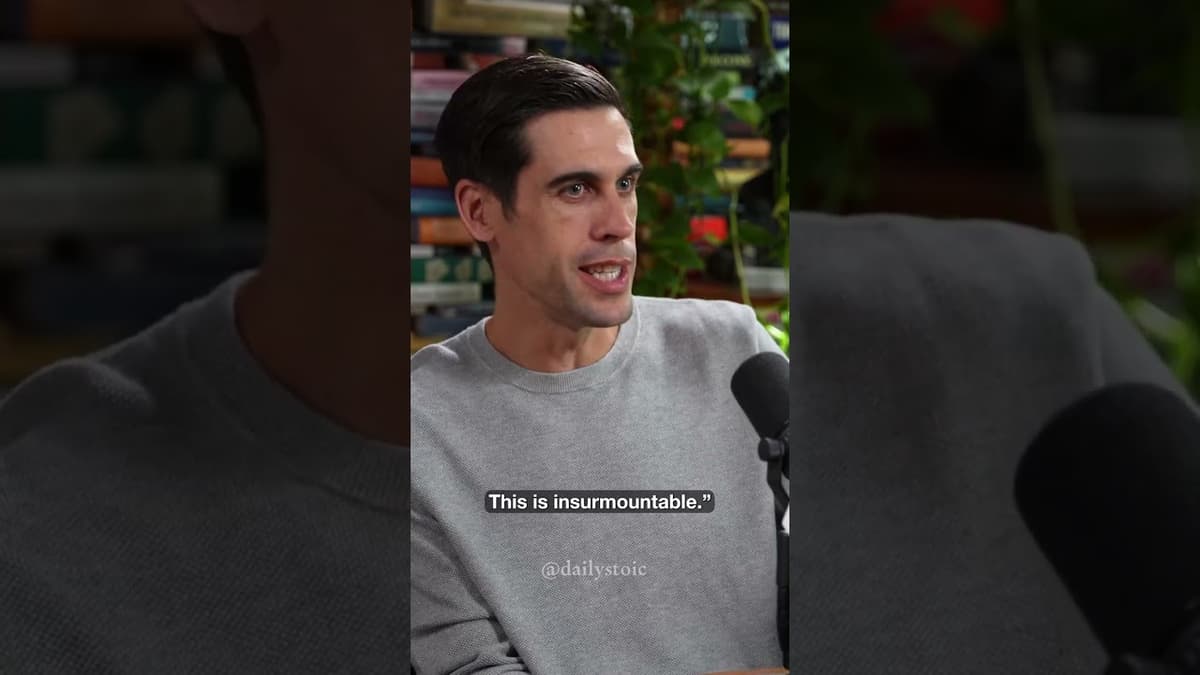
The video explores a Stoic technique for navigating any circumstance, anchored in the teachings of Epictetus, the enslaved philosopher who survived brutal torture. He argued that every event offers two “handles”—the mental levers we use to label it as either a blessing or a curse. Carpenter explains that the first handle we choose shapes every subsequent reaction. A pessimistic handle breeds self‑fulfilling prophecies of defeat, while an unrealistically optimistic one—like “I’ll be home by Christmas”—ignores reality and sets us up for disappointment. The optimal approach blends hope with gritty resolve, acknowledging hardship while refusing to quit. The speaker cites Epictetus’s broken leg and Vietnam POWs who clung to hopeful narratives, illustrating how stories dictate endurance. He stresses that the “right” handle is neither blind optimism nor fatalism but a purposeful, determined mindset. For executives and entrepreneurs, this Stoic lens translates into clearer decision‑making, stronger team morale, and sustained performance under pressure. By consciously selecting the constructive handle, leaders can turn adversity into a catalyst for growth.
How Marcus Aurelius Dealt with a World Full of Jerks
The video revisits Marcus Aurelius’s *Meditations*—a private, 2,000‑year‑old journal of the Roman emperor—to illustrate how Stoic philosophy tackles today’s pervasive “jerk” culture. Aurelius repeatedly confronts dishonest courtiers, demagogues, and fraudsters, using those encounters as tests of his character rather than...
Why You Care Too Much About What People Think
The video explores why individuals habitually let external judgment dictate their choices, despite knowing themselves better than anyone else. It argues that social approval functions like a weather vane, steering preferences and life directions. The speaker cites Cyril Connolly’s hyperbolic claim that...

Why Meditations Still Matters Today
The video highlights Marcus Aurelius’s *Meditations*, a collection of private Stoic reflections written nearly two millennia ago, and argues that its lessons remain strikingly applicable to contemporary life. Aurelius cautions against the corrupting influence of power, stresses personal values, and offers...
We Control How We Respond To Other People
The video centers on a timeless Stoic lesson: we cannot dictate others’ behavior, but we can choose how we respond. It stresses that people act according to their own motives, and any attempt to control them is futile. The speaker urges...
How To Discard The Junk In Your Mind
The video explores a passage from Marcus Aurelius’ Meditations, portraying the Roman emperor not as an untouchable ruler but as a deeply anxious, frustrated human seeking calm. It frames his advice on mental clarity as a timeless strategy for anyone...
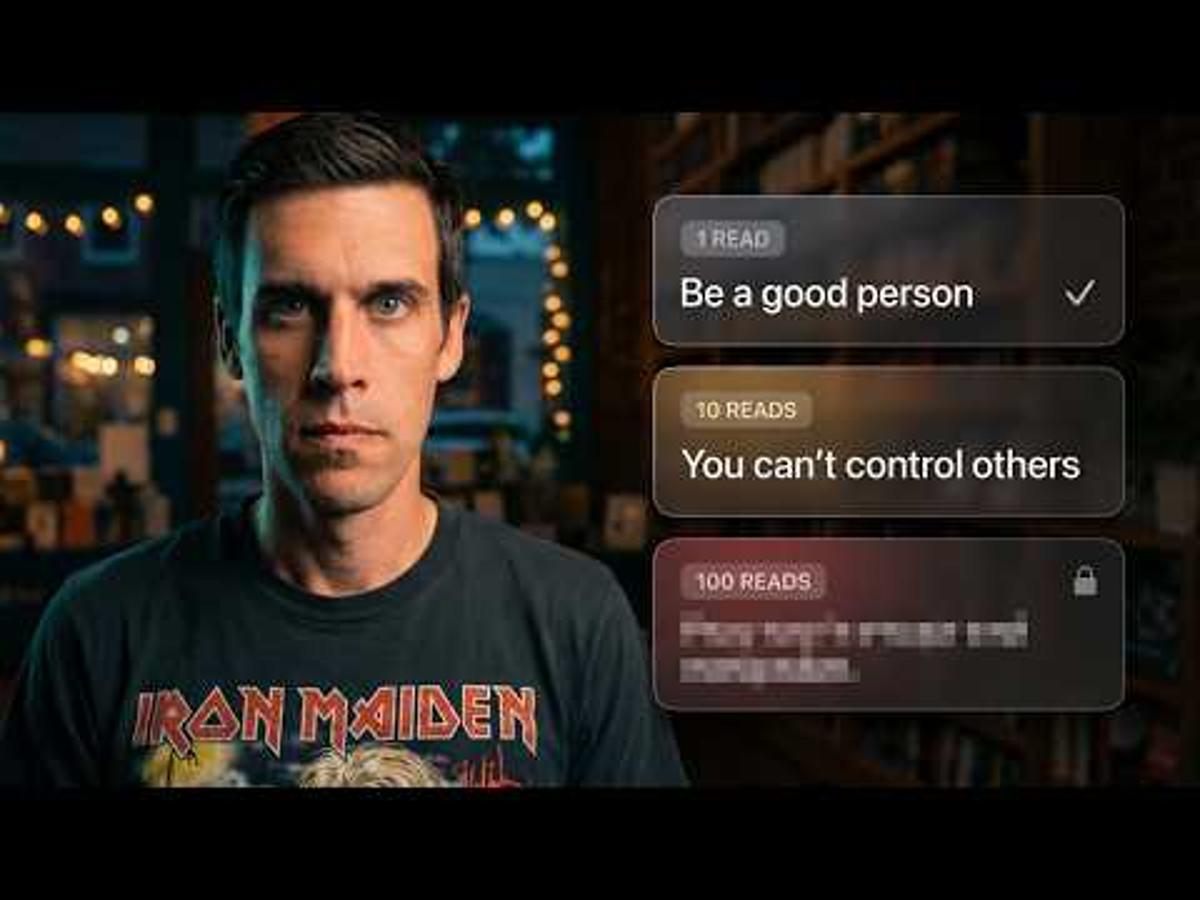
40 Hidden Lessons From Marcus Aurelius' Meditations
The video delves into the often‑overlooked lessons of Marcus Aurelius’ *Meditations*, arguing that the work’s power lies not in its historical prestige but in the personal, unfinished dialogue the emperor recorded for himself. It highlights how Marcus never claimed the...
What Lincoln’s Last Joke Teaches Us About Stoicism
The video examines one of Abraham Lincoln’s final jokes—a man repeatedly asking for increasingly modest jobs, ending with a request for a pair of pants in Lincoln’s office—and frames it as a lesson in stoic humility. The narrator argues that the...
Even Marcus Aurelius Chose the Hard Way
The video examines how Roman emperor Marcus Aurelius, despite absolute authority, deliberately sought discomfort to sharpen his character, using the Stoic text Meditations as evidence. Aurelius recognized that his left hand was “useless” without practice and used it as a daily...
This Will Change How You See Everything
The video interprets a passage from Marcus Aurelius’s *Meditations*, highlighting the Roman emperor’s stoic practice of de‑constructing the allure of wealth, comfort, and status. By recalling vivid images—roasted meat as dead animal, fine wine as mere grape juice—the philosopher reminds...
If You Have to Say It, It’s Already a Problem
The video tackles a subtle but pervasive communication flaw: the habit of announcing honesty before delivering it. Drawing on Marcus Aurelius’s Meditations, the speaker highlights how phrases like “I’ll be honest with you” betray an underlying assumption that honesty is...

The Best Passages From Marcus Aurelius' Meditations Read by Ryan Holiday
The video features Ryan Holiday reading his favorite passages from Marcus Aurelius’s *Meditations*, positioning the ancient text as a practical guide for modern life and work. Holiday highlights how Stoic discipline forces us to examine whether our fears are based on...
6 Stoic Rules of Arete (Excellence)
The video outlines six Stoic rules for cultivating arete—classical excellence—by applying timeless principles from Marcus Aurelius and modern interpreters like Ryan Holiday. Each rule emphasizes self‑discipline, purposeful action, and aligning daily habits with a higher moral purpose. Viewers are encouraged to...
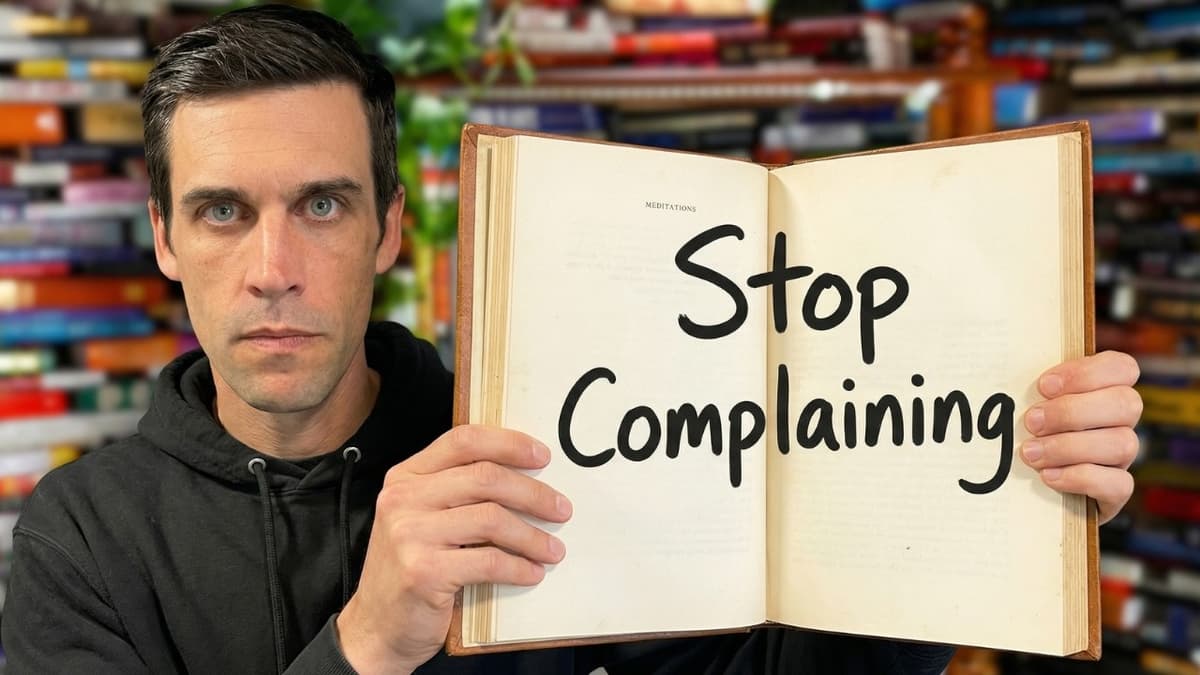
A Month of the BEST Lessons From Marcus Aurelius
The video unpacks Marcus Aurelius’ Meditations, translating the ancient stoic text into actionable guidance for today’s leaders and professionals. It frames the emperor’s private reflections as a roadmap for cutting through modern noise and reclaiming purpose. Central to the lesson is...
James Stockdale's Stoic Strategy that Helped Him Survive a Vietnamese POW Camp
The video recounts Admiral James Stockdale’s application of Stoic philosophy to survive seven years of torture as a Vietnamese POW, and how his experience birthed the “Stockdale Paradox” later popularized by Jim Collins in Good to Great. Stockdale’s core insight was...
Don’t Let Bad People Make You Bad
The video reflects on the timeless presence of cruelty, stupidity and inhumanity, arguing that today’s “bad people” are not a new phenomenon but part of a long‑standing human condition. It draws on Marcus Aurelius’s Meditations, reminding viewers that the Stoic...
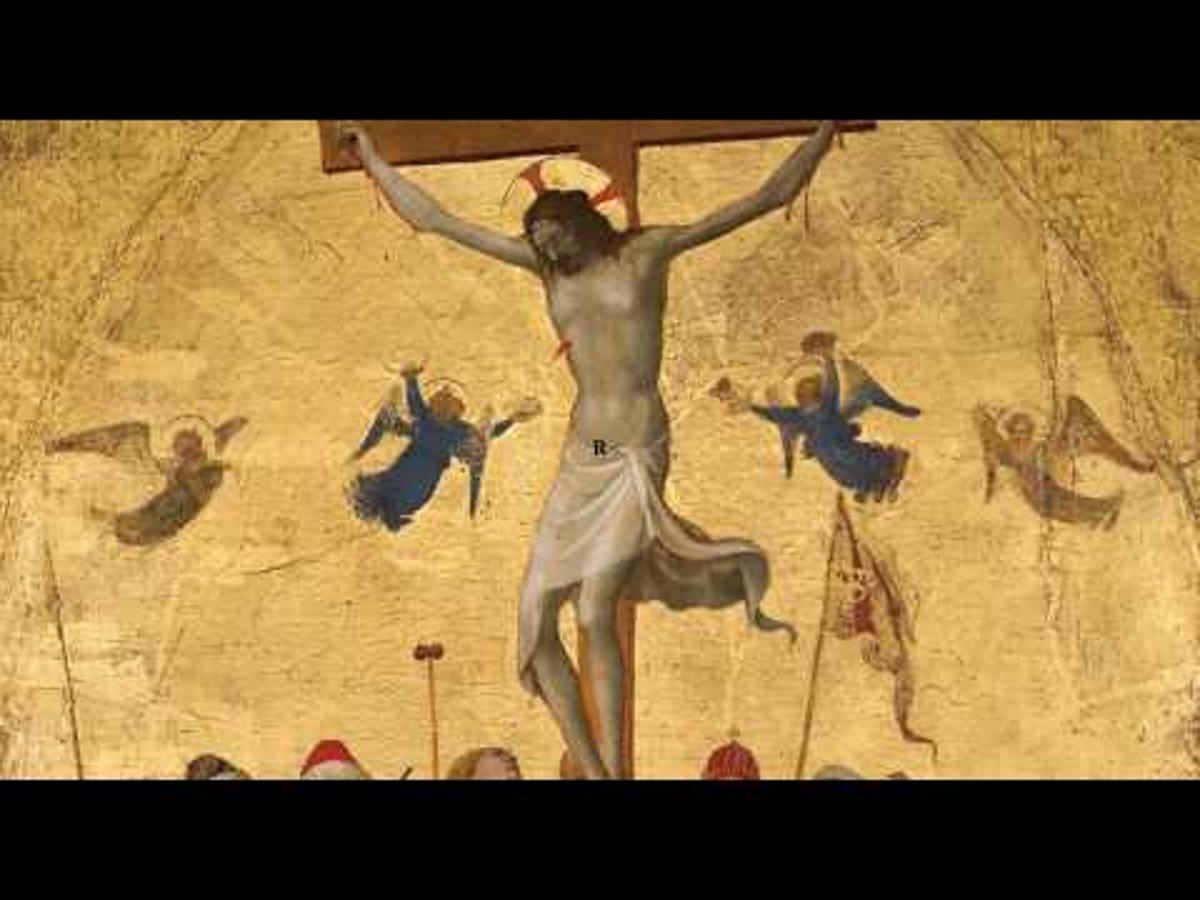
The Stoic Lesson of Rebirth
The video repurposes the Easter story as a universal lesson in rebirth, drawing a stark contrast between the brutal deaths of Roman‑era Stoic philosophers and the crucifixion‑and‑resurrection narrative of Jesus Christ. By recounting the fates of figures such as Seneca,...

The Stoic Lesson of Marcus Aurelius' Crumbling Statue
The video uses the restoration of Rome’s 94‑foot Marcus Aurelius column to illustrate a core Stoic principle: fame is fleeting, and what truly matters is how we live in the present. While the column still stands after nineteen centuries, its...

The World's Most Fascinating Stoic
The video profiles Seneca, the Roman philosopher‑statesman whose life blended intellectual rigor with practical achievement. Beyond authoring moral treatises, he served as Emperor Nero’s advisor, amassed wealth through savvy investments, and embodied the Stoic ideal of a thinker‑doer. Seneca’s core argument...

Stoic Lessons From Cemeteries Across the World
The video uses a personal near‑death encounter and a habit of visiting cemeteries worldwide to illustrate the ancient Stoic practice of memento mori – a reminder that death can arrive at any moment. By walking among headstones in Greece, Hawaii,...

Your Information Diet Is Destroying Your Focus
The video frames our modern "information diet" as a nutritional crisis, arguing that we ingest endless, low‑quality content without the deliberation we apply to food. By equating mental clutter to junk food, the speaker warns that unchecked digital consumption erodes...

The Stoic Response to a Broken World
The video frames the modern sense of societal decay through a Stoic lens, arguing that the world’s pervasive dishonesty, selfishness, and ignorance should not drive us to despair. Instead of attempting to reform others—parents, bosses, politicians, or online trolls—the Stoic...

Do These 7 Things Every Day
The video outlines seven daily practices drawn from ancient Stoic philosophers, positioning them as a blueprint for modern personal productivity and resilience. It begins with the admonition to rise early, echoing Marcus Aurelius' struggle to leave the warmth of his...

Why You’ll Never Use the Power You’re Saving
The video challenges the common narrative that accumulating power, money, or platform is a strategic reserve for a future "big moment." It argues that this self‑justifying story is a delusion, urging leaders to recognize that waiting erodes the very purpose...

Don’t Make It Worse Than It Is
The video titled “Don’t Make It Worse Than It Is” urges viewers to separate the original setback from the emotional reaction that often compounds it. It draws on Stoic thinkers like Marcus Aurelius and Seneca, emphasizing that while the event is...

Why Great Leaders Admit When They’re Wrong
The video argues that the most powerful leadership tool is admitting mistakes, a practice that signals fallibility and opens the floor for employee input. Former Navy SEAL Team Six commander Dave Cooper illustrates this by routinely saying, “I screwed that up,”...

The Stoic Way to Admit You’re Wrong
The video argues that admitting you’re wrong is one of the toughest human tasks, yet it is essential for effective decision‑making. Drawing on Stoic philosophy, the speaker frames error acknowledgment as a strategic advantage rather than a personal failure. When new...

The Stoic Reason To Turn Down 1 Million Dollars
The video explores why a Stoic mindset can justify turning down a multi‑million‑dollar offer, using the story of NBA player John Amachi who rejected a $17 million contract from the Los Angeles Lakers to stay with the Orlando Magic. It frames...

Now Is The Time
The video titled “Now Is The Time” frames the lingering winter doldrums as a catalyst for a spring‑time call to action. The speaker paints a bleak picture of sub‑zero winds, early darkness, and Monday‑blue fatigue before pivoting to the first...

Life Won’t Go According to Plan
The video uses Marcus Aurelius as a lens to illustrate how external events—floods, wars, famines, plagues, and personal tragedies—can upend even the most powerful ruler’s agenda. It argues that the world is indifferent to individual dreams, forcing leaders to confront...

How to Focus (From the Stoics)
The video frames modern distraction through a Stoic lens, urging viewers to reclaim focus by reshaping daily routines. It begins by diagnosing the overload of personal, professional, and digital demands that erode concentration, then pivots to ancient wisdom—Marcus Aurelius, Seneca,...

The Stoic Way to Reset Your Life
The video frames stoicism not as a quest for perfection but as a disciplined method for bouncing back quickly when life derails our plans. It argues that the true power of the philosophy lies in its capacity to reset, allowing...

If You Want Good Times, Do Good Things
The video titled "If You Want Good Times, Do Good Things" argues that personal agency, not external forces, determines whether one experiences prosperity. It frames the message as a philosophical reminder that individuals control their actions and character, even when...