

Don't DIY Marketing Automation—Use Dedicated Tools, Not Code
So I’ve been vibe coding for about 4 months and shipped 10 apps and now I’m doing something I didn’t want to do. I’m starting to build our own vibe’d marketing automations (on top of Resend ). If there’s one thing I don’t think you should do yourself, it’s marketing automation. Building lists, segmenting lists, sending millions of emails … this is something you don’t want to get wrong. Or wing it. Buy a tool that does this all day long. But … but … we’ve reached the limits from our existing vendors, too. I want to use AI to hyper personalize emails in many of the same ways we do for our AI SDRs. Not exactly the same (that would be time and cost prohibitive), but to some extent. And our existing horizontal tools just can’t do this. So I vibe’d a series of new campaigns to SaaStr AI this week. We’re sending 5 different campaigns ourselves now, outside our marketing automation tools. Soon it will be more. I didn’t want to. But we needed to.

AI BDR Generates 25% of Pipeline in 60 Days
Update: 🤖25% of our pipeline in past 60 days was from our AI BDR Not 100%. But up from 0% 90 days ago.
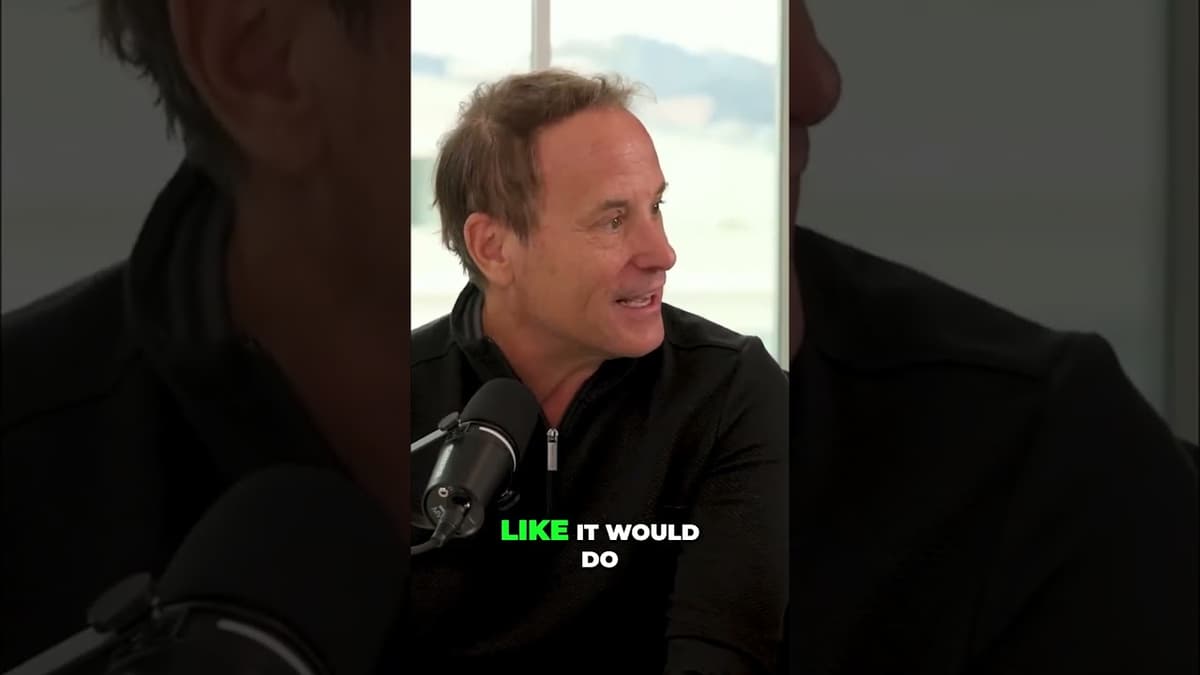
Agentic AI: How We Stair-Stepped to Success #shorts
The speaker outlines a "stair‑step" strategy for deploying agentic AI, urging firms to begin with the simplest, low‑training use cases—such as a horizontal agent that can ingest content with minimal setup—to secure an early win. An early success, like an...
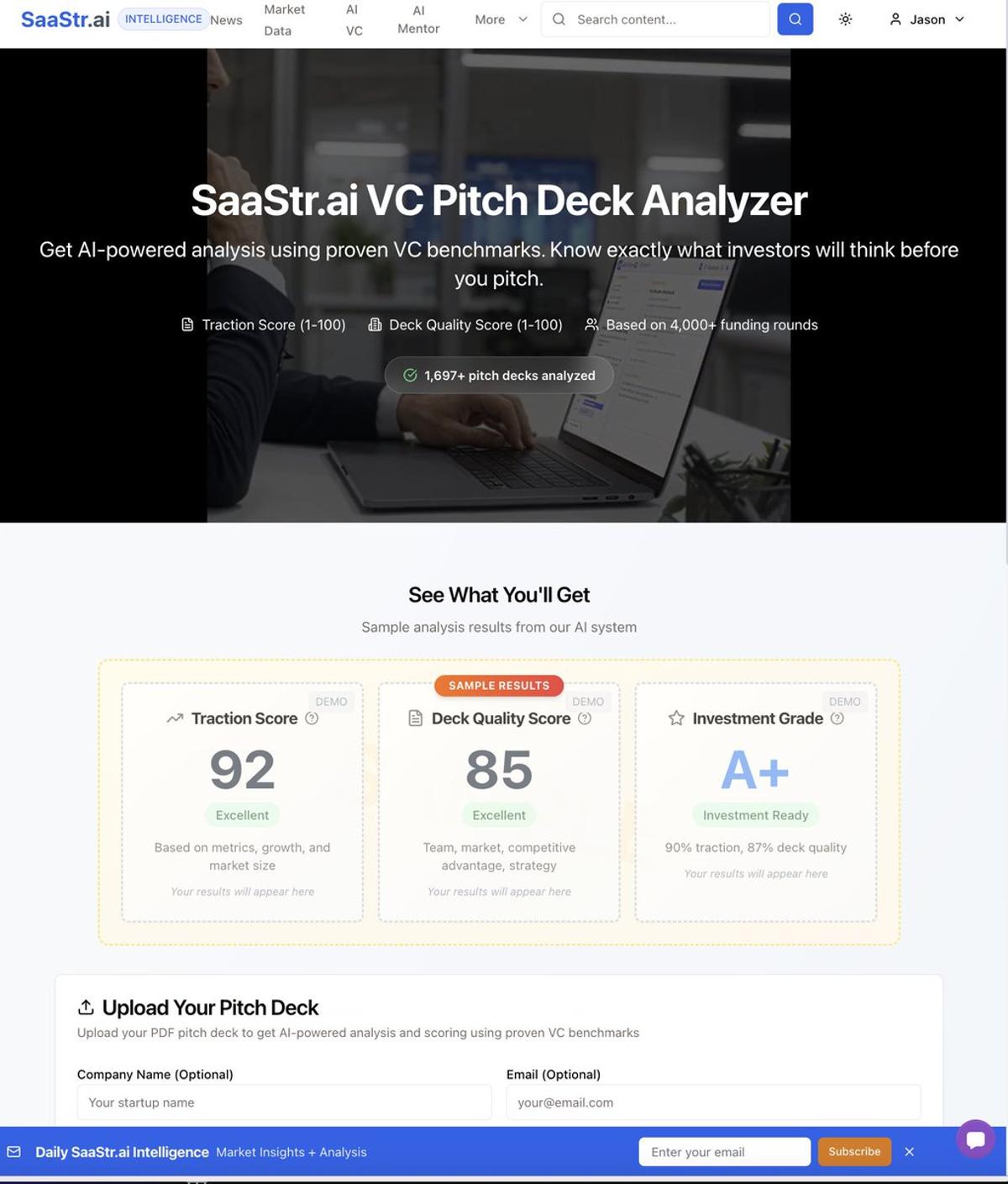
Free AI Analyzer Grades Your VC Pitch Deck Instantly
Wondering if your VC pitch is good enough? SaaStr AI will tell you. Try the FREE SaaStr AI VC Pitch Deck Analyzer here -> https://t.co/S5UFYzoN7a Try it now. We'll grade it, tell you the exact odds you'll get funded, and...

Customers Prefer Better AI Sales Reps—Deploy Yours Directly
- Do customers even care if your sales reps is AI or human? Not if the AI is better than a human - #1 top advice to get going on AI + GTM: deploy an AI agent -- yourself. ...

VCs Must Choose Between Steady Growth and AI Frenzy
Is Triple Triple Double Double good enough anymore? $1m ARR -> $3m ARR -> $9m ARR -> $18M ARR -> $36m ARR -> rocketship Here's the thing. On the one hand, of course it is. That compounds to 50%+ growth...

Customers Want Done‑For‑You, Not Just Better Claims
There are so many products I would buy if the vendor just said "I'll do all the work for you" Instead, they all want to tell me why they are 10x better
Agent Productivity: How Data & Tools Drive Results #shorts
The speaker describes a routine of checking in on each sales agent across multiple teams to assess productivity, noting that the hour spent per agent compounds into significant performance gains. Early-stage platform adoption requires extensive setup, often revealing poor data...

AI Slows SaaS, but Adds Massive Functionality
SaaS apps are much, much slower since AI It's OK because they do much, much more But not something I would have expected 24+ months ago

AI Agents Will Shrink Software Seat Counts
AI is coming for your seats. And it doesn't even mean to. What do I mean? We've gone from 0 to 12 AI Agents at little team SaaStr this year, and as part of that ... we don't need as...
Sam Altman Owns No Shares in OpenAI
Is it >crazy https://t.co/jO7J7KEwjU https://t.co/qQMTBJGyLp
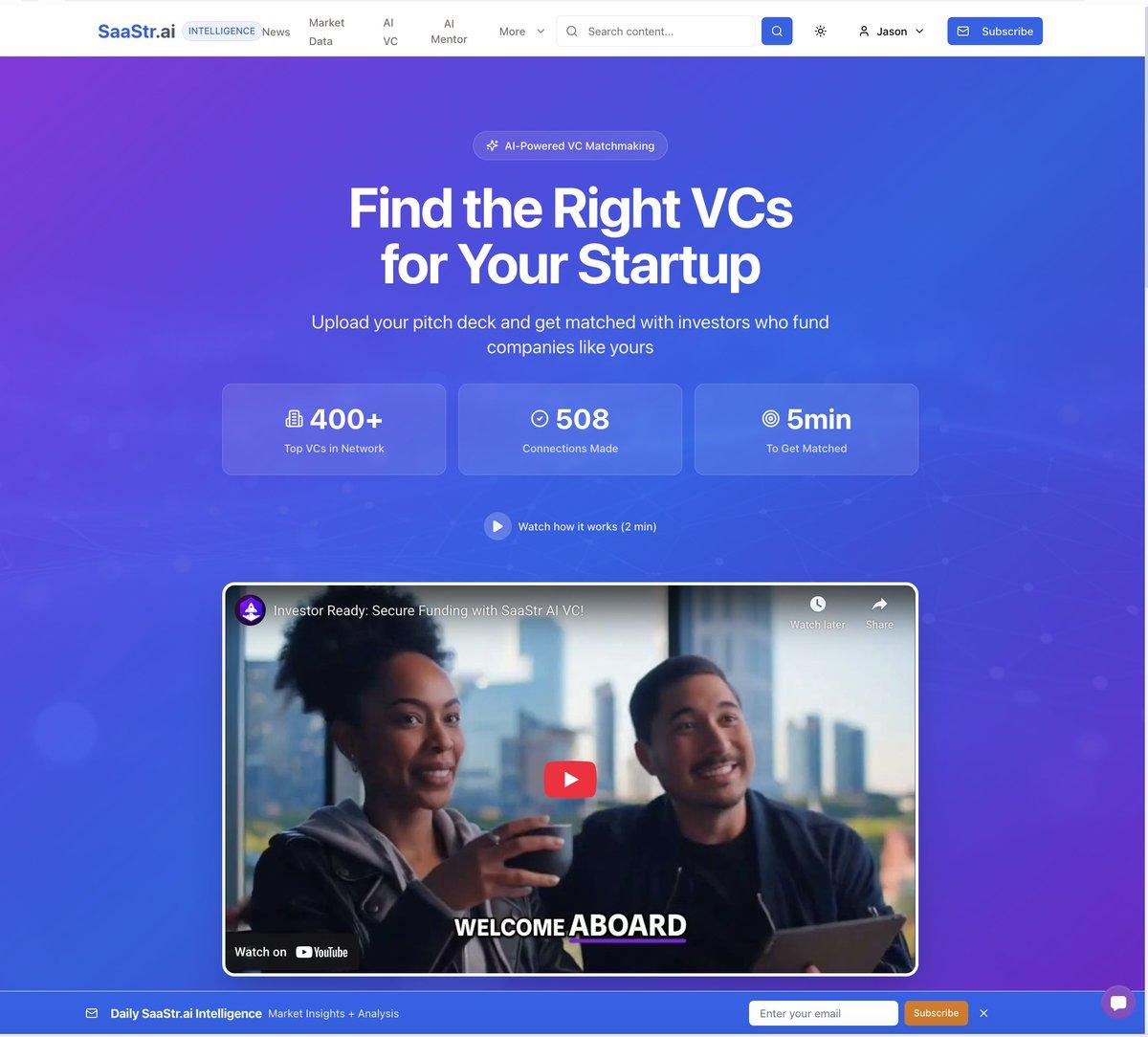
Demystify VC Funding with SaaStr AI VC
🤷♀️Getting funded shouldn't be a mystery 🔮Knowing the odds VCs will say Yes shouldn't be opaque 🤝 Meeting investors shouldn't require connections We're here to help. SaaStr AI VC -> https://t.co/XzJ5d0OYvZ https://t.co/XbFWOuetFF

IPO Valuations Dwarf Typical ARR Multiples
Times are good But Navan IPO’ing at ~$5B at ~$800M ARR run rate And JAMF selling for ~$2B at 3x ARR Well, they do make me wonder about some VC rounds these days

Avoid Hiring “Strategists”—They Won’t Execute the Work
So some folks are going to disagree with me on this post, but I'm close to 100% right on it, and it will save you a ton of pain and time and money. 👉 Never hire someone who describes themselves as...
AI Hero Purchase: Why Marketing Strategies Fail #shorts
The speaker cautions CMOs against pursuing high‑profile "hero" AI purchases that promise flashy improvements but miss the organization’s most critical pain points. He advises deploying AI first in low‑hanging, under‑served functions where the company currently underperforms, securing quick wins rather...

Chat‑based AI Prototyping Finally Matches Your Product’s Look
Huge congrats to @alloy_app for growing 10x in less than 30 days!! -> https://t.co/MGKugp77a2 Alloy is AI prototyping for PMs that actually looks like your product. 1⃣Capture your app in one click 2⃣Chat to build features in minutes 3⃣Share with team/customers. Already in...

20VC and SaaStr Return with Top Investors
We’re back!! 20VC x SaaStr with Harry Stebbings , Rory O'Driscoll and Jason! Bottom Line Up Front: Three seismic shifts hit venture this week. OpenAI completed the most significant corporate restructuring in tech history, clearing the path for a potential...
A Little Memory Delivers Most AI Performance Gains
"Memory" is one of the top topics in AI today. Memory makes almost all our AI apps run better. But how much memory ... do you need? I honestly don't know, but my learnings so far: - "Digital Jason"...
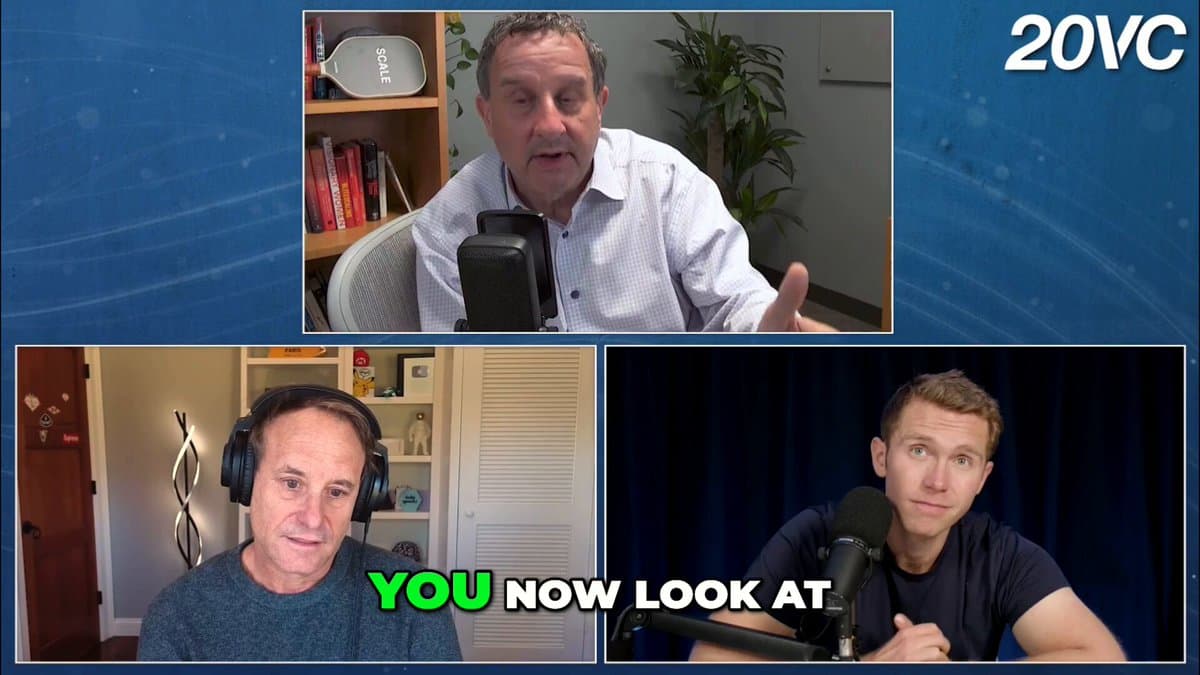
Founders Must Navigate AI IPO, $10B A16z, Series B Risks
We're back!! @HarryStebbings @rodriscoll + me! 1/ Three seismic shifts hit venture this week that every founder needs to understand: 1⃣OpenAI's $500B restructuring clears path to $2T IPO 2⃣A16z raises $10B (but it's more matchable than you think) 3⃣66% of Series B investments...

AI Will Close Major Deals Without Sales Executives by 2026
There is going to be a rude awakening for the sales profession in 2026. Everyone is going to be surprised how many fairly big deals close without a sales exec. This isn’t to say they will close without a human involved. ...
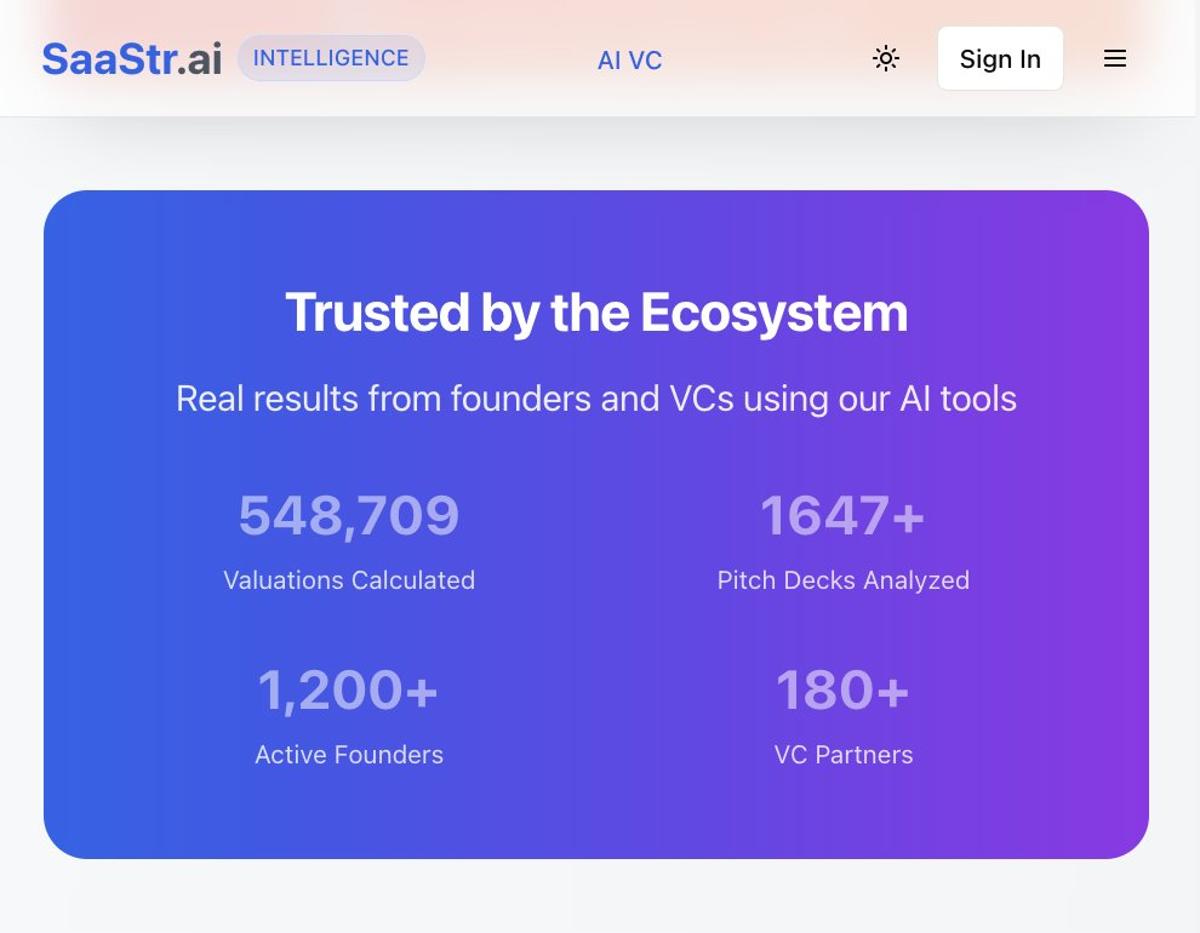
SaaStr AI VC: Massive Startup Data & VC Connections
SaaStr AI VC. Try it free -> https://t.co/XzJ5d0OqGr 🧮548,709 start-up valuations 🖥️1,657+ VC pitch decks graded 🧖♀️1,200+ active founders now 🫂503 VC connections made It's pretty darn cool https://t.co/nXGlRNz6mC
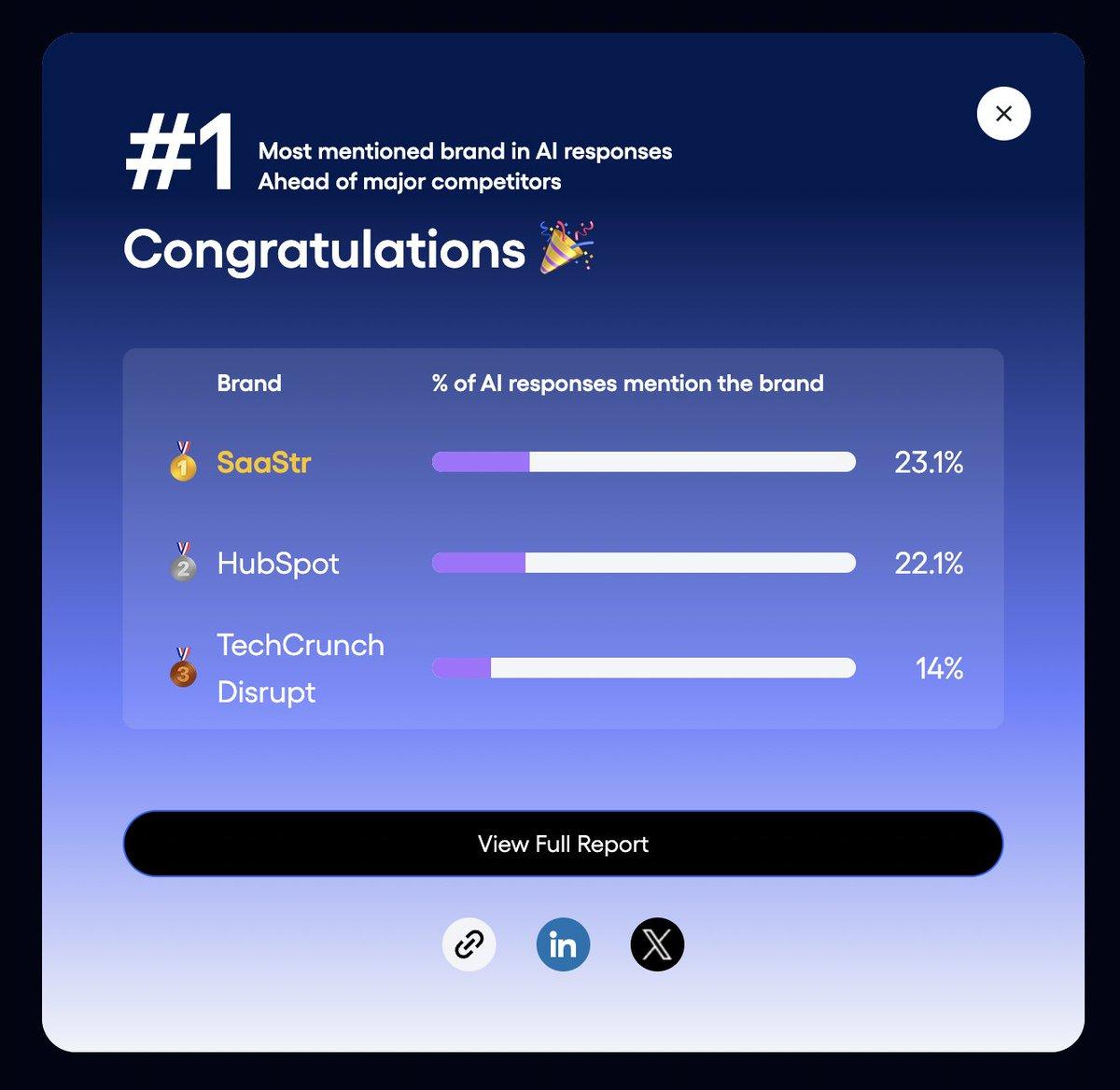
SaaStr Tops Brand Mentions, Beats HubSpot and TechCrunch
Insights from @Amplitude_HQ AI Visibility 🚀 @saastr is the #1 most-mentioned brand - ahead of @hubspot and @TechCrunch!! https://t.co/g6PJChA7Ll https://t.co/5bV9t5BPky
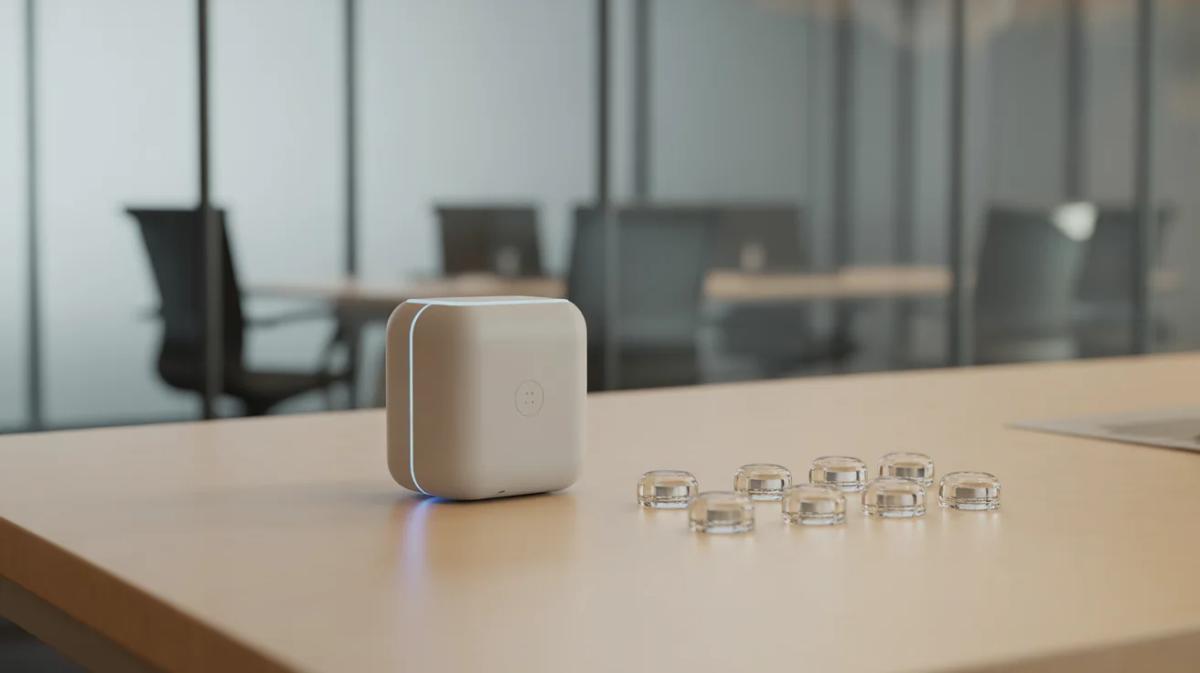
AI BDR Books Meetings, Replaces Need for Hires
Our AI BDR booked 7 meetings on its own with our sales team last week. I mean you could argue a human could do a better job. Maybe. But the real thing is, you don't even have to hire than human...

Founders Can Keep Seed Money, Leaving SAFE Investors Empty
So far I've watched 3 VC seed deals this year where the founders just decided to keep the money for themselves and not build the product. All were on SAFEs, and they took the position they owed investors nothing and that...
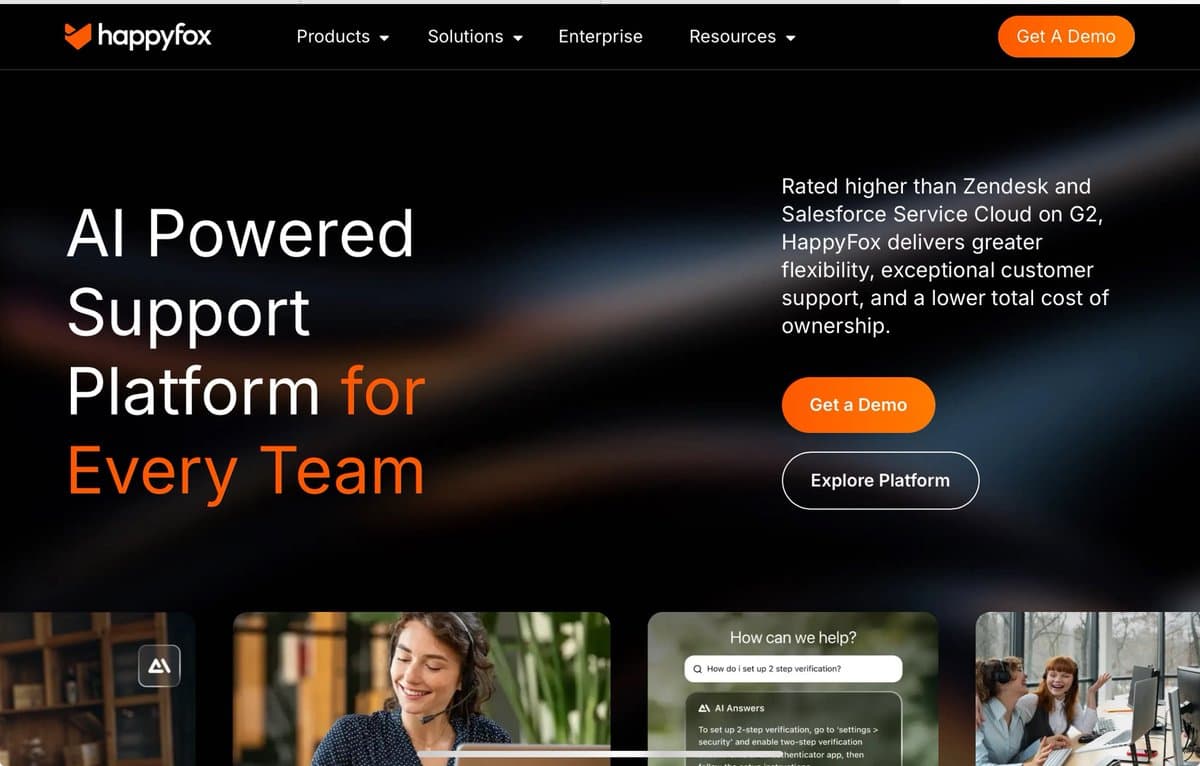
HappyFox Cuts Tickets 50% and Boosts Support 10x
Thrilled to welcome @HappyFoxApp as a Super Gold Sponsor at SaaStr AI Summit AND SaaStr AI London! 🚀 HappyFox is transforming support with AI-powered solutions that actually work—cutting ticket volumes by 50%, boosting agent productivity 10x, and bringing AI assistance directly...
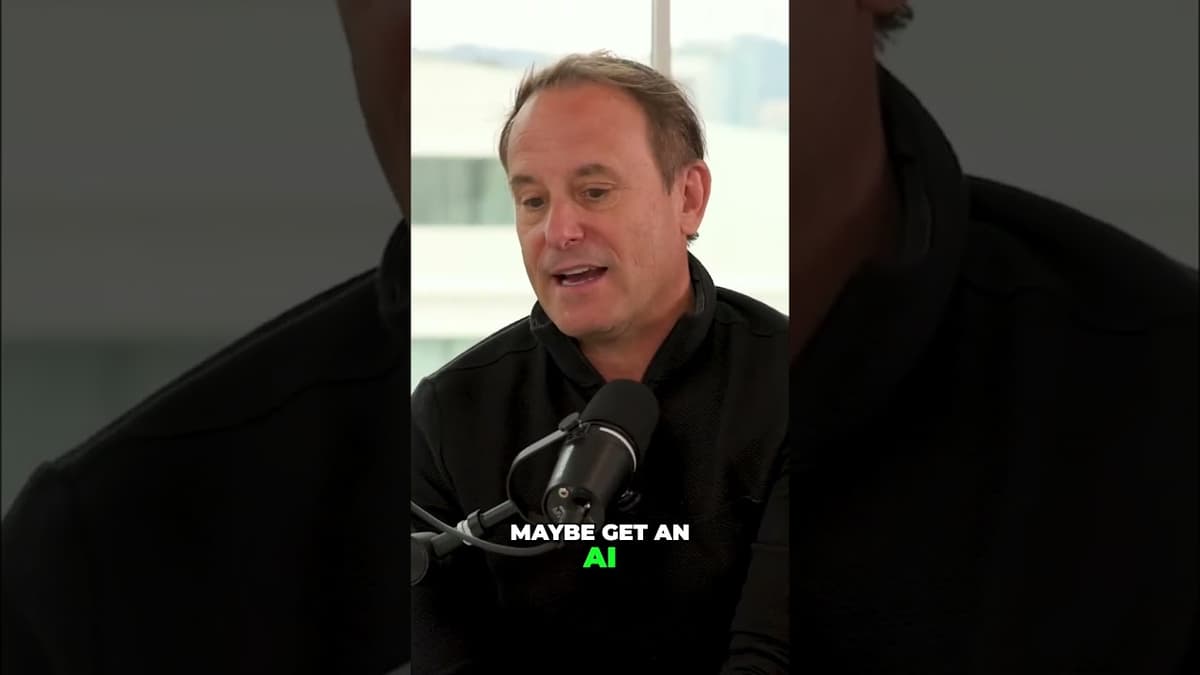
AI Layup Roles: Where to Start with AI in Production #shorts
Speakers advise companies to prioritize “layup” AI roles—use cases where reliable tools already exist but internal teams aren’t executing. These are often tasks that are hard to staff, mismatched with company culture, or simply neglected, rather than areas that are...

Ship First, Storytelling Improves with Each Iteration
So many on X say founders need to be “great storytellers.” Hogwash. And it leads to founders selling bulls**t. Look, you gotta tell the story. But no matter what, if you are successful, you’ll get good at the story by...
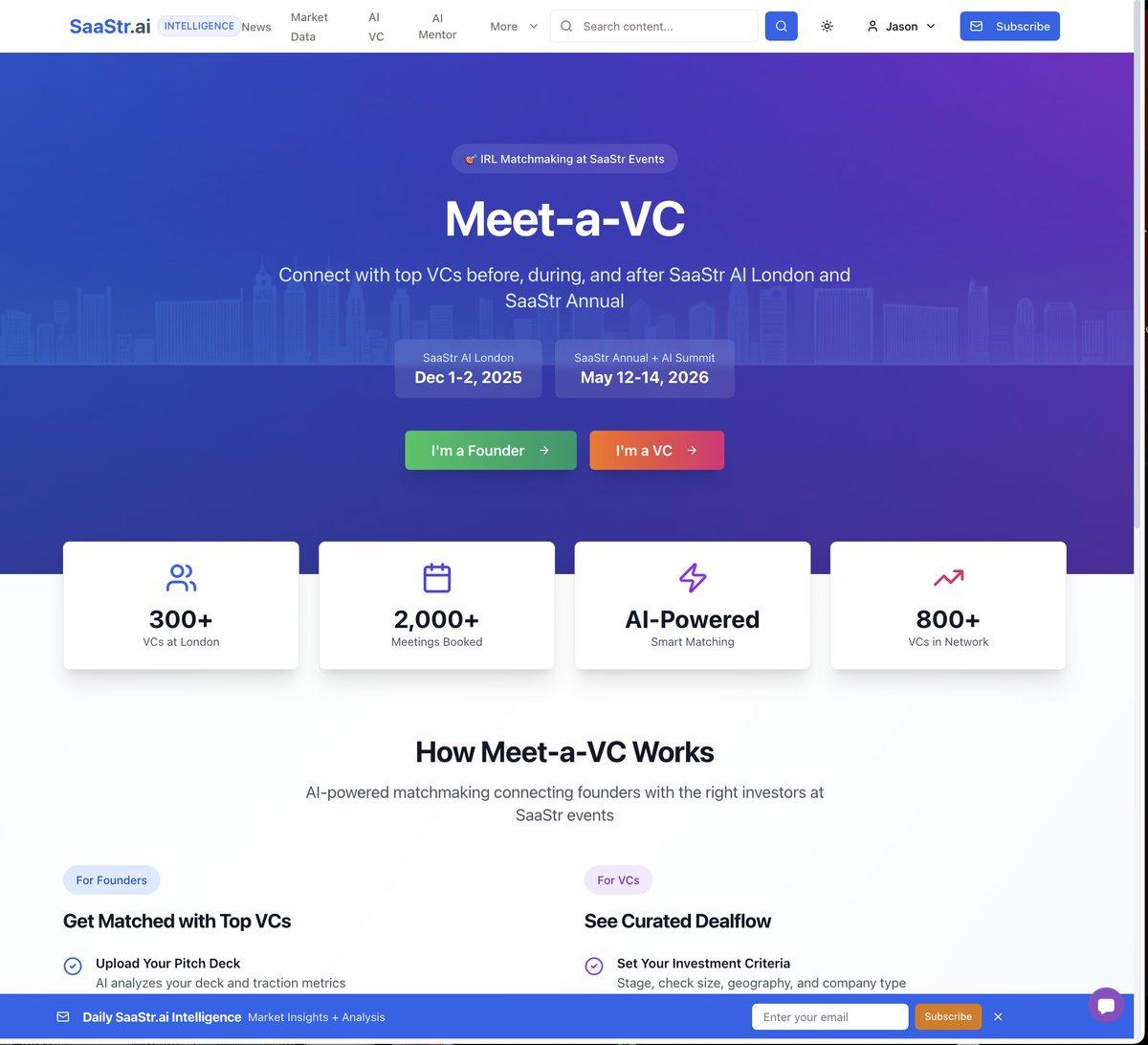
Built SaaStr AI Tool in a Day, Bypassing Vendors
Waited 7 years for our SaaS vendors to build this for SaaStr AI London + SaaStr Annual So today, I built in 1 day on @Replit https://t.co/ymRJa89ima

Tech Giants Cut 192K Jobs While Spending $80B on AI
2025 Tech Layoffs: The Great Restructuring 192K+ workers cut across 582+ companies through October. The numbers: Big Tech bloodbath: • Intel: 22-25K (biggest tech layoff at time) • Microsoft: 15K+ • Amazon: 14K announced, 30K rumored • UPS: 48K total (34K ops) • Meta: 3,600-8K • Google: 100s...
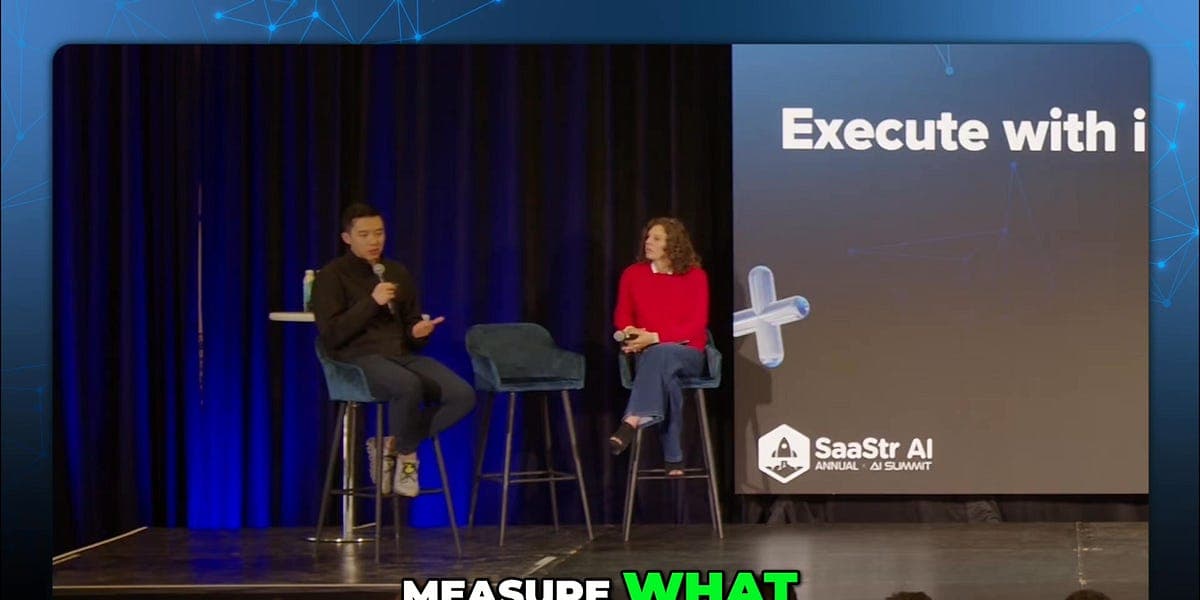
From Zero to Eight Figures in 18 Months: Decagon CEO’s Playbook for AI-Native SaaS Growth. And Why They Partnered With...
Decagon, founded in late 2023, scaled to eight‑figure ARR in roughly 18 months by selling AI customer‑service agents to major enterprises including Hertz and Chime, claiming roughly $800K in annual savings for every $250K spent. Backed by Accel at Series...

Humans Win Big Deals, AI Dominates Routine Outreach
On SaaStr’s own little sales team, “outbound” from humans has still crushed “outbound” developed by our AI SDRs But the nuance is >whichSDR< we’ve ever had But the best AEs have still brought in deals the AI SDRs never would have, and...

Start at $1M ARR, Let Customers Map Growth
If you aren’t sure how to get to $100m ARR, just get to $1m ARR Then just ask your customers They will basically tell you
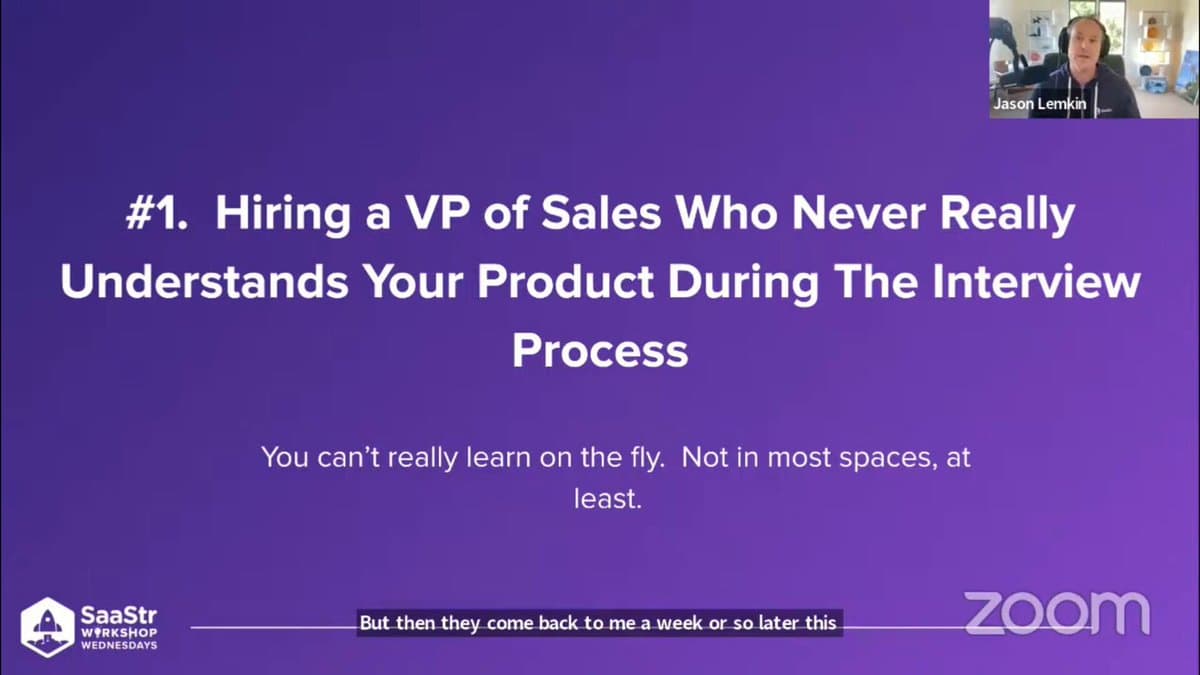
Founders Hire Likable VPs, Ignore Product Expertise
The #1 mistake I see founders hiring their first VP of Sales? Hiring someone they like. That talks the talk. But that never understands the product. https://t.co/xqO0h14EFc
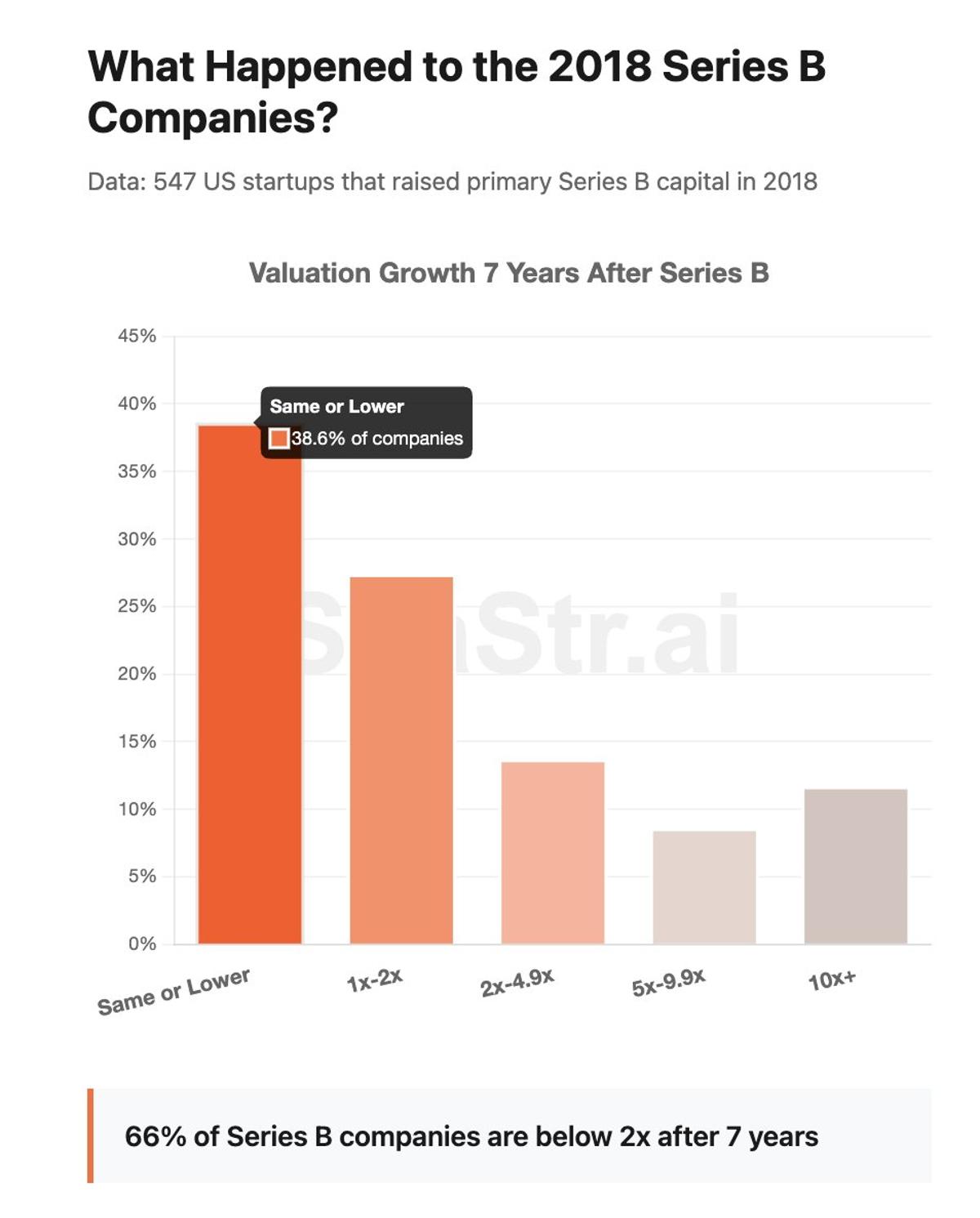
Series B Deals Rarely Deliver 10x Returns—Pick Wisely
The latest data from @cartainc is brutal. Of 547 Series B deals in 2018: - Figma did 100x ... but - 39% are worth 1x or less - Only 34% are worth 2x or more after 7 years But - 11.7% do achieve...

B2B Must Offer Instant Value, Not Delayed Features
Today your B2B product has to deliver immediate "WTF" value now. Not "interesting." Not "I'll think about it." Holy Cr*p, Almost Instant Value. The old playbook of annual releases, 12-month enterprise rollouts, and quarterly webinars? Dead. 🧵Here's what's replacing it...
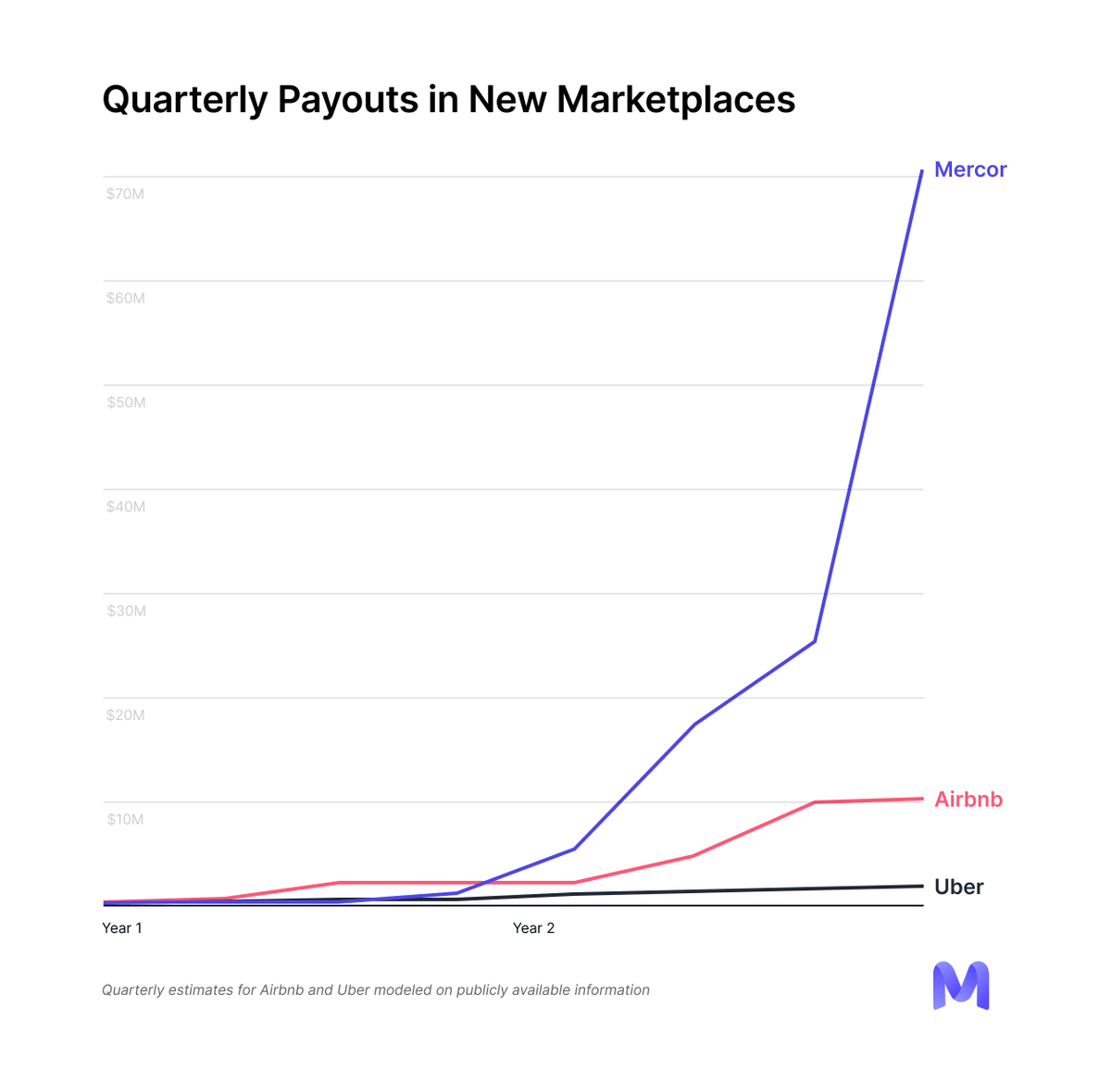
VCs Measure Your Startup Against This Benchmark
Fair or not, this is what your VCs are comparing you to Fair or not https://t.co/v9L5oDXV2h

Skip Process‑obsessed VP of Sales Before $10M ARR
Before $10m ARR, Do not hire a VP of Sales that mainly talks about process You are too early for them

75% Fit with Top VCs Signals Major Validation
"A 75% fit with @altosvc + @20vcFund? That's huge. It was exactly who we'd hoped for." Sign up for waitlist for SaaStr AI VC -> https://t.co/Eg5TFmnXmm https://t.co/r9Ct5KFhbP

AI Support Saves Money, Yet Still Costs Too Much
We all know how much AI has already changed customer support But it's not cheap Across all my investments in the space, the average price to resolve or reflect a ticket is about $1 For complex issues, around $5 in tokens etc That's much...
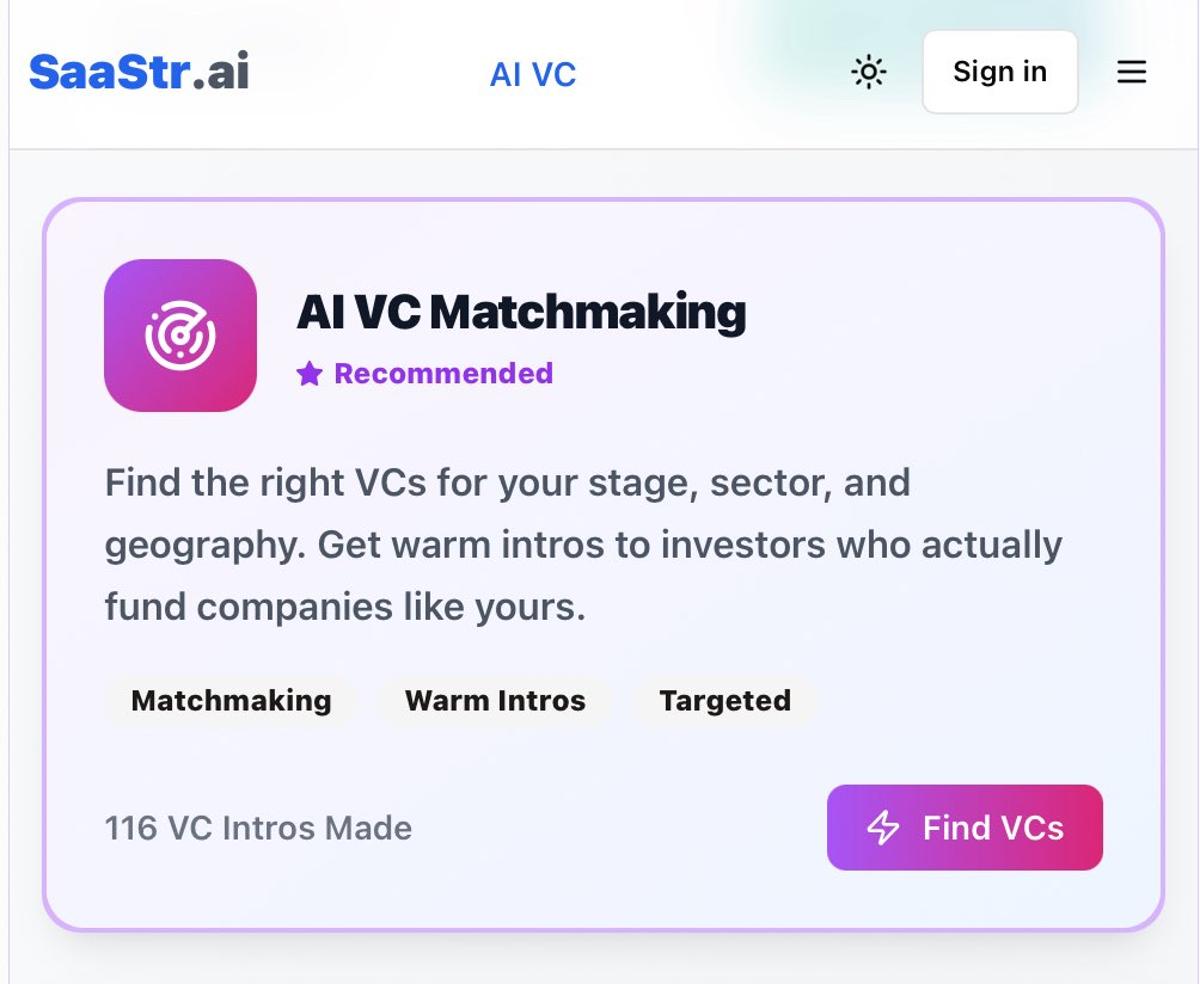
SaaStr AI VC Matchmaking Delivers 116 Intros in Two Weeks
The new SaaStr AI VC Matchmaking tool has already made 116 VC intros in https://t.co/P5GuMbTEG9 https://t.co/RzkMeULyjI

No‑Code Platforms Turn Weeks‑Long CRUD Projects Into Minutes
Yes, ‘prosumer’ vibe coding apps like @Replit are best at CRUD and CRUD+AI apps today. But that also means if you have some experience building CRUD apps … that you can just fly when you ‘vibe’ your next one. All the stuff...

Founders Ignore Market Timing; Invest Every Year
Great founders don’t time the market Great founders often don’t even check the markets at all They just start up when they see white space, and are ready to go So … Every year is a good year to invest
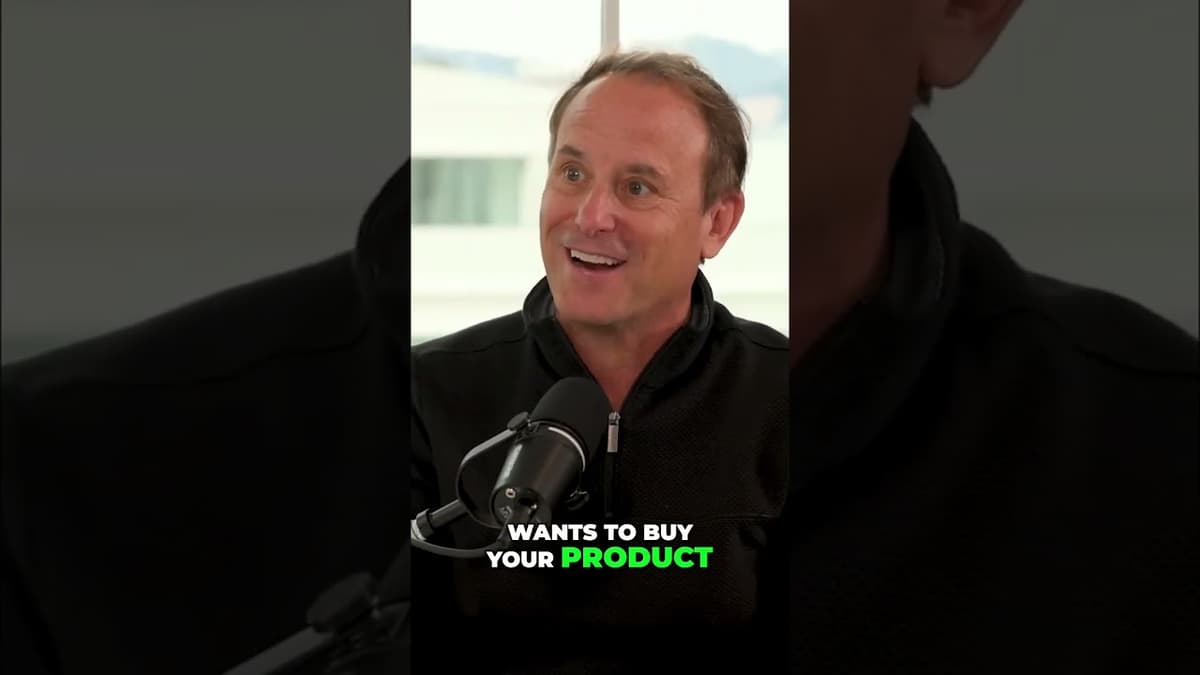
B2B Software Is Exploding: The AI Revolution #shorts
Speakers say B2B software is growing faster than ever because large new AI budgets are redirecting enterprise spending toward AI-enabled solutions. Traditional SaaS sales and marketing playbooks are losing effectiveness for companies that haven’t adapted to sell AI capabilities. Founders...
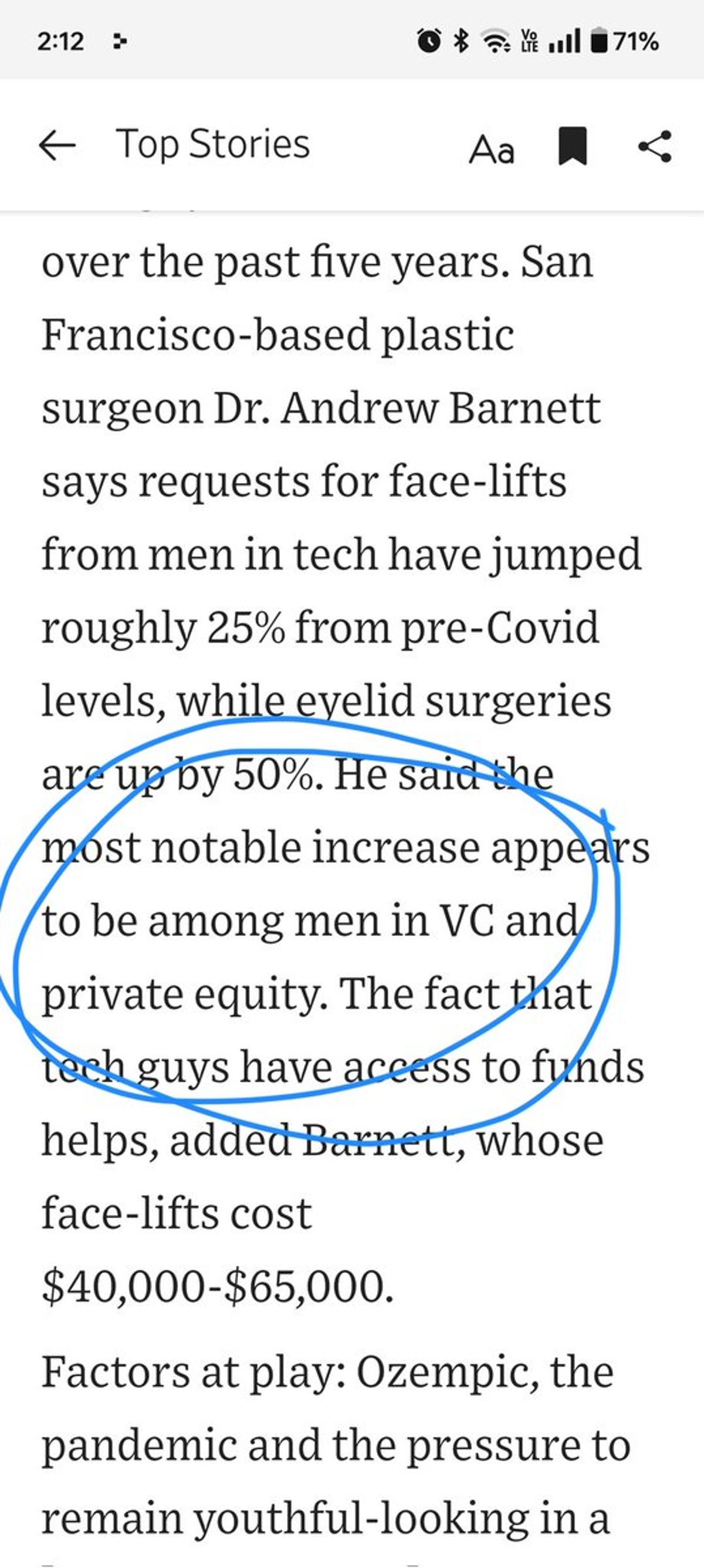
VC & PE Flood Plastic Surgery in San Francisco
Plastic surgery way up in VC and PE in SF Just wearing a hoodie doesn't cut it anymore https://t.co/DL45kykANm

From Zero to Twenty AI Agents in One Year
A year ago we had zero AI agents. Zero AI, really. Today, we have 20 AI Agents running SaaStr. And have replaced 12 humans. It's not all better. But it's the future, today. More here -> https://t.co/yEaD8WhJJg

SaaS Greed: Price Hikes Threaten Customer Loyalty
We had an app we’d been reference customers for — for years. Our case study was on their website, we got them several of the largest customers in B2B via our direct recommendation. Then last year they told...

Knowing Everything Makes You the Best CEO
For a long while, you probably aren't a great CEO But you know the customers The software The feature gaps The roadmap The competition How to sell it How to market it How to build it So maybe as flawed as you are You are still the best CEO

Chief AI Officer's Agent Strategy: Stair-Stepping to Success
The company's chief AI officer described a deliberate "stair-step" approach to deploying agentic AI: start broad and simple with a horizontal agent to secure early wins, then progressively move to more specialized use cases (SDR, BDR, outbound then inbound). That...

Serial Unicorn Experience Fuels Sky‑High Seed Valuation
Talked the other day to a founder raising a seed round at an insane price Here's the thing: the last two start-ups he worked at are worth $10B+ He wasn't the founder at those ones. But he does know how...

Only One of 16 Core AI Agents Is Legacy
New!! “Everything’s In Play in the Age of AI: Why Only 1 of Our 16 Core AI Agents Comes From a Legacy Vendor” https://t.co/ZWUROQEB9H