

Pediatric Emergency Department Visits for Dog Bites in Maryland, 2017–2025
Dr. Tish Ryan of Johns Hopkins presented a statewide analysis of pediatric emergency department (ED) visits for dog bites in Maryland from 2017 through 2025. Using the Maryland Health Services Cost Review Commission database, the study quantified the burden of dog‑bite injuries among children and adolescents up to age 19. The data show an average of about 1,800 visits per year, with boys ages 5‑9 accounting for the largest share. Incidents cluster in urban counties and peak during the summer months. Although most patients are discharged the same day, roughly one‑third require sedation or anesthesia, and hospital admission remains uncommon. Medical charges have risen steadily, and the use of rabies prophylaxis nearly doubled, while tetanus shots also increased, signaling heightened clinical vigilance. Dr. Ryan emphasized that while pets provide important social benefits, dog bites are a preventable source of injury. She noted the surprising rise in rabies prevention treatments and highlighted that children from rural counties are over‑represented relative to overall ED utilization, underscoring geographic disparities. The findings point to urgent opportunities for targeted prevention campaigns, school‑based education, and community‑level interventions focused on high‑risk groups and seasonal peaks. Reducing bite incidents could lower healthcare expenditures and mitigate public‑health concerns around infectious disease prophylaxis.
Urinary Incontinence in Women | Johns Hopkins Medicine Webinar
The Johns Hopkins webinar focused on urinary incontinence in women, outlining the two most common forms—stress and urge—incontinence and clarifying what constitutes normal urinary patterns. The presenter highlighted that a typical adult female voids 300‑400 ml six times daily, and that...
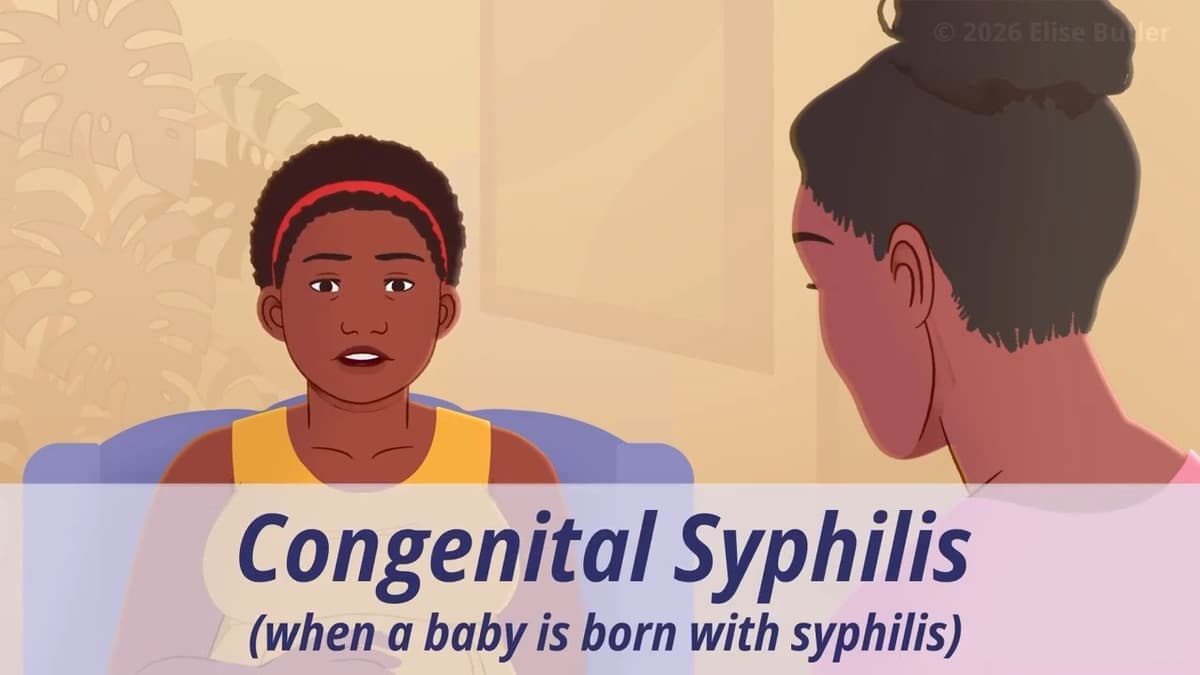
Congenital Syphilis
The video spotlights a surge in congenital syphilis, warning that cases in Baltimore have jumped almost four‑fold since 2020. It frames prenatal testing as the primary defense against a disease many assume is extinct. Syphilis, a bacterial infection transmitted through any...
Highlights From the 2026 inHealth Precision Medicine Symposium: This Is Our Big Data Moment
The 2026 inHealth Precision Medicine Symposium underscored a “big data moment” for Johns Hopkins, unveiling the REACH platform that opens the university’s clinical and research data to all investigators. Speakers highlighted that REACH provides a secure, privacy‑respectful infrastructure, allowing clinicians, data...
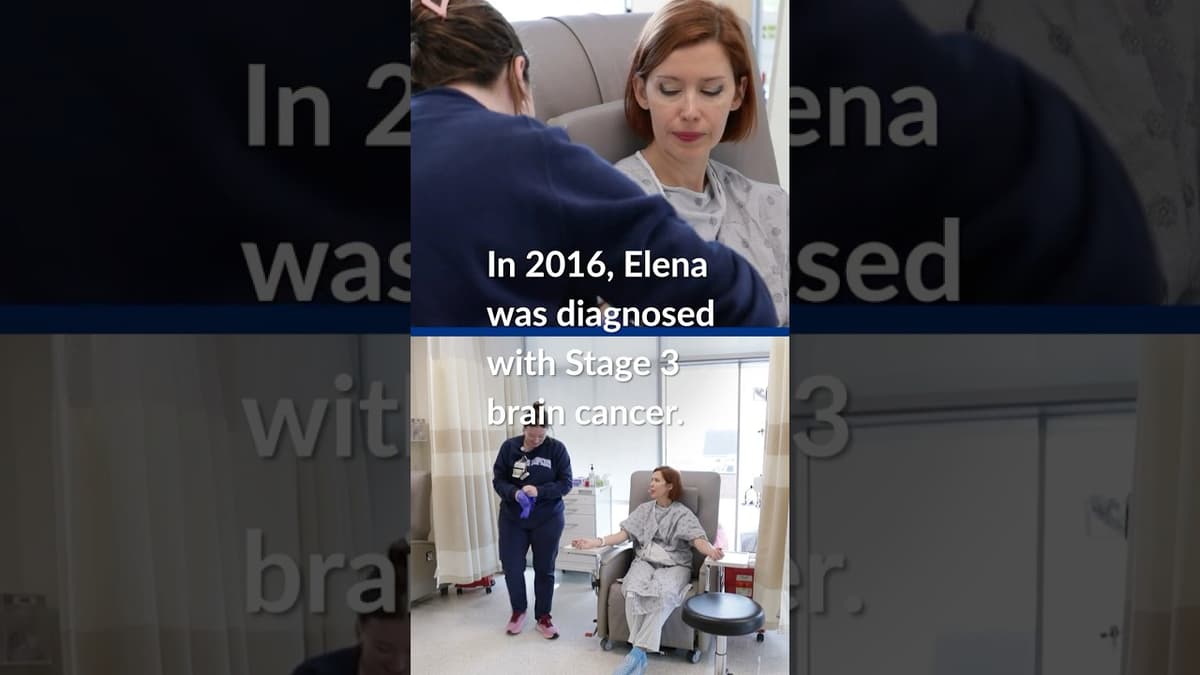
Recurrent Brain Tumor | Elena's Story
Elena’s video recounts the shock of a recurrent brain tumor diagnosis that abruptly turned her life upside down. The sudden news forced her to confront mortality, treatment options, and the fear of not seeing her children’s futures unfold. She describes overwhelming...

Using MyChart in Our Emergency Departments and Hospitals
The video walks viewers through the MyChart mobile application tailored for emergency department and hospital visits, showing how patients can integrate the tool into their care journey from arrival to discharge. Key functionalities include a live status feed of the visit,...
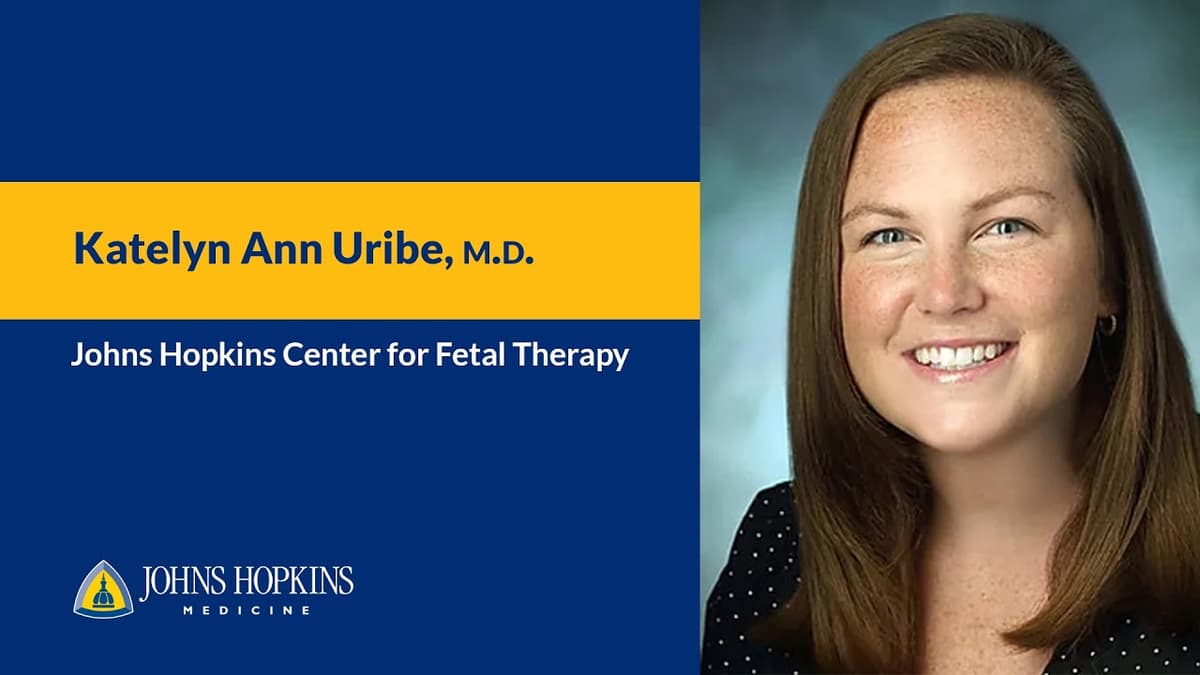
Katelyn Uribe, M.D. | Johns Hopkins Center for Fetal Therapy
Dr. Caitlyn Uribe, an assistant professor of obstetrics at Johns Hopkins, discusses her dual role as a mother and fetal‑medicine specialist, highlighting how personal experience informs her clinical practice. She leads a dedicated twin clinic that treats complex monochorionic pregnancies, including...
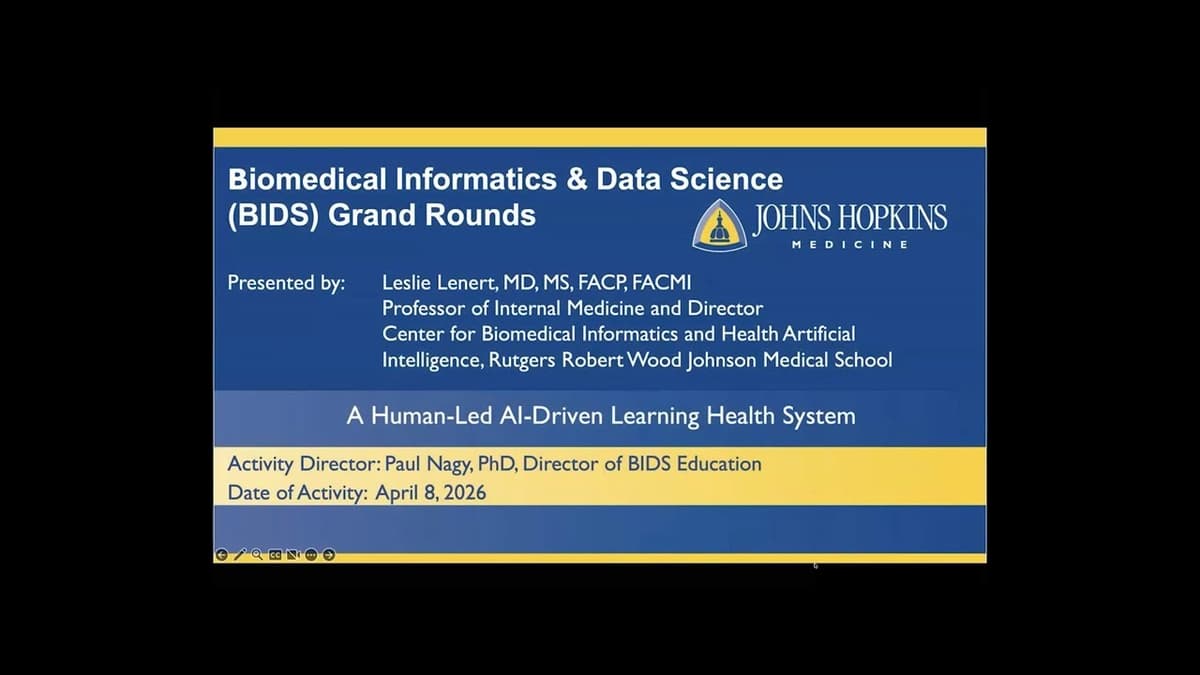
Informatics Grand Rounds with Dr. Leslie Lenert
In this Grand Rounds, Dr. Leslie Lenert reviews the evolution of computer‑patient interfaces, from Warner Slack’s early experiments to today’s e‑health and AI‑driven tools, and examines how these technologies reshape clinical workflows. He highlights that patients disclose sensitive information—psychiatric symptoms, sexual...
Where Did Everyone Go? Unpacking Clinic Missed Medical Appointment Rates Among Youth with HIV
The Savvy study, presented at the Society of Adolescent Health and Medicine conference, examined missed clinic appointments among youth living with HIV. Researchers found that nearly half (45%) of eligible participants missed at least one visit, highlighting a critical retention...
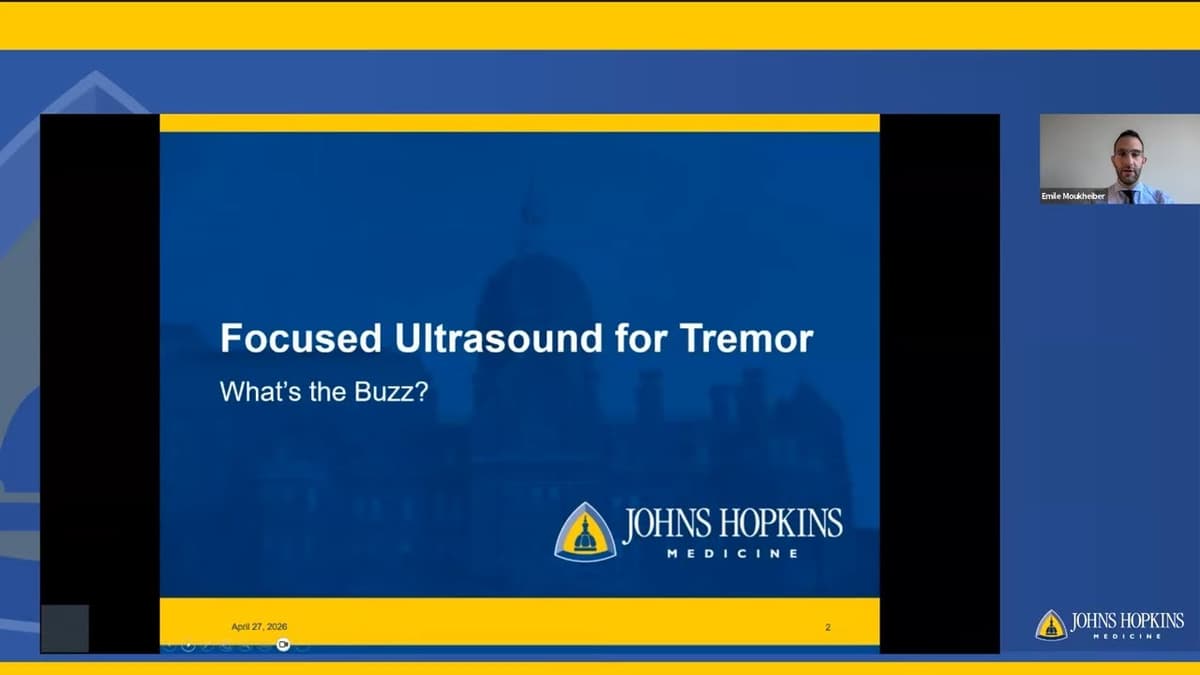
Focused Ultrasound for Tremor: What’s the Buzz?
Johns Hopkins physicians presented a detailed overview of MRI‑guided focused ultrasound (FUS) as a non‑invasive treatment for essential tremor (ET). The webinar covered disease prevalence, diagnostic criteria, and the limitations of medications and wearable devices, positioning FUS alongside deep‑brain stimulation...

Understanding Colorectal Cancer in Younger Adults
Early‑onset colorectal cancer (EOCRC) is emerging as a major health crisis, with incidence in adults under 50 nearly doubling over the past two decades. Experts warn it could become the most prevalent cancer challenge in coming years. The surge is attributed...
Inside the Johns Hopkins Early-Onset Colorectal Cancer Center for Colorectal Cancer
The video spotlights Johns Hopkins’ Early‑Onset Colorectal Cancer Center, a dedicated hub that tailors care for patients diagnosed before age 50. It stresses a multimodal, multidisciplinary framework that brings together surgeons, medical and radiation oncologists, nutritionists, reproductive specialists, and sexual‑health...

Research Highlights | ART-Free HIV Remission
The Lancet HIV study led by Johns Hopkins demonstrates that initiating antiretroviral therapy (ART) within 48 hours of birth can dramatically limit the formation of the latent HIV reservoir in perinatal infections, opening the possibility of ART‑free remission. In a multinational...
Understanding Scoliosis in Children
The video introduces Johns Hopkins’ pediatric scoliosis program, outlining how clinicians diagnose and manage spinal curvature in children. Nurse practitioner Kristen Venudi and PA Karen Willie explain the spectrum of idiopathic scoliosis, screening methods, and the criteria that trigger bracing or...
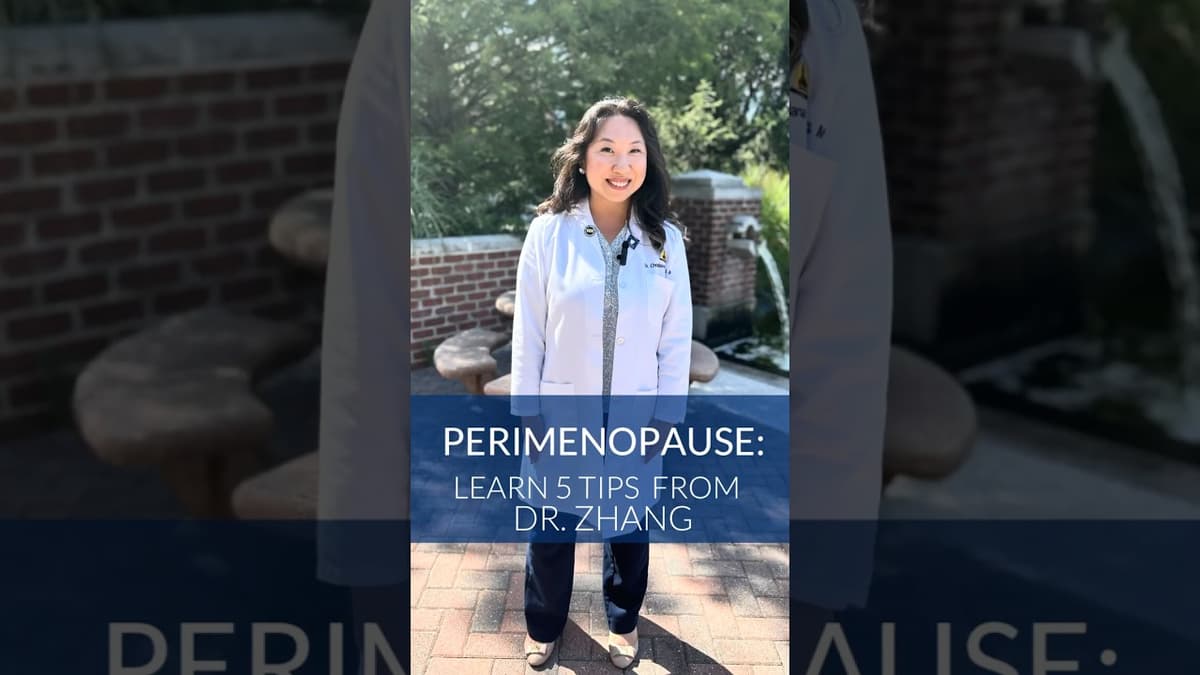
Perimenopause: Learn 5 Tips From Dr. Zhang
Dr. Tina Zhang, an assistant professor of medicine at Johns Hopkins and menopause specialist, presents a concise five‑point guide to navigating perimenopause, aiming to cut through the flood of social‑media advice. She advises a diet rich in healthy fats and protein,...

Updates in Fetal Therapy
The webinar presented the latest fetal‑therapy updates, concentrating on monochorionic twins and their associated complications—twin‑to‑twin transfusion syndrome (TTTS), selective fetal growth restriction (SFGR), twin anemia‑polycythemia sequence (TAPS), and fetal anemia. Dr. Urebe outlined a rigorous surveillance protocol: detailed nuchal translucency,...
Johns Hopkins inHealth Precision Medicine | Driving Research and Clinical Innovation
The video introduces Johns Hopkins InHealth Precision Medicine platform, a data‑centric infrastructure that aggregates de‑identified electronic health records to power research and clinical care. It highlights tools like a unified dashboard that surfaces patient metrics, a large‑language‑model “Health General Reasoner” that...

Celebrating First Magnet Designation | Johns Hopkins Howard County Medical Center
Johns Hopkins Howard County Medical Center announced it has received its first ANCC Magnet designation, a prestigious national credential for nursing excellence. The award follows a rigorous evaluation of the hospital’s nursing practice environment, leadership, and outcomes. Executives and staff highlighted...

Mini Brain Structures May Help Scientists Diagnose, Treat Alzheimer's Disease
The video highlights a breakthrough in Alzheimer’s research: the creation of patient‑derived mini brain organoids that mimic the disease’s pathology. By cultivating these three‑dimensional cultures from individual patients, scientists can observe disease mechanisms and test treatments in a human‑relevant setting. Key...
Dr. Paulina Liberman | Ocular Immunology
Dr. Paulina Liberman, an assistant professor of ophthalmology at Johns Hopkins’ Wilmer Eye Institute, discusses her journey from training at Wilmer to leading the uveitis department in Chile and returning to the institute to focus on ocular immunology. She outlines...
Atrial Fibrillation Management Webinar
The webinar, led by the director of Johns Hopkins’ atrial fibrillation clinic, provided a comprehensive overview of atrial fibrillation (AF) – the most common cardiac arrhythmia – its pathophysiology, risk factors, and the clinical pathways for diagnosis and treatment. Key points...

Understanding Congenital Diaphragmatic Hernia (CDH) Part 3 | Care Plan at Johns Hopkins
Johns Hopkins’ fetal therapy center outlines a comprehensive care pathway for infants diagnosed with congenital diaphragmatic hernia (CDH). The program begins with a detailed ultrasound, fetal anatomy review, and genetic risk assessment, followed by coordinated counseling with neonatology, pediatric surgery,...

Understanding Congenital Diaphragmatic Hernia (CDH) Part 1 | Diagnosis
The video explains congenital diaphragmatic hernia (CDH), a birth defect where a gap in the diaphragm lets abdominal organs migrate into the chest, compromising lung development and post‑birth breathing. Diagnosis relies on prenatal ultrasound, typically identifying two‑thirds of cases by 20...

Ep: 11 Decisions Your Loved Ones Shouldn’t Have to Guess | Medicine Made General
The Johns Hopkins GIM podcast episode focuses on advance care planning, clarifying the roles of palliative care versus hospice, and urging listeners to prepare legal documents before a crisis. Dr. Ivy Akid explains that palliative care aims to improve quality of...

Ahan Hunter, M.D. | Gynecologist & Obstetrician
Dr. Ahan Lamar Hunter, an obstetrician‑gynecologist at Johns Hopkins, uses his own family experience to shape a patient‑first philosophy. He describes his practice as an extension of family, aiming to laugh, cry, and move forward together with each woman he...

Ep 23: Leading Through Uncertainty: The Power of Listening in Times of Change | Vital Conversations
In this episode of Vital Conversations, Johns Hopkins’ chief wellness officer Lee Biddison and executive director for nursing well‑being Carolyn Cumpsty Fowler explore how leaders can navigate rapid change in academic medicine by focusing on the human response—transition—rather than just...

Endometriosis Explained | Symptoms, Diagnosis & Treatment Options
The webinar from Johns Hopkins specialists provides a patient‑centered overview of endometriosis, covering its definition, prevalence, pathophysiology, clinical presentation, diagnostic pathways, and therapeutic strategies. The presenters emphasize that endometriosis is a chronic, hormone‑dependent inflammatory disorder affecting up to 15% of...

Meet a Pediatric Hospital Medicine First-Year Fellow
The video features Barca, a first‑year pediatric hospital medicine fellow at Johns Hopkins, describing why she chose the program and what her experience has been like. She highlights the fellowship’s flexible, self‑directed curriculum, which lets fellows tailor rotations and projects to...

Meet the Pediatric Hospital Medicine Fellowship Director
Johns Hopkins’ Pediatric Hospital Medicine (PHM) Fellowship, led by Professor Brian Alverson, is positioned as a national pipeline for clinicians who want to lead in inpatient pediatrics. The program’s mission is to graduate fellows equipped with clinical excellence, research, quality‑improvement, and...

How Reliable Is AI for Infant Safe-Sleep Advice? Evaluating Accuracy Against National Guidelines
The study presented by Johns Hopkins medical student Evan Rosschud examined how reliably large‑language models (LLMs) provide infant safe‑sleep guidance compared with the 2022 American Academy of Pediatrics (AAP) recommendations. Researchers extracted nine frequent caregiver questions from Reddit’s New Parents forum,...

High-Resolution Pan-Viral Antibody Profiling and Brain Health in People with HIV
Dr. Patricia Katie Riggs presented her latest research on high‑resolution panviral antibody profiling and its relationship to brain health in people living with HIV, emphasizing well‑controlled patients and the role of chronic co‑infections. Using a molecular indexing of proteins (MIP‑A) platform,...

Rare Disease Day 2026 | Gene Therapy in Practice
The Rare Disease Day 2026 session titled “Gene Therapy in Practice” highlighted Johns Hopkins’ emerging program to deliver gene‑based treatments for pediatric neuromuscular disorders. Speakers—Dr. Jessica Nance, nurse practitioner Maria Belellios, and pharmacy coordinator Danielle Pennock—outlined the institution’s clinical‑trial legacy,...

Rare Disease Day 2026 | From Odyssey to Innovation, A Rare Journey to N of 1 Trial
Rare Disease Day 2026 highlighted a deeply personal yet broadly instructive case: the journey of Heidi, a patient with adult polyglucosan body disease (APBD), from a prolonged diagnostic odyssey to the launch of an N‑of‑1 clinical trial. The session brought...

Neuroimaging of Lyme Disease | Cherie Marvel, Ph.D.
Dr. Cherie Marvel, an associate professor at Johns Hopkins, presented her latest neuroimaging work on Lyme disease, emphasizing brain‑based changes and emerging blood‑marker data. The talk linked her expertise in cognitive neuroscience, functional MRI, and brain stimulation to the understudied...

Neurophysiological Markers of Elevated Inflammation and Cognitive Impairment in People with HIV
Dr. Tony Wilson presented his laboratory’s work on neurophysiological markers linking inflammation to cognitive impairment in people living with HIV. Leveraging a multimodal imaging platform—MRI, PET, and especially magnetoencephalography (MEG)—his team investigates how viral‑driven immune activation reshapes brain dynamics across...

Childhood and Adolescent Obesity | Q&A
The video introduces the Fit and Healthy Kids Clinic at Kennedy Creger Institute, a multidisciplinary service designed for children and young adults—ages two to twenty‑six—who have a BMI above the 95th percentile or are experiencing rapid weight gain, especially those...

Informatics Grand Rounds with Dr. Cindy Cai
Johns Hopkins’ Grand Rounds featured Dr. Cindy Cai, an ophthalmologist‑researcher who uses biomedical informatics to tackle diabetic retinopathy, a leading cause of vision loss in working‑age adults. She outlined how gaps in routine eye‑care—often driven by social determinants of health...

A High-Resolution Atlas of the Developing Human Brain
The video introduces a high‑resolution atlas that charts how neurons are generated in the human cortex, leveraging single‑cell transcriptomics to capture roughly 30,000 molecular measurements from each of millions of cells. Researchers highlight that this scale of data—unprecedented in neurobiology—allows them...
Ep 10. Sleep: The Other Vital Sign | Medicine Made General
In this episode of Medicine Made General, Johns Hopkins neurologist Dr. Charlene Gamaldo frames sleep as the "other vital sign," arguing that without adequate rest the body’s systems operate like a car missing its steering wheel—functional but dangerously misdirected. She...

Belina Yi, D.O. | Pediatric Rheumatologist
The video introduces Dr. Bellina Yi, a pediatric rheumatologist at Johns Hopkins Children’s Center, who treats children with autoimmune and autoinflammatory diseases. She emphasizes that, unlike common perception, arthritis and systemic conditions can affect patients from infancy through adolescence. Dr. Yi...

Bone Health of Women with CF Across the Age Spectrum
At the 2025 North American Cystic Fibrosis Conference, pediatric endocrinologist Melinda Woo presented findings on bone health among women with cystic fibrosis, emphasizing how contraceptive choices may influence osteoporosis risk. The study, part of the CASE for CF project, surveyed...

Recurrent Brain Tumor | Elena's Story
Elena, a patient at Johns Hopkins Kimmel Cancer Center, was diagnosed with a rare brain cancer and achieved remission after initial treatment. Years later, her tumor recurred, prompting physicians to administer a novel drug. The medication stems from a 2008...

EphB2-Ephrin-B1 Signaling in Microglia and Implications for NeuroHIV
The seminar presented Dr. Marcus Call’s recent work on EphB2‑ephrin‑B1 signaling in microglia and its relevance to neuroHIV. While antiretroviral therapy has reduced systemic viral loads, roughly half of people living with HIV still develop neurocognitive impairment, ranging from asymptomatic...

Johns Hopkins Psychiatry Grand Rounds | Preteen Suicide Assessment
Johns Hopkins psychiatrists present a five‑year NIMH‑funded study developing a reliable, developmentally appropriate assessment for suicidal thoughts and behaviors in children ages eight to twelve. The initiative grew from a 2021 NIMH call to address the emerging public‑health crisis of...

Johns Hopkins Psychiatry Grand Rounds | Mild Behavioral Impairment (MBI)
The Grand Rounds presentation introduced Mild Behavioral Impairment (MBI) as a framework for understanding neuropsychiatric symptoms that emerge before overt dementia, using a 72‑year‑old patient with late‑onset depression and subsequent Alzheimer’s pathology as a case study. The speaker highlighted that...

Two Heart Transplant | Chandra's Story
The video follows Chandra’s journey through two heart transplants, detailing how the first graft failed shortly after surgery and a second donor heart ultimately saved her life. It highlights the emotional and medical challenges she faced, from prolonged hospitalization to...

Adaptive Rock Climbing in Rehabilitation
Movement Timmonium hosted its second adaptive wall‑climbing event, showcasing how climbing can be modified for individuals recovering from traumatic injuries or living with disabilities. The organizers highlighted a range of adaptations—custom harnesses, tactile route markers, and specialized coaching techniques—that transform a...

Living Donor Evaluation Process
The video outlines Johns Hopkins Hospital’s step‑by‑step living liver donor evaluation, guiding prospective donors through registration, testing, review, and pre‑operative phases. Candidates must first register online, confirming age (18+), absence of cancer, infections, substance use, and a solid support network. An...

Dr. Yannis Paulus | Medical and Surgical Retina
Dr. Yannis Paulus, the Jonas Freedom Professor of Ophthalmology and Biomedical Engineering at Johns Hopkins, heads a multidisciplinary retina program that treats macular degeneration, diabetic retinopathy, retinal vein and artery occlusions, and other sight‑threatening conditions. He emphasizes a family‑like,...

Intestinal Bowel Ultrasound (IUS) | Q&A
The video introduces intestinal bowel ultrasound (IUS) as a bedside, non‑invasive imaging modality designed to evaluate the small and large intestines in patients with inflammatory bowel disease (IBD). Using a handheld transducer, high‑frequency sound waves generate real‑time images that can identify...