Mercatus Center - Latest News and Information
Technology Pulse
EMAIL DIGESTS
Daily
Every morning
Weekly
Tuesday recap
EMAIL DIGESTS
Daily
Every morning
Weekly
Tuesday recap

In this episode of Ideas of India, hosts discuss the newly released book *Assembling India’s Constitution* by historians Ornit Shani and Rohit De. The authors argue that the Indian Constitution should be understood not merely as the product of an elite constituent assembly, but as a contested, participatory process that unfolded across the subcontinent before, during, and after the formal drafting in Delhi. Shani and De demonstrate that ordinary citizens—tribal groups, labor unions, even butchers and sex workers—sent petitions, organized meetings, and directly engaged with assembly members, thereby shaping constitutional language and expectations. They broaden the analytical lens to include provincial legislatures, princely states, and grassroots assemblies, showing how constitutional consciousness emerged well before the text was finalized. Their methodology moves beyond traditional textual analysis, tracing the life of each petition and the networks that produced them. The conversation highlights striking examples: 3,000 butchers filing sophisticated Supreme Court petitions shortly after the Constitution’s enactment, and a 23‑year‑old prostitute invoking constitutional rights in court. The authors also critique earlier scholarship that framed the Constitution as a “gift” from elites or a “pedagogical project,” emphasizing instead that the Constitution was actively claimed and contested by the populace. By reframing the Constitution as a lived, evolving practice rather than a static document, the book invites scholars, policymakers, and activists to reconsider how democratic legitimacy is built. It underscores the importance of public participation in constitutional design and suggests that future reforms must engage the same broad, bottom‑up mechanisms that shaped India’s founding charter.
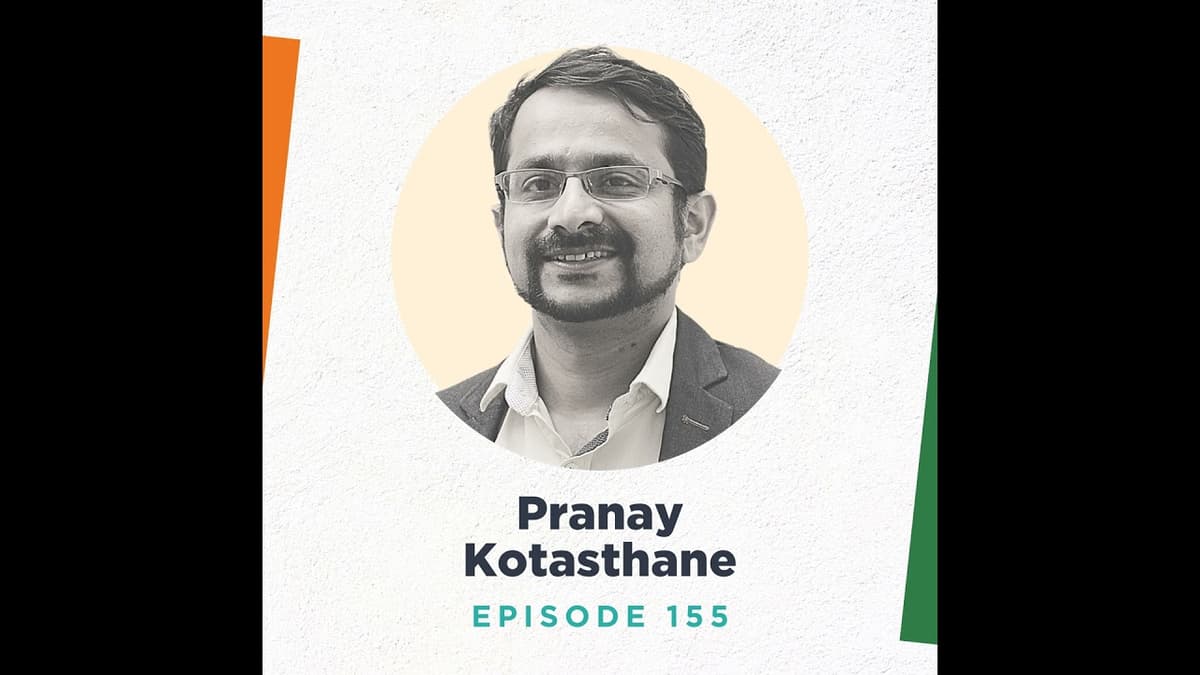
In a February 2 2026 interview, Takshashila deputy director Pranay Kotasthane dissected the political economy of rare earths and critical minerals, highlighting China’s overwhelming production dominance and India’s strategic ambitions. He explained the distinction between rare earths and broader critical minerals, noting...
The Macro Musings episode debates whether Bayesian forecasting is a passing fad or a lasting paradigm shift in macroeconomics. Panelists note that Bayesian econometrics, popular in the U.S., lets analysts embed prior beliefs, which is especially valuable when data are scarce....


