NASA Watch
Independent blog tracking NASA programs and space sector news, often with insider commentary and analysis.
Where Are Those 12,000 Artemis II Images?
A recent NASA Watch post highlights that the claimed 12,000 Artemis II images are virtually inaccessible. Searches on NASA’s Earth Observing Laboratory portal return only a single result, and the official Artemis and Moon webpages contain no links to the collection. The discrepancy raises questions about NASA’s image archiving and public disclosure practices. The issue underscores a broader challenge of locating mission media in a fragmented digital ecosystem.

Here’s To You, Ted Turner
Ted Turner’s founding of CNN in 1980 introduced the first 24‑hour news channel, reshaping how information is delivered worldwide. His hands‑on outreach secured political figures like Jerry Brown and enabled rapid coverage of crises, exemplified by the network’s on‑the‑fly reporting...
Janet Petro Is Retiring
NASA announced the retirement of Janet Petro, the longtime director of Kennedy Space Center, effective Friday. Petro’s nearly two‑decade tenure oversaw the conversion of the Shuttle‑era complex into a multi‑user spaceport and steered the early phases of the Artemis lunar...

Artemis II Crew Visits The White House – Again
The Artemis II crew, joined by billionaire spaceflight pioneer Jared Isaacman, returned to the White House for a second Oval Office briefing, this time with President Donald Trump. Unlike their 2003 meeting with President Biden, the conversation was dominated by topics...

NASA FY 2027 Budget Rodeo
The House Appropriations Committee released its FY 2027 Commerce‑Justice‑Science bill, allocating $24.4 billion to NASA—essentially the same amount the agency received in FY 2026. By contrast, the Office of Management and Budget (OMB) has submitted a FY 2027 request of $18.8 billion, a roughly 23%...
House Appropriations NASA Budget Hearing
NASA Administrator Jared Isaacman appeared before the House Appropriations Subcommittee on Commerce, Justice, Science, and Related Agencies on April 27, 2026 to present the agency’s FY 2027 budget request. The hearing, covered by NASA Watch, included a PDF of Isaacman’s statement...

NASA’s Red Wedding – Preview Or Paranoia?
NASA insiders are buzzing about a rumored agency-wide restructuring, nicknamed the “Red Wedding,” that could overhaul leadership across all centers. The speculation follows Administrator Jared Isaacman’s recent rollout of initiatives such as Project Athena, Core Competencies, Ignition, and NASA Force,...
Annual NASA Budget Cut Process Starts Up Again
Congress is reopening the annual NASA budget review as the House Science, Space and Technology Committee schedules a hearing on the FY2027 request on April 22. The hearing will feature NASA Administrator Jared Isaacman and follows recent announcements that the...
Experts Needed To Confirm/Affirm NASA Goddard Expertise
The National Academies have launched a congressionally mandated study to evaluate the technical and scientific capabilities at NASA's Goddard Space Flight Center. The effort will assemble a committee of roughly ten volunteer experts to assess advanced technologies, testing, systems development,...
The First Woman And First Person Of Color Just Went To The Moon
NASA’s Artemis program successfully landed the first woman and the first person of color on the Moon, marking a historic milestone for human spaceflight. The achievement came after the Trump administration removed the “first woman and first person of color”...

When Words Can’t Express The Wonders You’ve Seen
Keith Cowing, former NASA employee and founder of NASA Watch, reflected on a once‑in‑a‑lifetime moment when he and astronaut Scott Parazynski displayed four Apollo 11 moon rocks at the base of Mt. Everest. The anecdote resurfaced during a BBC World interview with astronaut...
That Time When NASA Was Closed And Never Mowed Its Runways
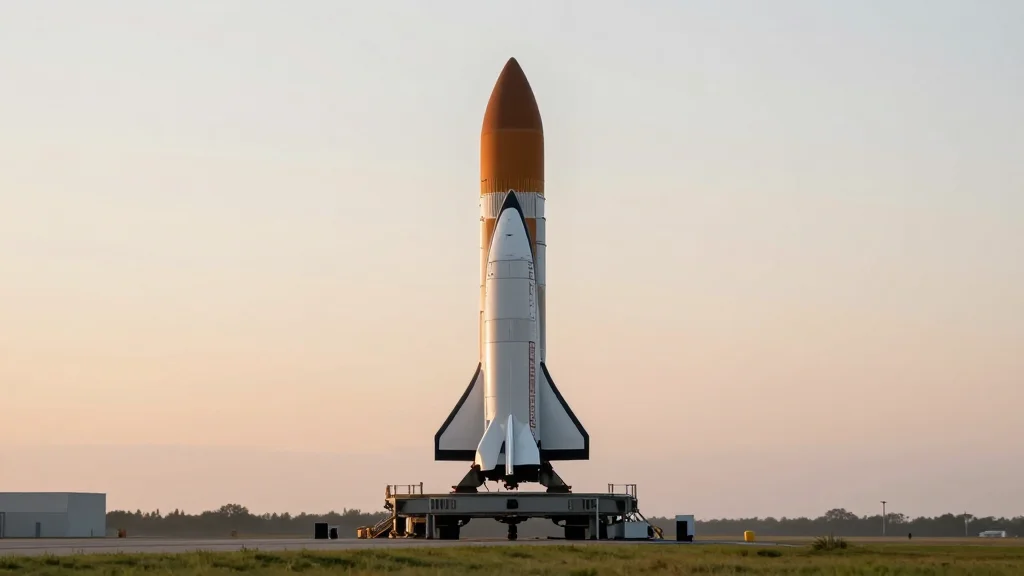
President Donald Trump claimed NASA was "closed" with grass growing on its Florida runways, a statement the blog post debunks as false. NASA remains fully operational, and its facilities have been maintained despite the political rhetoric. The post highlights that...
Artemis II Crew’s Excellent Adventure Recap
NASA’s Artemis II crew will hold a news conference on Thursday, April 15, 2026 at 2:30 pm EDT to discuss their upcoming lunar flyby. The briefing will be streamed live on NASA’s YouTube channel and other viewing options, with Keith Cowing providing real‑time commentary on...
NASA Force Job Applications
NASA has launched "NASA Force," a new hiring initiative created with the U.S. Office of Personnel Management. The program seeks highly skilled early‑to‑mid‑career engineers, technologists and innovators for focused term appointments lasting one to two years, with possible extensions. The...
NASA’s Global Reach Just Got Broader
NASA’s Artemis II mission successfully looped a 5.7 million‑pound rocket around the Moon and back, marking the deepest crewed venture since the Apollo era. The flight demonstrated the agency’s technical readiness for a future lunar landing and underscored its growing brand relevance....
National Initiative For American Space Nuclear Power
The White House’s Office of Science and Technology Policy issued a memo under Executive Order 14369, directing a National Initiative for American Space Nuclear Power. The plan calls for near‑term deployment of nuclear reactors on the Moon and in Earth...
Space Twitter’s Ad Hoc Heat Shield Analysis
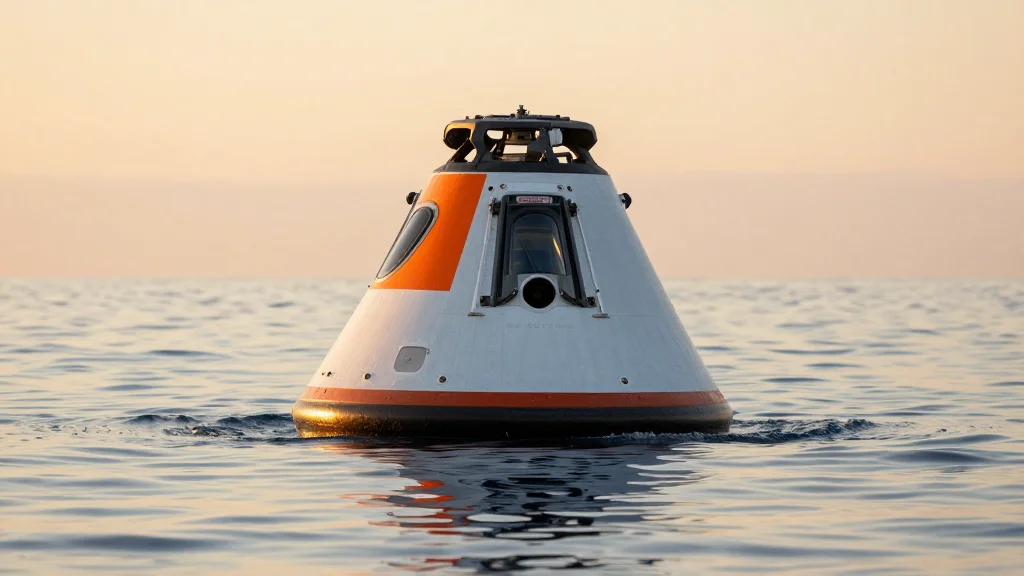
NASA’s Artemis II splashdown image sparked a wave of speculation on Space Twitter after a bright, colored patch appeared on the capsule’s heat shield. Influencers and arm‑chair experts quickly labeled it a potential problem, despite the picture’s low resolution. NASA Administrator Jared Isaacman...
Planetary Science Caucus Rejects NASA FY 2027 Budget Request
President Trump’s Office of Management and Budget released the FY 2027 budget request that slashes NASA’s total budget by 23% and trims the Science Mission Directorate by 47%. The proposal would cancel more than 40 planetary missions, including the high‑profile Mars...
Building Momentum
NASA’s Artemis II mission, the first crewed lunar flyby since Apollo, launched in early April 2026 after a modest start. Real‑time images of the Orion capsule sparked a surge of media attention, temporarily eclipsing the usual news cycle. The excitement is expected...
Ed Buckbee
Ed Buckbee, the inaugural director of the U.S. Space & Rocket Center, died at age 89. He assembled the world’s largest space and rocket exhibition and launched the iconic U.S. Space Camp and Aviation Challenge programs. His initiatives sparked the...

Isaacman Letter To NASA On FY 2027 Budget
Jared Isaacman’s letter to NASA staff highlights the FY 2027 budget request, praising the recent Ignition alignment and the successful Artemis II launch while warning that implementation will be the real test. He urges employees to stay mission‑focused and avoid politics, emphasizing...

NASAWatch on TV
NASAWatch founder Keith Cowing is appearing on several major television networks today, including CNN International, the BBC, and Deutsche Welle, to discuss NASA’s Artemis III mission and related space initiatives. The segments feature live launch coverage and expert analysis, with additional interviews...
The Next Chapter Of NASAWatch: Your Support Is Needed
Keith Cowing announced a soft launch of a crowd‑funding campaign to keep NASAWatch operational and fund a major site overhaul. After a rapid, 22‑hour rescue last year, the platform now seeks ongoing support to cover hosting, new talent, and development...
Doing Something Again For The First Time (Update)
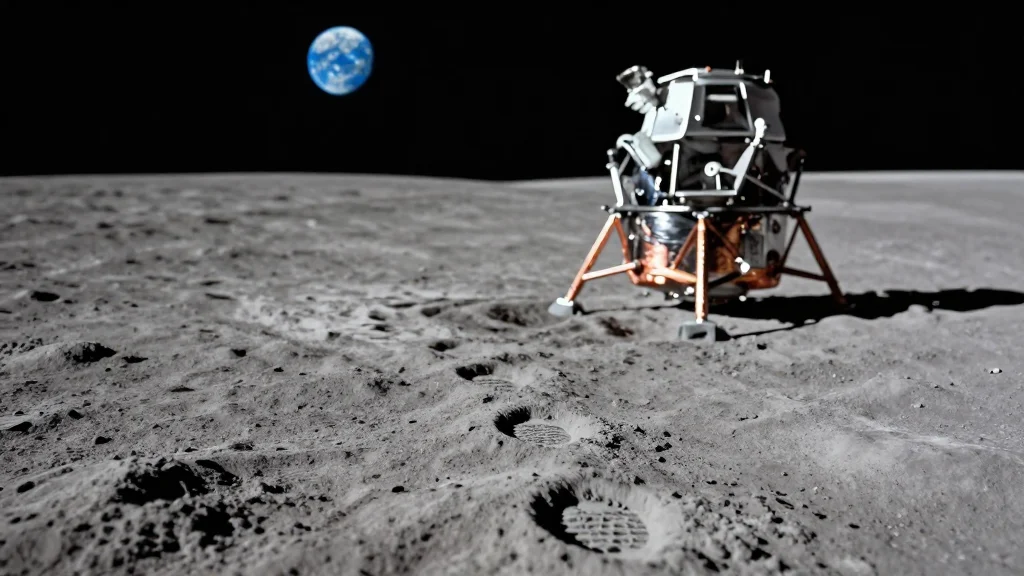
A new analysis highlights that roughly 75 % of the global population has never seen humans walk on another world, making the upcoming Artemis Moon landings the first live experience for most people. NASA’s Artemis program now plans to send astronauts...
Science Reorganization Planning At NASA Ames
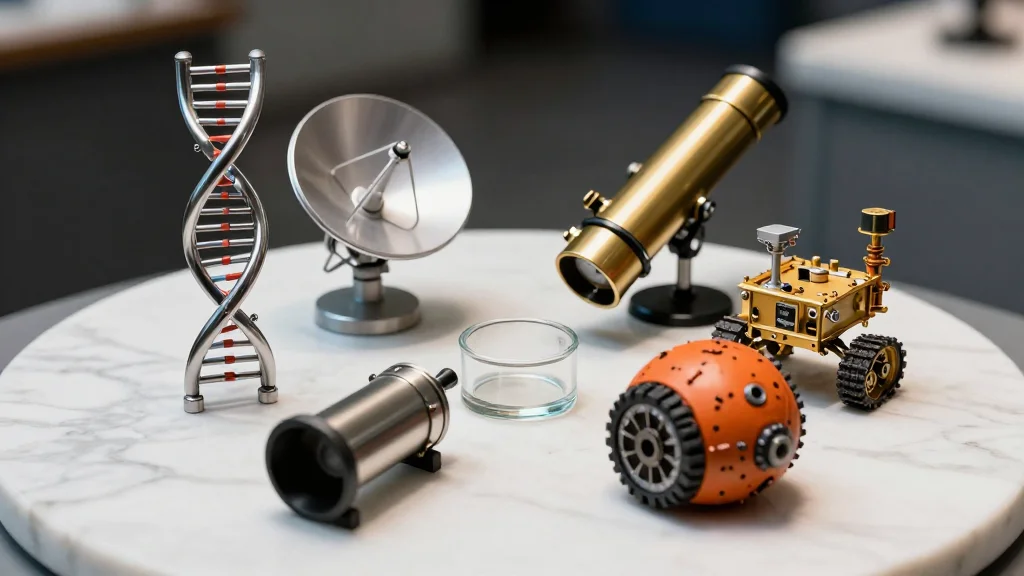
NASA Ames is evaluating a major restructuring of its Advanced Research and Development (ARC) Science Directorate. The plan would flatten the current directorate into four core divisions—Space Biosciences, Earth Science, Astrophysics, and Planetary Science/Astrobiology—by eliminating existing branches. In parallel, a...
Rethinking That Space Message
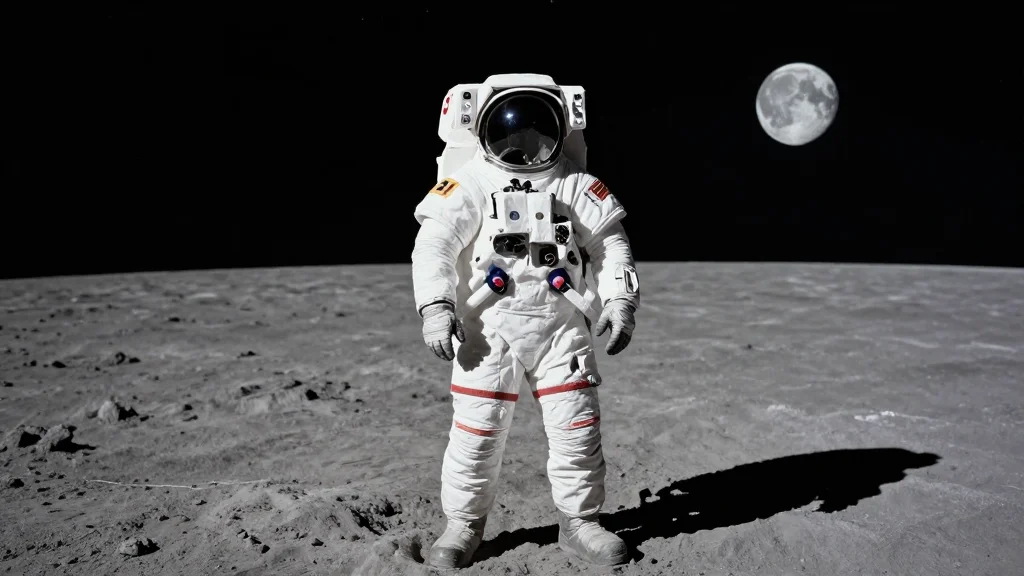
Keith Cowing warns that public awareness of Artemis II remains surprisingly low, despite the mission’s historic importance. He urges NASA to step out of its insular “space bubble” and communicate directly with everyday audiences. The post highlights Jared Isaacman’s claim that...
NASA How-To Guide For Artemis Interviews
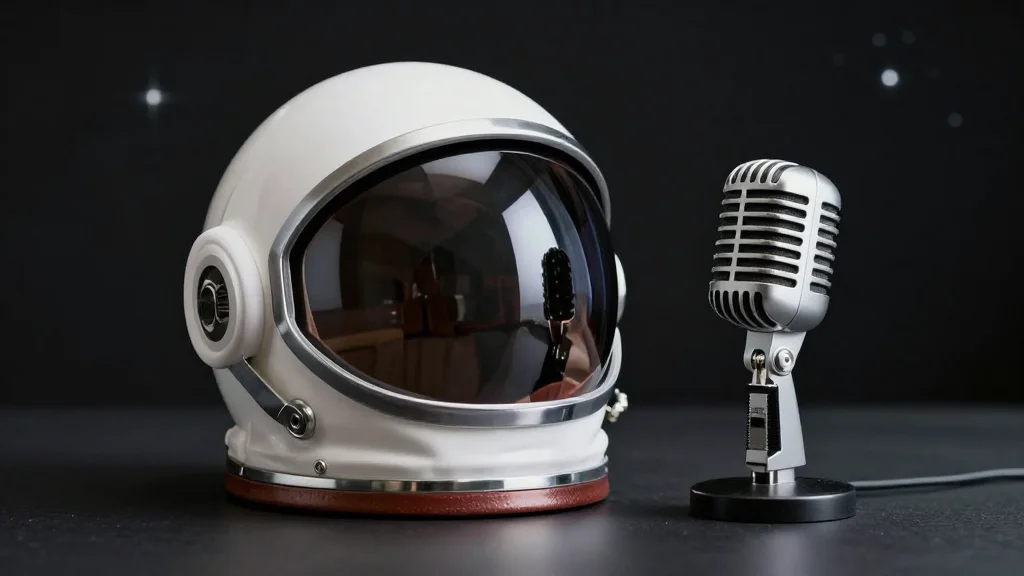
NASA’s Public Affairs Office released a how‑to guide for media interviewing the Artemis II crew, outlining vetted questions, a dedicated interview‑request portal, and a ban on political topics. The document standardizes the interview process to ensure consistent, technically accurate messaging as...
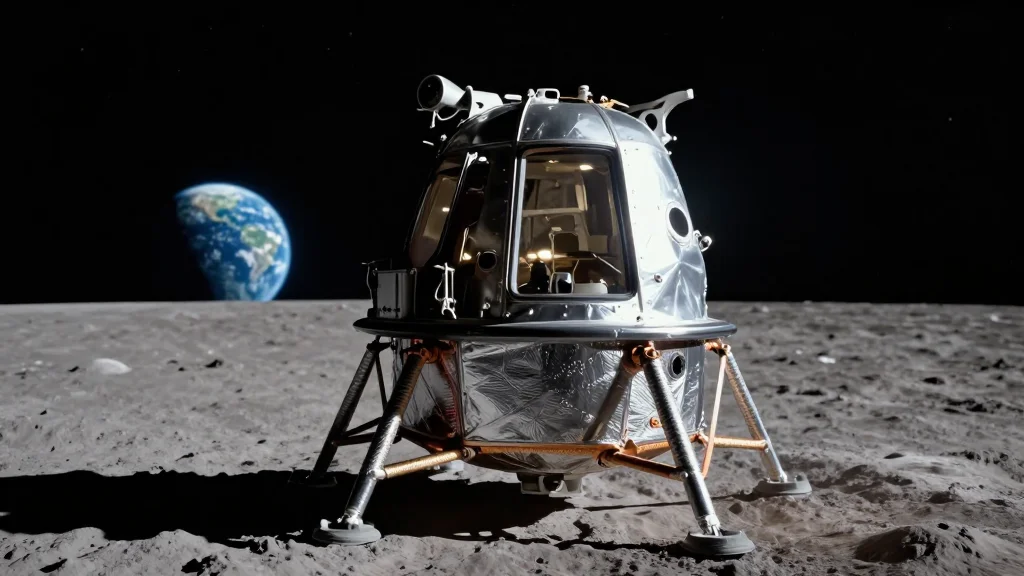
Ignition At NASA
NASA Administrator Jared Isaacman announced "Ignition," a strategic reset aimed at accelerating the agency’s return to the Moon and establishing a sustainable lunar presence. The plan prioritizes the Artemis program, with Artemis II slated for a crewed lunar flyby and Artemis III...
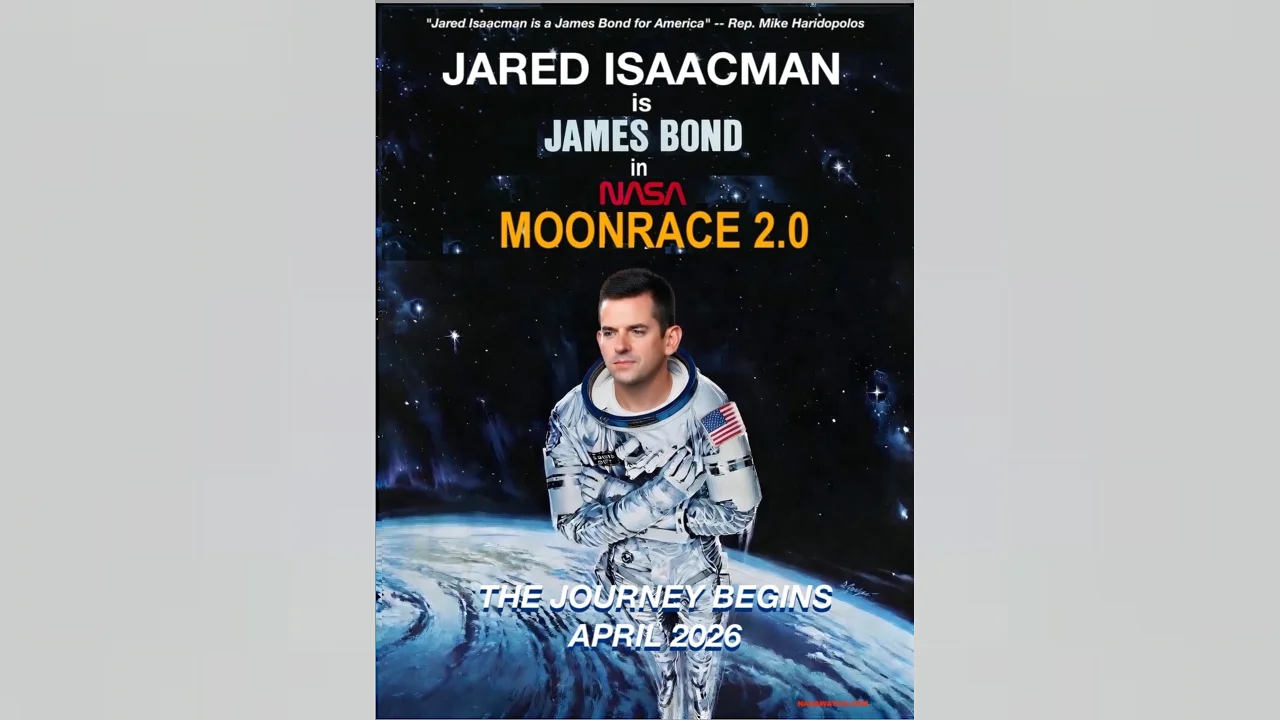
Isaacman, Jared Isaacman
NASA Administrator Jared Isaacman was praised at the Washington Space Business Roundtable luncheon for revamping the Artemis lunar program. Rep. Mike Haridopolos called him a “James Bond for America,” noting a dramatic turnaround in NASA’s public sentiment over the past year....
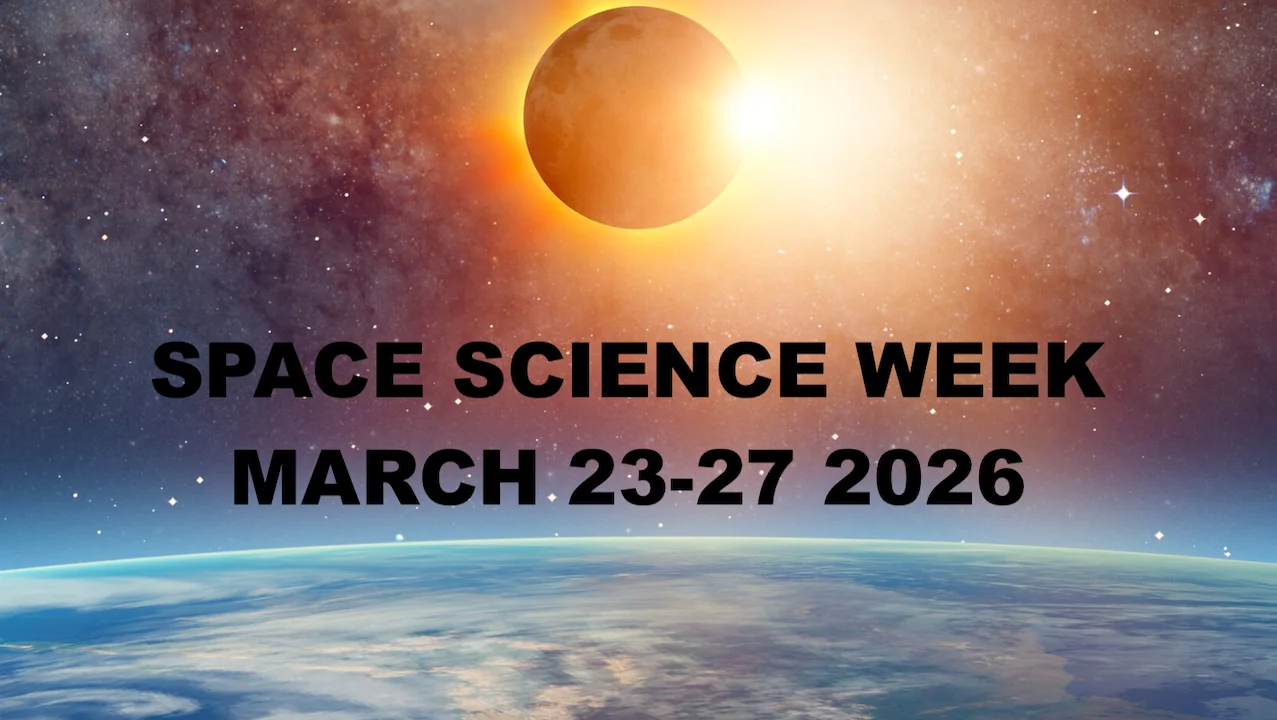
National Academies of Science Space Science Week 2026
The National Academies of Science announced Space Science Week 2026, scheduled for March 23‑27. The event will convene leaders from planetary protection, astrophysics, Earth science and space applications to discuss recent breakthroughs and future directions. Hosted at the Academies’ Washington, D.C.,...
NASA Small Bodies Assessment Group (SBAG) Update
The Small Bodies Assessment Group (SBAG) announced its 35th virtual meeting will occur June 8‑11, 2026, offering the small‑body community a platform for collaboration. NASA has recently ended direct funding for all eight planetary‑science Assessment Groups, prompting SBAG to reassess its role...
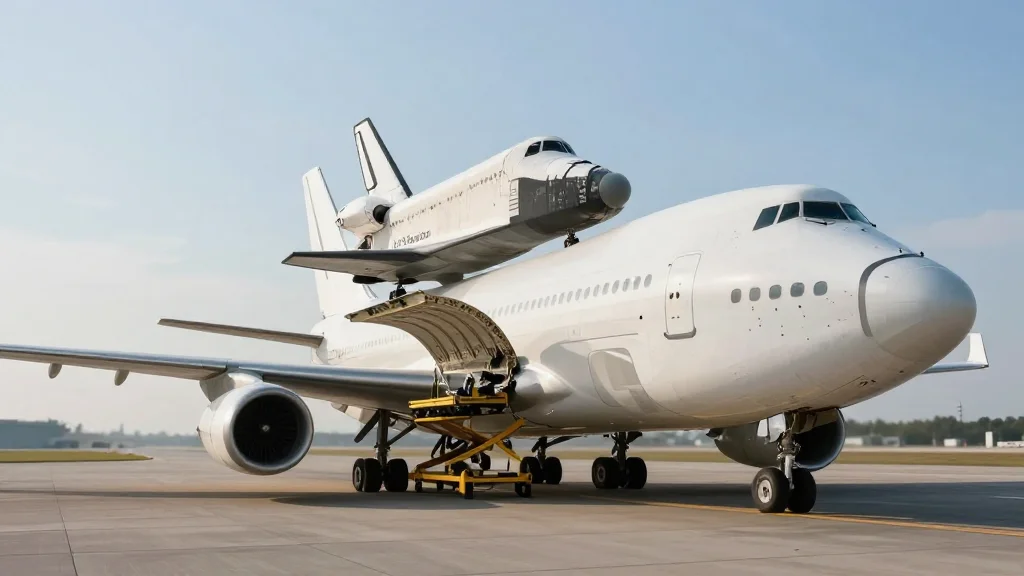
NASA Asks For Shuttle Relocation Ideas
NASA has issued a Draft Request for Proposal (DRFP) to create a Multimodal Transportation Multiple Award IDIQ contract for moving flown space vehicles, ranging from full‑size Shuttle orbiters to small capsules like Orion. The solicitation seeks industry input on engineering...
NASA Outreach Sugar Highs
NASA recently aired two high‑profile advertisements on CNN, featuring Credit One and Old Spice, to promote the upcoming Artemis II mission and the popular novel “Project Hail Mary.” The campaign delivers roughly twelve days of heightened public exposure before the buzz...
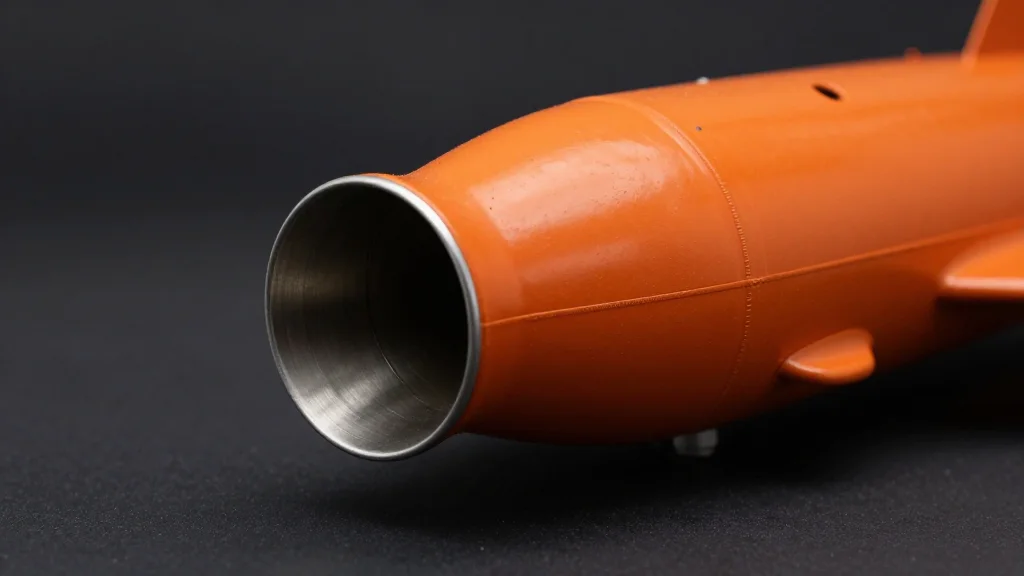
That Time Wernher Von Braun’s Rocket Tried To Kill My Father (Repost)
On March 18, 1945, Germany’s Battery 485 launched a V‑2 missile from The Hague that struck London minutes later, narrowly missing the father of NASA Watch founder Keith Cowing. The V‑2’s groundbreaking propulsion and guidance technology was seized after the war and...

Beauty Encountered During Ice World Exploration
Dale T. Andersen returned from the first of two 2026 astrobiology dives beneath Lake Untersee’s thick ice sheet in Antarctica. The expedition showcased the striking visual beauty and technical rigor of sub‑ice exploration, using a Kirby Morgan Exo‑26 full‑face mask, tethered safety lines,...
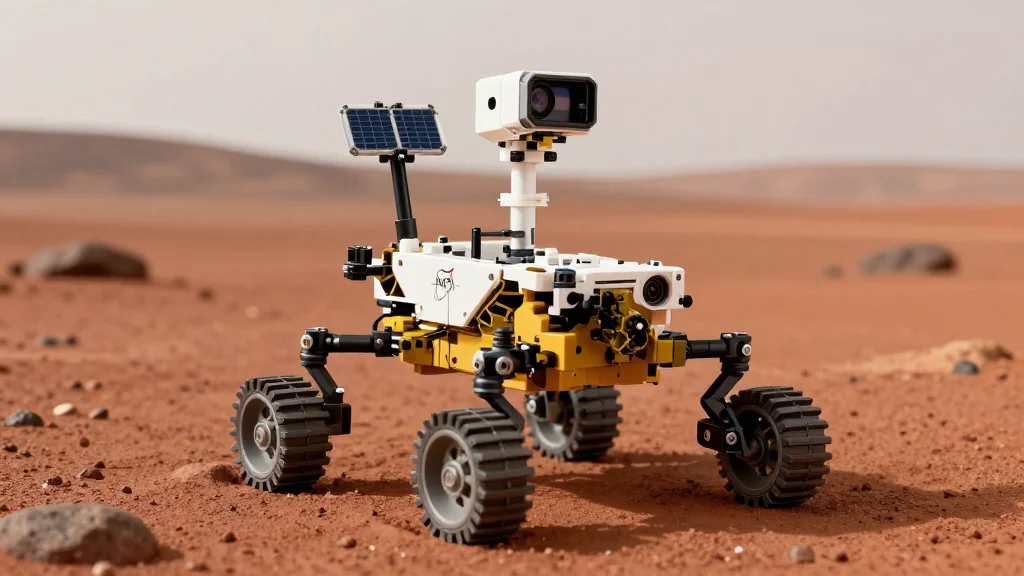
Build Your Own Mars Astrobiology Rover
NASA’s Perseverance and Curiosity rovers have demonstrated advanced autonomous capabilities on Mars, prompting interest in hands‑on education. A new DIY kit, the NASA Mars Perseverance Rover by CircuitMess, lets enthusiasts build and program a functional replica of the Perseverance rover. The kit...
Artemis II Launch Attempt Set
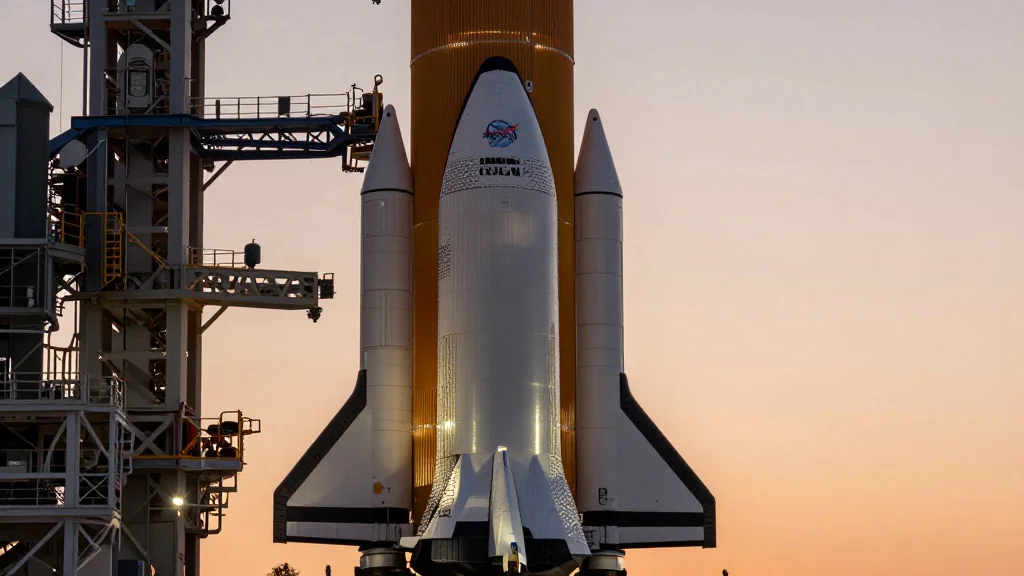
NASA’s crewed Artemis II mission is slated for a series of launch windows in early April, with the first attempt targeted for 1 April 2024 at 6:24 pm EDT and a backup on 2 April. All launch teams have signaled a GO, but officials highlighted a...
OIG Report: NASA Management Of Human Landing System Contracts
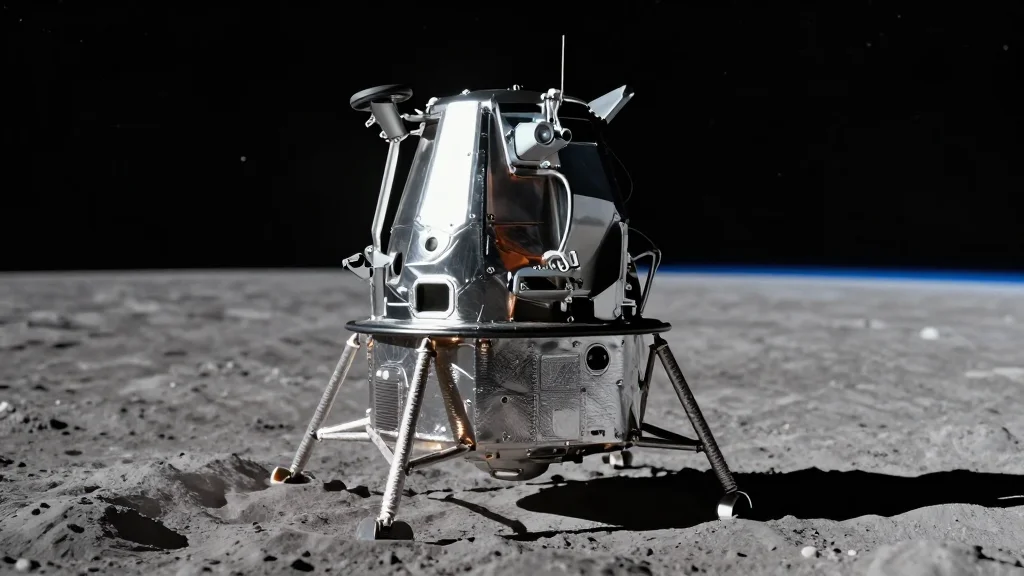
The NASA Office of Inspector General found that the agency’s acquisition strategy kept human landing system (HLS) cost growth modest—SpaceX contracts rose 6 percent and Blue Origin’s less than 1 percent. Both firms, however, are lagging behind schedule, with SpaceX’s...

Eric Ingram: The Power and Promise of Lunar Gravity
Eric Ingram released a detailed account of his two lunar‑gravity research flights, highlighting the first moment he could stand unassisted in reduced‑gravity conditions. The Substack post includes previously unseen photos and video from the second flight, illustrating how lunar‑gravity environments...
Honest Real Time Answers From NASA
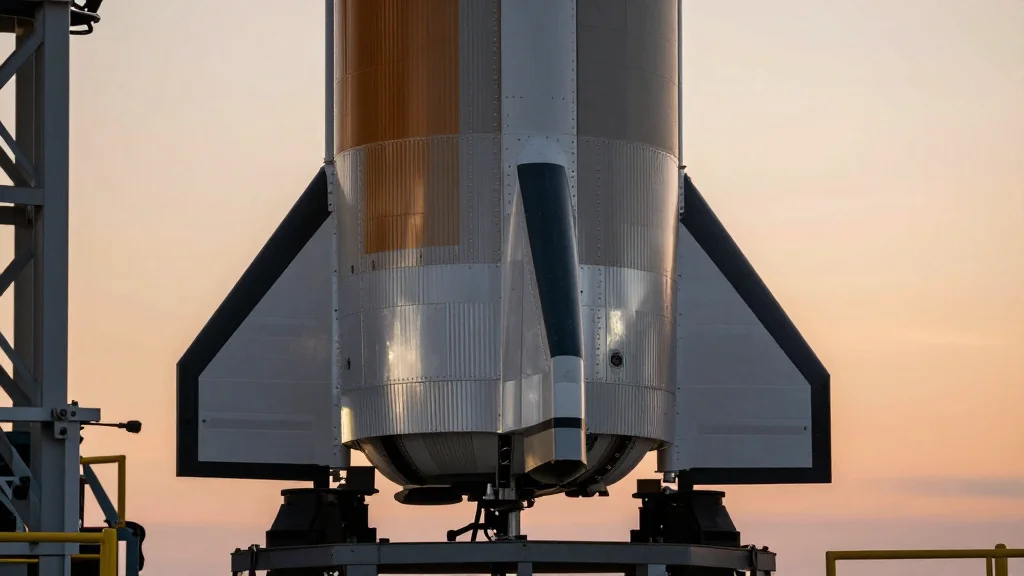
NASA Administrator Jared Isaacman answered a public query on Twitter in real time, rejecting the notion that the agency faces a budget shortfall. He highlighted that NASA receives roughly $25 billion annually, plus an additional $10 billion from the recent bipartisan funding...
Centaur V Upper Stage Added To Artemis IV and V
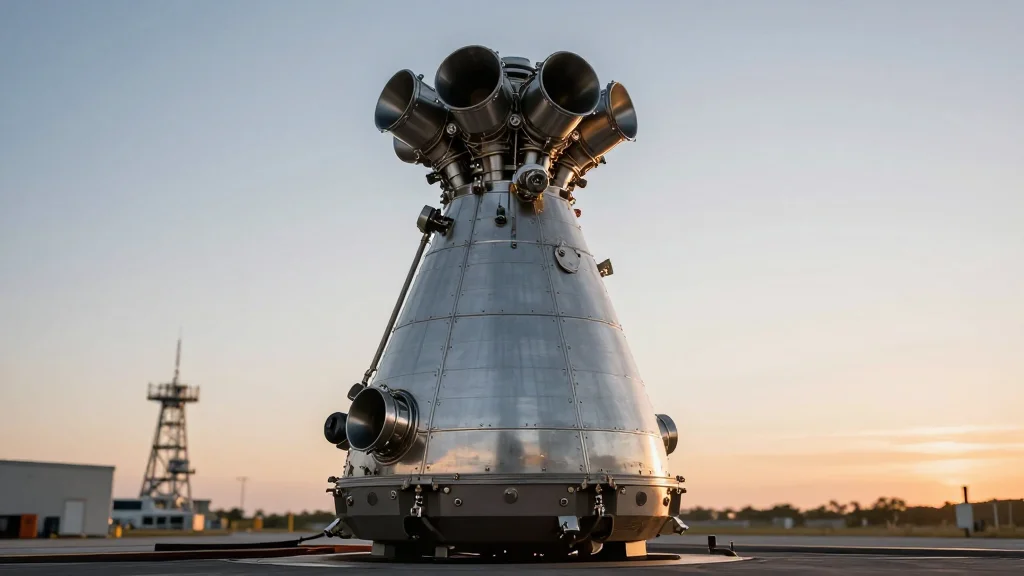
NASA’s Marshall Space Flight Center issued a procurement notice for a next‑generation upper stage, Centaur V, to be used on the Space Launch System’s Artemis IV and V flights. The agency will award the contract solely to United Launch Alliance, citing the...
And Now We Have “NASA Force”
NASA announced the launch of “NASA Force,” a two‑year term recruitment program in partnership with the U.S. Office of Personnel Management. The initiative will bring top aerospace, software, and systems engineers into the civil service workforce to restore core competencies...
Aerospace Safety Advisory Panel 2025 Annual Report Released
NASA's Aerospace Safety Advisory Panel released its 2025 annual report, spotlighting a new recommendation that NASA craft a comprehensive 20‑year strategic vision for space exploration and operations. The guidance stresses risk‑based decision‑making, clear communication, and defined criteria for make‑manage‑buy choices....
Stealth Project Hail Mary Town Hall At NASA JPL?
NASA Watch reports an unofficial X announcement about a town‑hall meeting at JPL tied to the upcoming film “Project Hail Mary.” The post, shared by a fan‑run account, suggests NASA may be leveraging the movie for cross‑promotional PR, yet no...
Petition: SAVE NASA’s GENELAB
NASA’s Biological and Physical Sciences Directorate plans to reduce funding for the Open Science Data Repository (OSDR) and GeneLab, including the Sample Processing Laboratory (SPL), starting in 2025. OSDR currently houses nearly 600 studies, 1,000 datasets across 45 species, and...
Another Artemis II Issue Arises (Update)
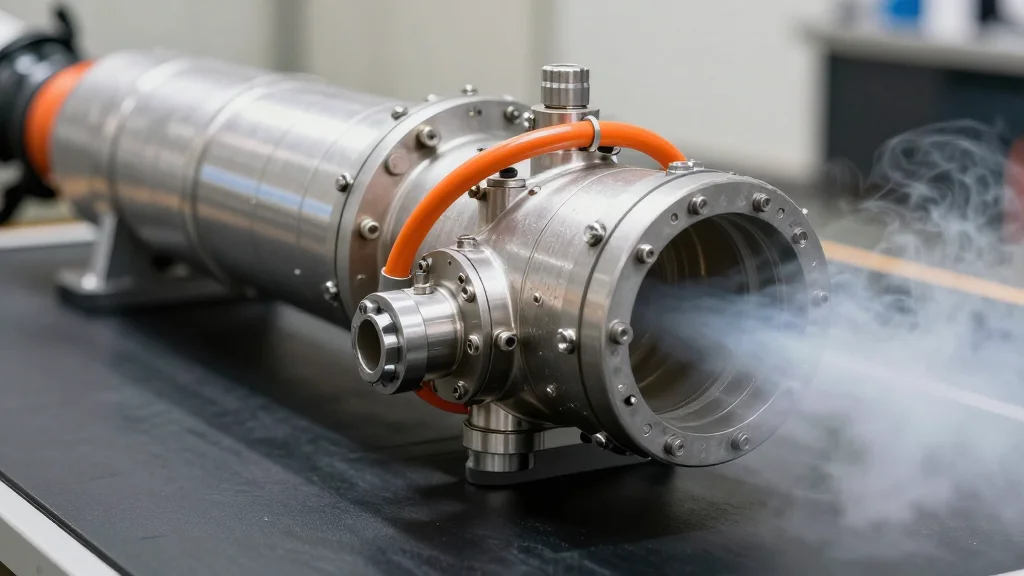
NASA had slated a no‑earlier‑than‑March 6 launch for Artemis II, but an unexpected interruption in helium flow through the Space Launch System’s interim cryogenic propulsion stage forced the agency to consider rolling the rocket and Orion spacecraft back to the Vehicle Assembly...
Diving Under The Ice At Lake Untersee To Do Astrobiology
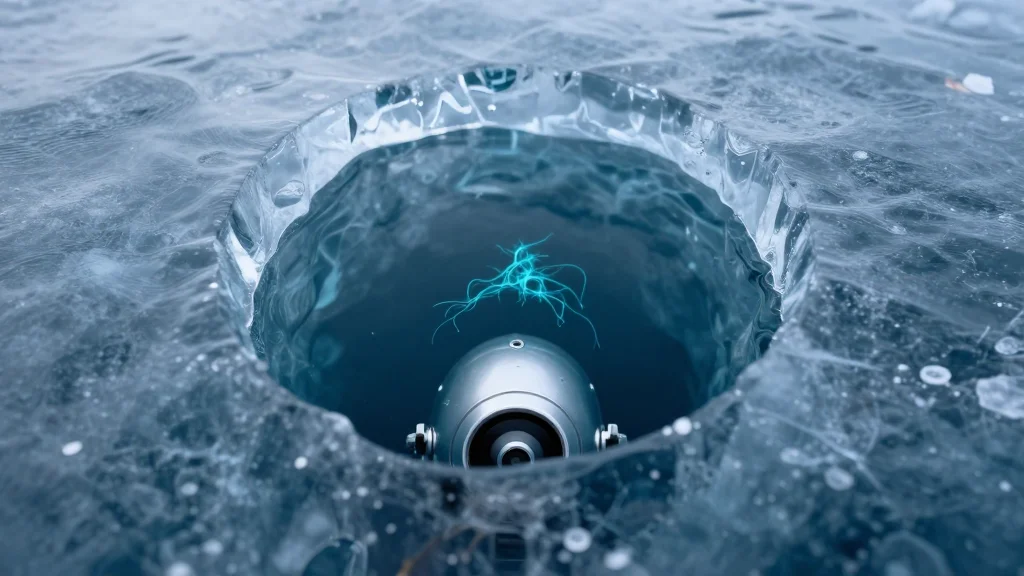
Astrobiologist Dale Andersen and his team are conducting under‑ice dives in Lake Untersee, Antarctica, to study extremophile microbes that could resemble life on icy worlds. The field season has faced variable weather, including snowstorms and 50 mph gusts, but the crew...
Some SMD Activities Paused Pending OMB Guidance
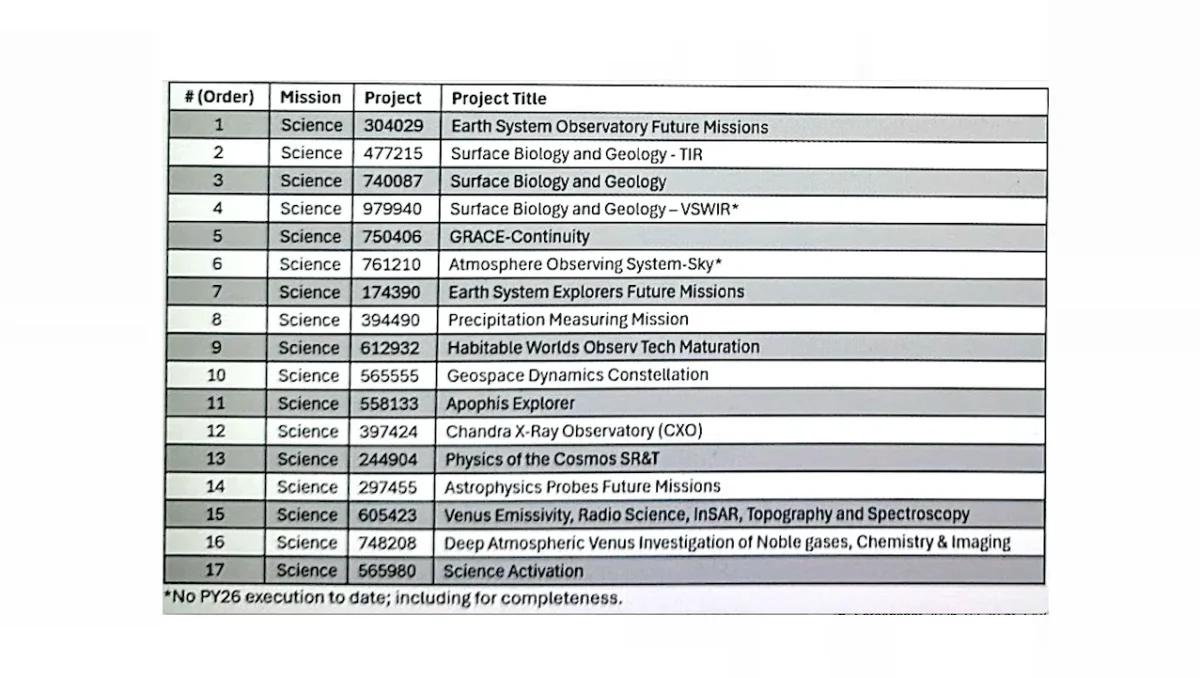
NASA Headquarters sent a memo to center CFOs ordering a pause on all new financial commitments for Science Mission Directorate projects funded by the SCEX22026D account in FY 2026, with payroll as the only exception. The hold, expected to last ten...
Workforce Directive: Restoring NASA’s Core Competencies
NASA Administrator Jared Isaacman issued a Workforce Directive aimed at restoring the agency’s core engineering and operational competencies by reducing reliance on contractors. The plan calls for 30‑day assessments of outsourced work and a 60‑day transition strategy to convert key...

NASA Needs To Leverage Its Cool Tech Better
NASA’s Perseverance rover completed the first drive on another planet that was planned entirely by artificial intelligence, showcasing a breakthrough in autonomous space navigation. The mission leveraged Anthropic’s Claude AI models in collaboration with JPL, aligning with the White House...