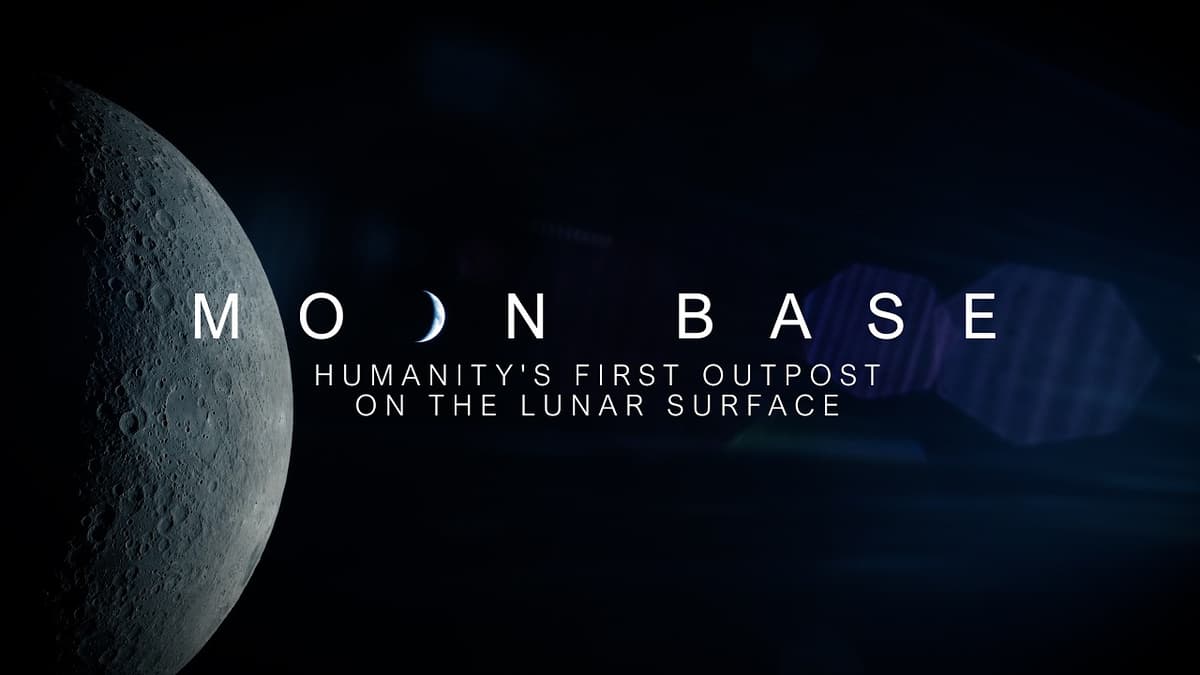
Moon Base: Humanity's First Outpost on the Lunar Surface (Official NASA Trailer)
The official NASA trailer announces the Artemis II mission, positioning it as the launch of the agency’s most powerful rocket and the first step toward a permanent lunar outpost. The film emphasizes a sustained human presence at the Moon’s south pole, where harsh terrain, extreme cold and variable lighting present both challenges and resource opportunities. Robotic precursors will scout, test habitats and extract water ice before astronauts arrive. Lines such as “A golden age of lunar exploration has begun” and “the near‑impossible will become possible” underscore the program’s ambition, while the promise of scientific discovery and resource utilization is highlighted throughout. By establishing a Moon base, NASA aims to validate technologies for Mars, spur commercial lunar ventures, and deepen humanity’s understanding of the cosmos, creating long‑term economic and strategic benefits.
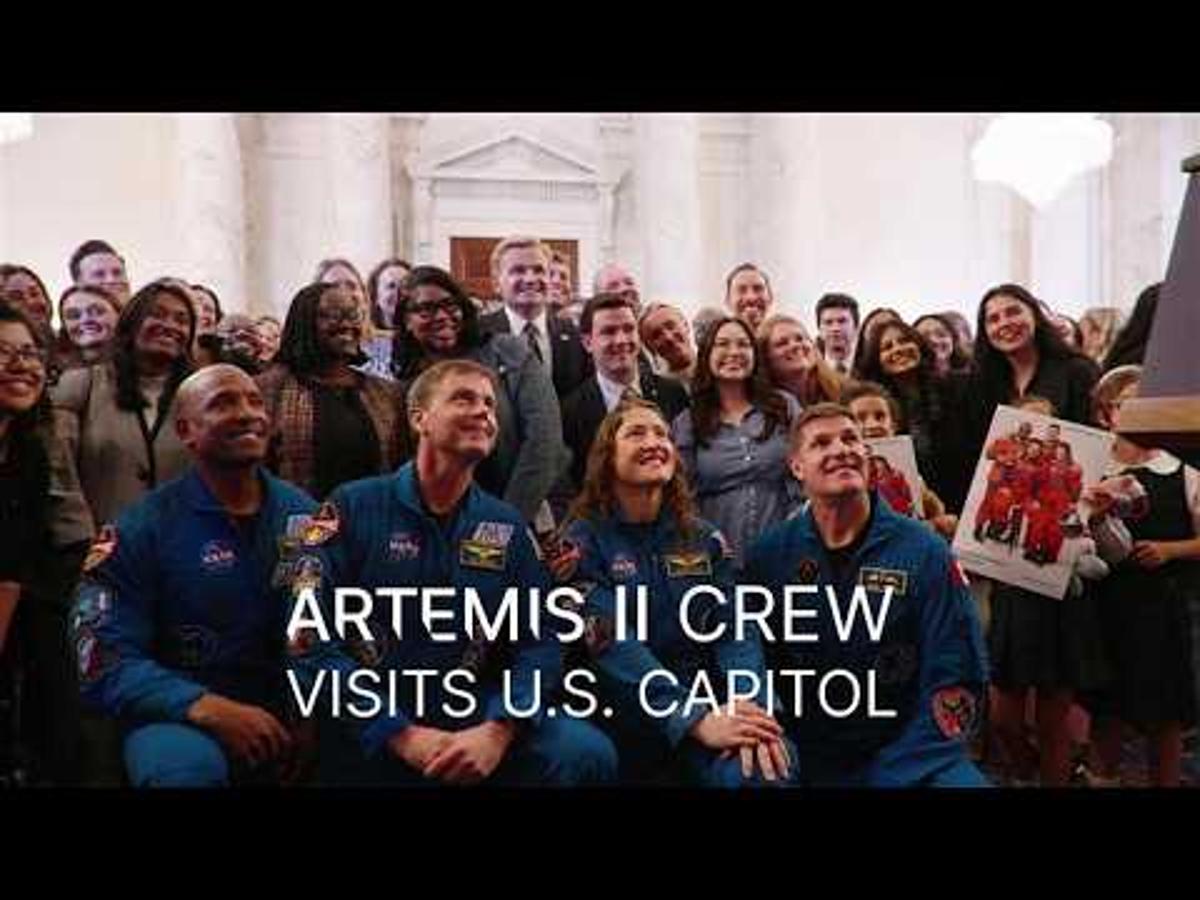
NASA's Artemis II Crew Visits the U.S. Capitol
The Artemis II crew made a historic stop at the U.S. Capitol on Thursday, where lawmakers and officials greeted the astronauts and highlighted the mission’s symbolic importance for national pride and space policy. Speakers emphasized that the crew’s success rests on a...
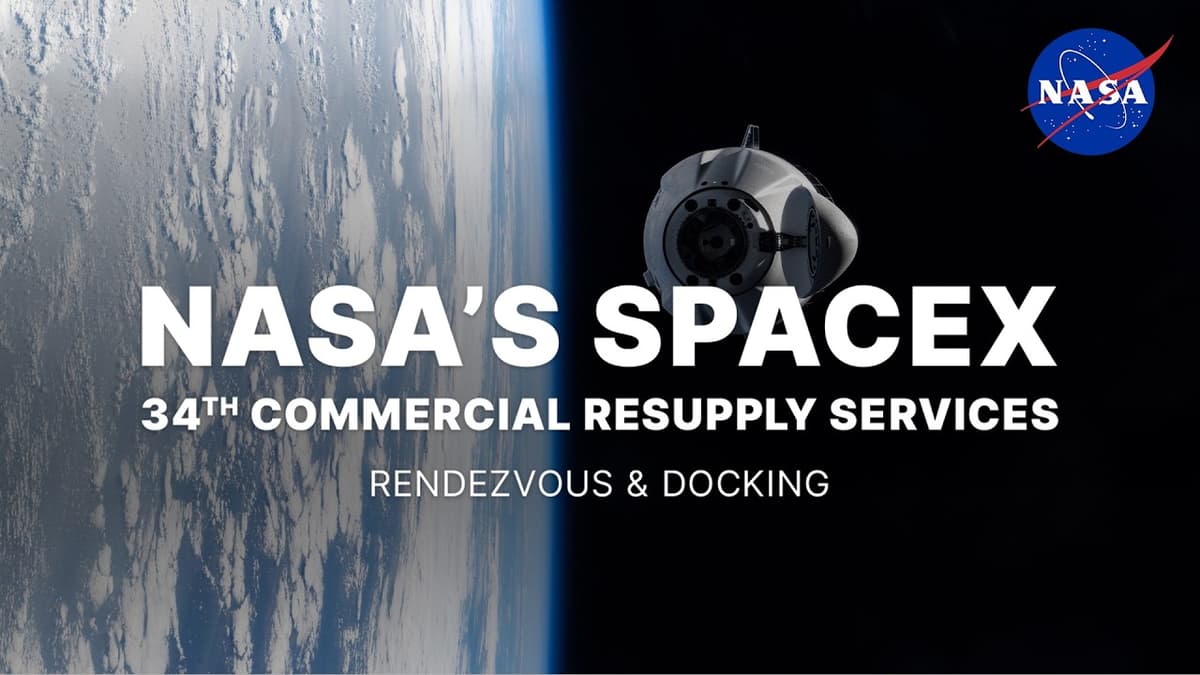
NASA's SpaceX 34th Commercial Resupply Services Rendezvous and Docking
NASA’s Mission Control in Houston broadcast the live approach of SpaceX’s 34th Commercial Resupply Services (CRS‑34) Dragon cargo vehicle as it closed in on the International Space Station. After a 37‑hour, 6,500‑pound journey launched from Cape Canaveral, the spacecraft performed an...
NASA YouTube (Official Channel Trailer)
The video is NASA’s official channel trailer, stitching together live footage of a recent launch, a historic Moon touchdown, and the Perseverance rover’s arrival on Mars. It emphasizes the agency’s real‑time streaming capabilities, inviting viewers worldwide to experience the missions...
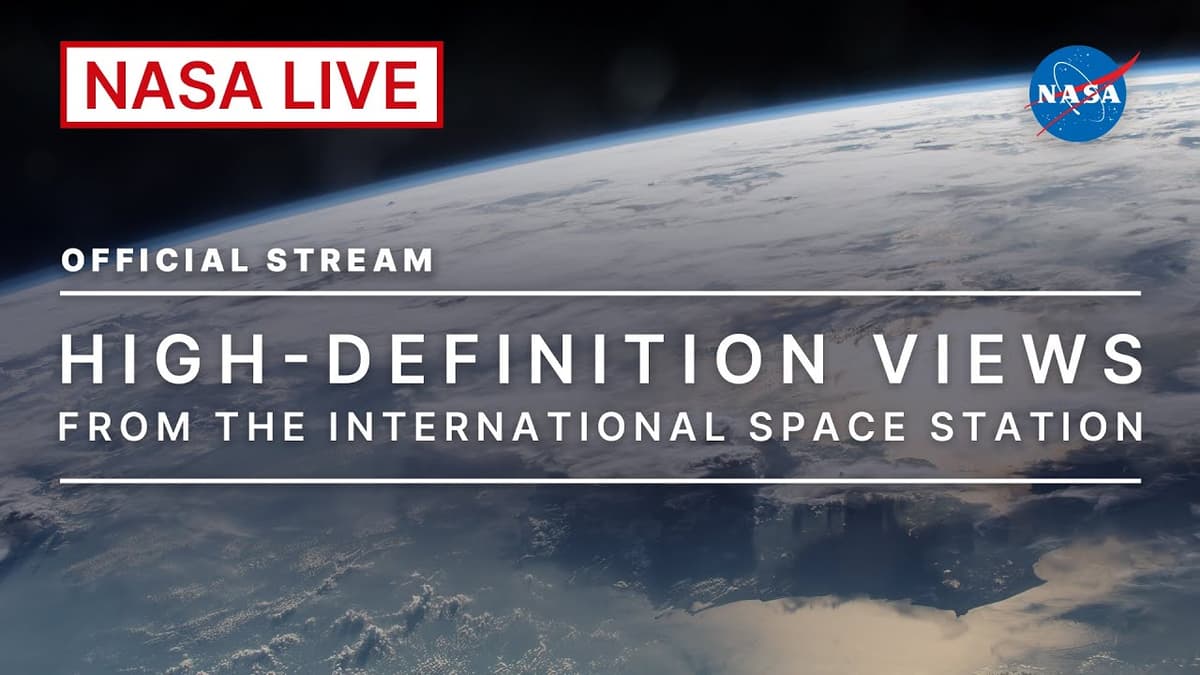
Live High-Definition Views From the International Space Station (Official NASA Stream)
The live NASA stream blended routine ISS maintenance with a public outreach segment, showcasing real‑time video from orbit while crews coordinated hardware fixes with ground control. Technical dialogue focused on fastening screws 10 and 11; a misaligned grounding strap impeded torque,...
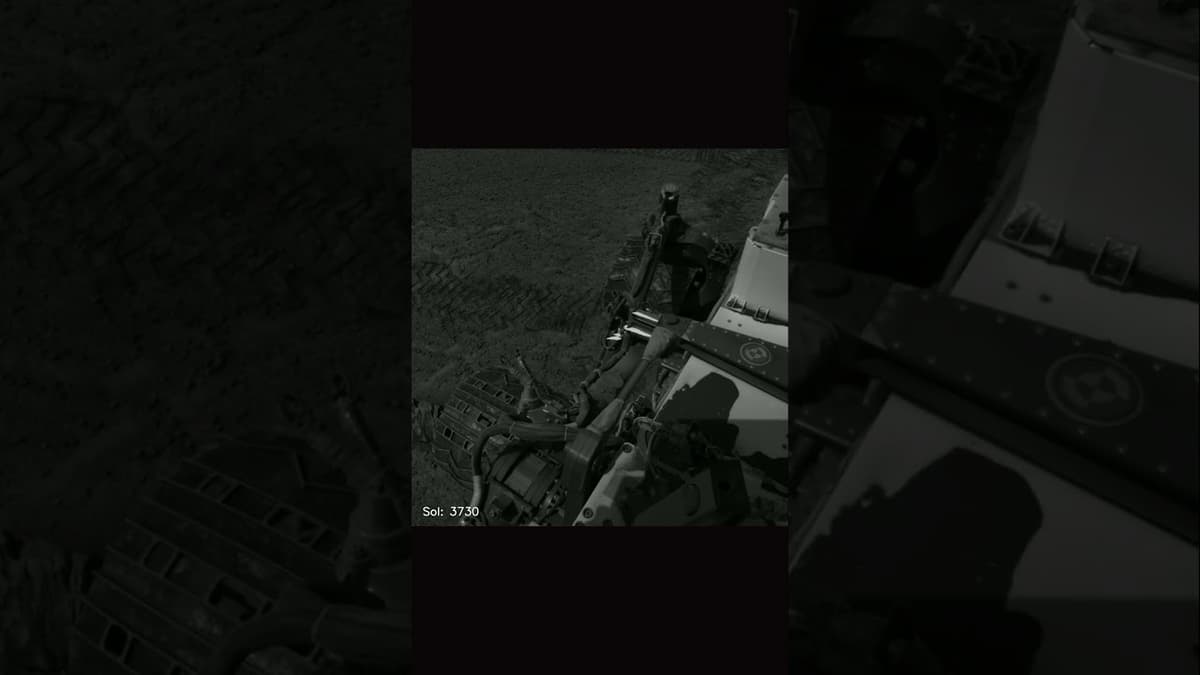
Six Years of NASA's Mars Curiosity Rover
NASA’s Curiosity rover has compiled a six‑year time‑lapse of Martian terrain, spanning 2020 to 2026. The video stitches together tens of thousands of images that the science team used to pinpoint promising rock outcrops for detailed study. By visualizing the...
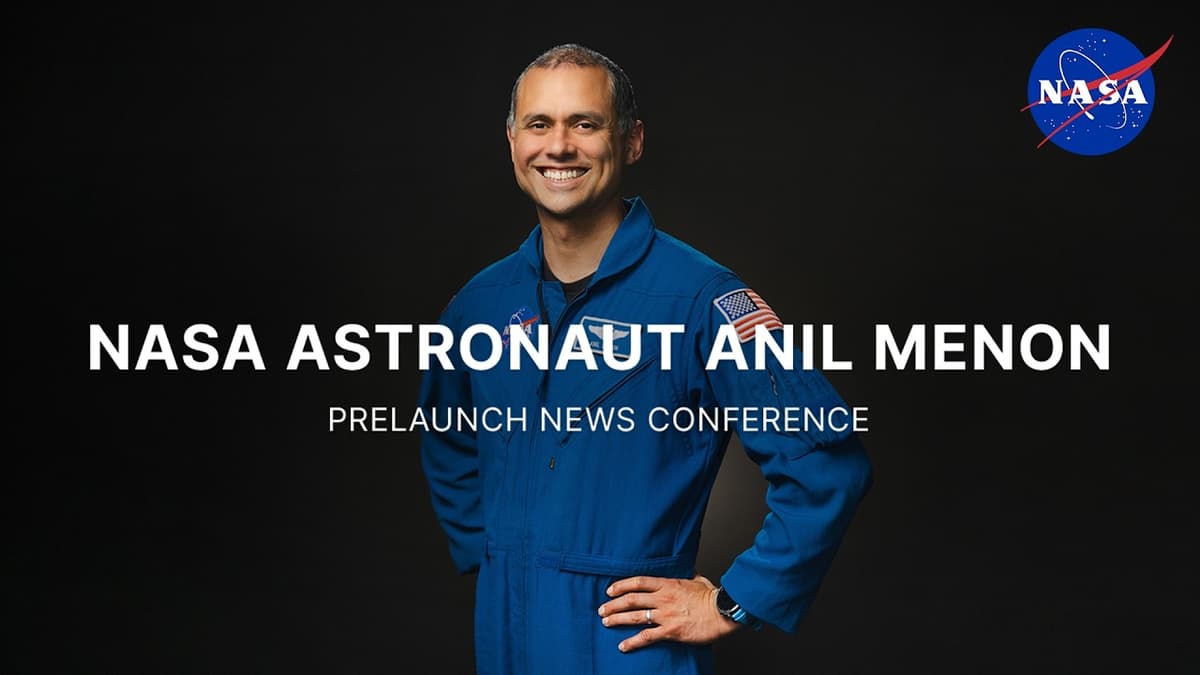
NASA Astronaut Anil Menon Prelaunch News Conference (April 29, 2026)
NASA’s Johnson Space Center hosted astronaut Anil Menon’s pre‑launch briefing for the Soyuz MS‑29 flight, slated for July 14, 2026. Menon will join Russian cosmonaut Pyotr Dubrov and Russian‑American astronaut Anna Kikina for an eight‑month stay on the International Space Station, marking one...
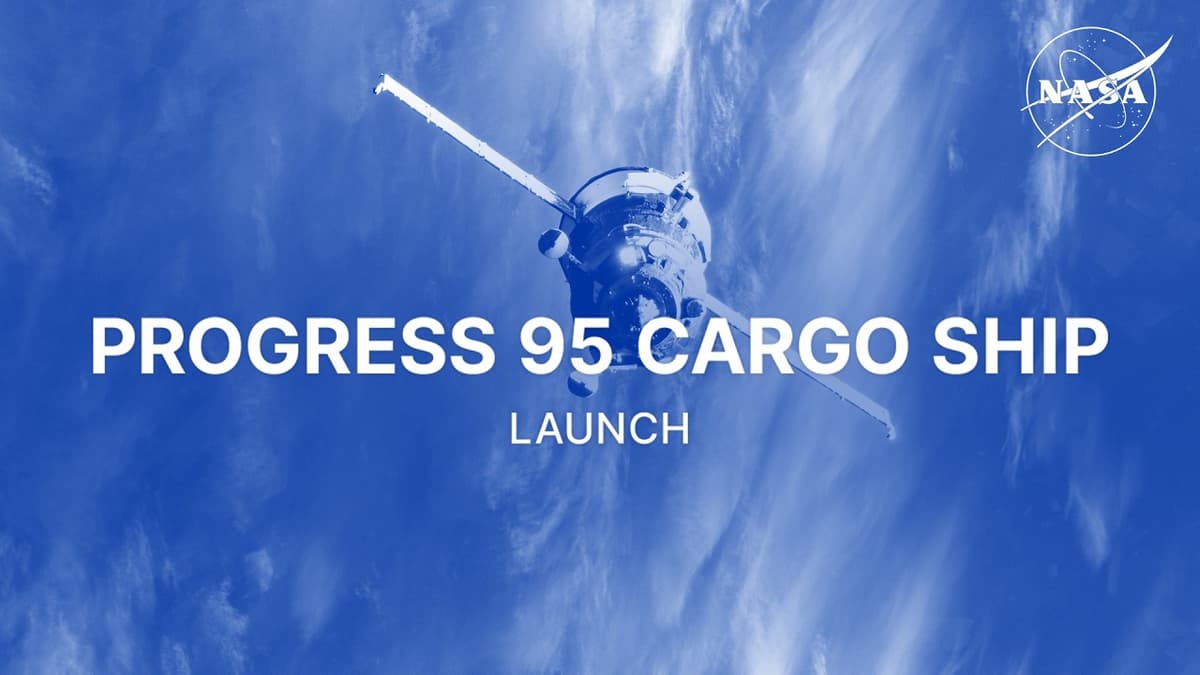
Progress 95 Cargo Ship Launch
The video chronicles the launch of the Russian Progress‑95 cargo vessel aboard a Soyuz 2.1 booster from Baikonur’s Launch Pad 6. The three‑stage rocket lifted off at 5:21 p.m. Central Time, beginning an eight‑minute, forty‑six‑second ascent that placed the unpiloted Progress into a...
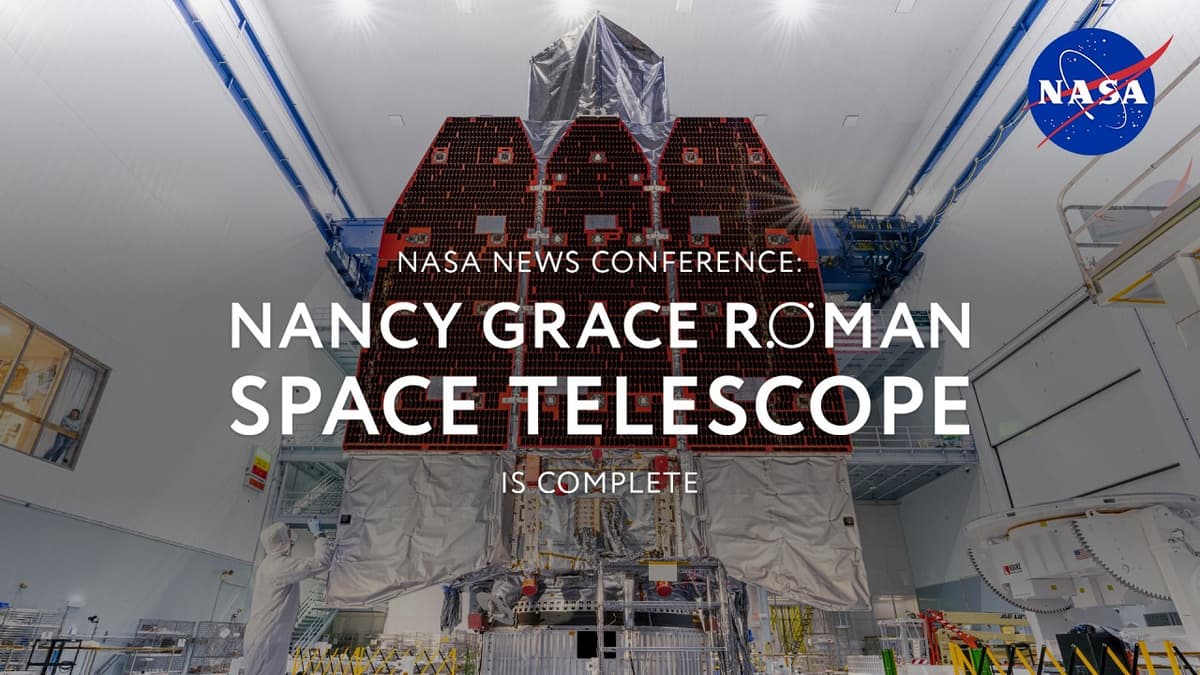
NASA News Conference: Nancy Grace Roman Space Telescope Is Complete
NASA held a news conference announcing that the Nancy Grace Roman Space Telescope is fully assembled, tested and ready for a September launch, marking the first major flagship mission to reach completion ahead of schedule and under budget. The agency...

NASA Celebrates America’s 250th Birthday
NASA’s commemorative video marks the United States’ 250th anniversary, weaving the nation’s founding ideals with its space legacy. The narration traces a line from the 13 colonies through frontier conquest, moon landing, and today’s Mars rovers and next‑generation telescopes, underscoring a...
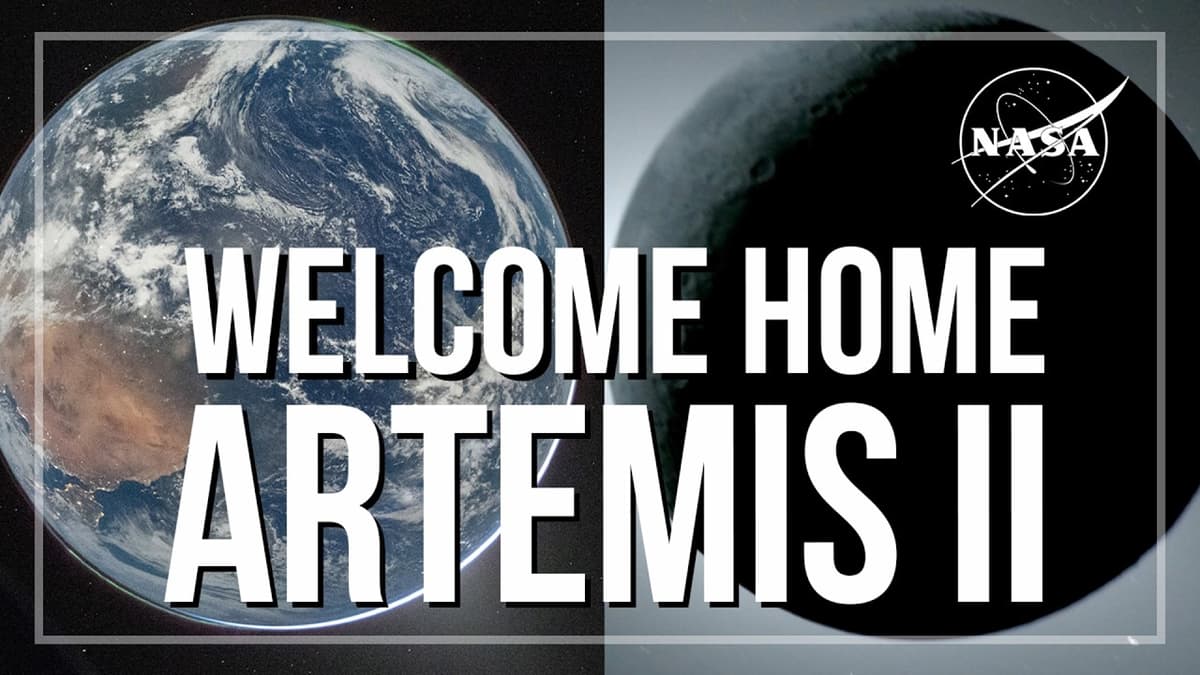
Welcome Home, Artemis II (Official NASA Recap)
NASA released an official recap of Artemis II, the agency’s inaugural crewed flight of the Space Launch System (SLS). The launch lifted off from Kennedy Space Center, propelling four astronauts—Commander Reid Wiseman, Pilot Victor Glover, Mission Specialist Christina Koch, and Canadian...
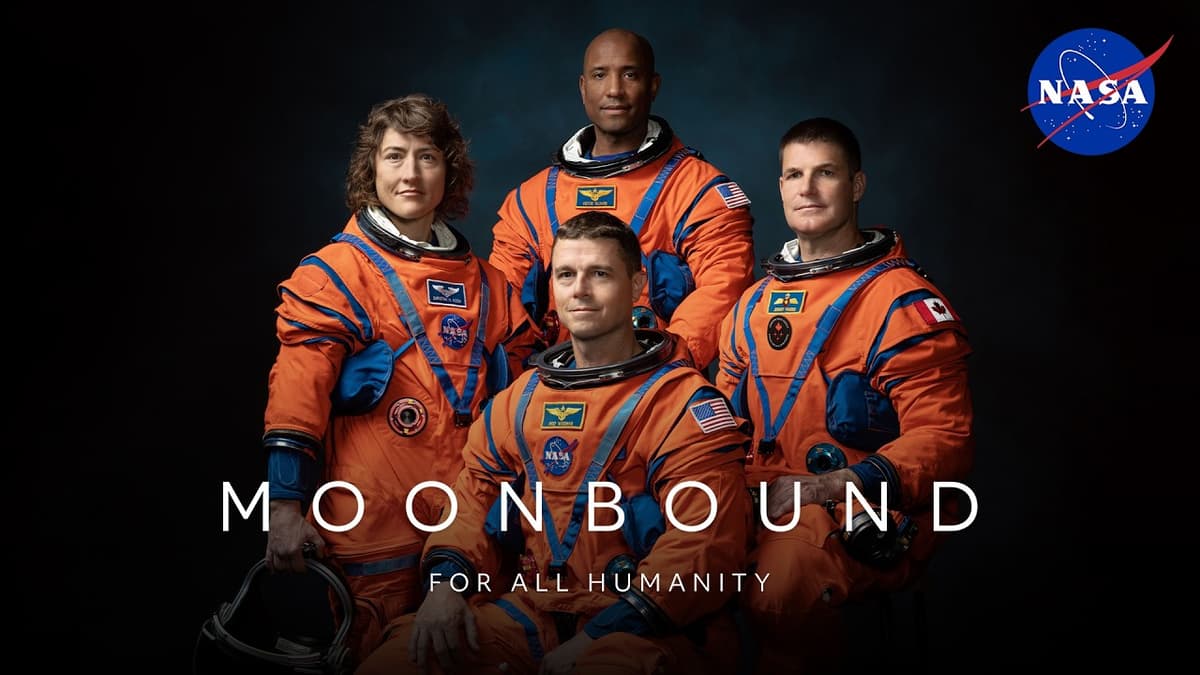
Moonbound Episode 2 | For All Humanity
The video introduces NASA’s Artemis 2 mission, the first crewed flight of the Orion spacecraft that will circle the Moon before returning to Earth. It also showcases a symbolic flag that has flown on STS‑1, STS‑135 and the Demo‑2 SpaceX mission,...
Moonbound Episode 1 | Charting the Course
The video introduces Artemis 2, NASA’s first crewed lunar flyby since Apollo, detailing its objectives, crew, and the broader Artemis campaign aimed at establishing a sustainable presence on the Moon and eventually Mars. It explains that Artemis 2 will test critical new systems—life‑support,...
NASA Force: The Next Era of NASA Starts with You
NASA announced the "NASA Force" initiative, a targeted recruitment drive aimed at early‑to‑mid‑career engineers, technologists, and innovators. Partnering with the Office of Personnel Management and NASA’s Director of Human Capital, Scott Cooper, the program seeks to fill one‑to‑two‑year appointments that...

NASA’s Northrop Grumman Commercial Resupply Services 24 Launch
NASA’s Northrop Grumman Commercial Resupply Services‑24 (NG‑24) lifted off at 7:41 a.m. Eastern from Space Launch Complex 40, carrying the Cygnus XL cargo vessel – christened S.S. Steven R. Nagel – toward the International Space Station. The launch marked SpaceX’s second ISS mission this year and...