
Scaramucci: Oil Panic Won’t Last Forever #OilPrices #Iran #Markets
Former White House aide Anthony Scaramucci warned that the current oil‑price panic, driven by the protracted Ukraine conflict, is likely a temporary market reaction rather than a permanent shift. He noted that wars inevitably end—citing historical examples from the Peloponnesian War to Afghanistan—and believes the Ukraine war will resolve within six to twenty‑four months. In the meantime, he expects short‑term volatility to spill over into bond markets, but the underlying long‑term oil demand trend remains bullish. Scaramucci emphasized his optimism, quoting, “optimists make money; pessimists sound smarter temporarily,” and urged investors not to be caught off‑guard by fleeting negative sentiment. The takeaway for traders is to stay cautious, avoid panic‑selling, and position for upside as the market corrects, recognizing that a resolution of the conflict could restore stability to both oil and fixed‑income markets.
Daniel Lacalle: The Monetary Tsunami Is Coming
In a recent interview, economist Daniel Lacalle warns that the “monetary tsunami” is not a relic of the pandemic‑era stimulus but an imminent wave that will hit developed economies. He points out that the explosive money‑supply growth and soaring deficits from...
The Last Hedge Left in This Market
Mike McGlone, senior commodity strategist at Bloomberg Intelligence, argues that long‑term U.S. Treasury bonds, now yielding close to 5%, could serve as the market’s last hedge. With equities, gold, copper and crypto all flashing risk signals, the 30‑year Treasury acts...
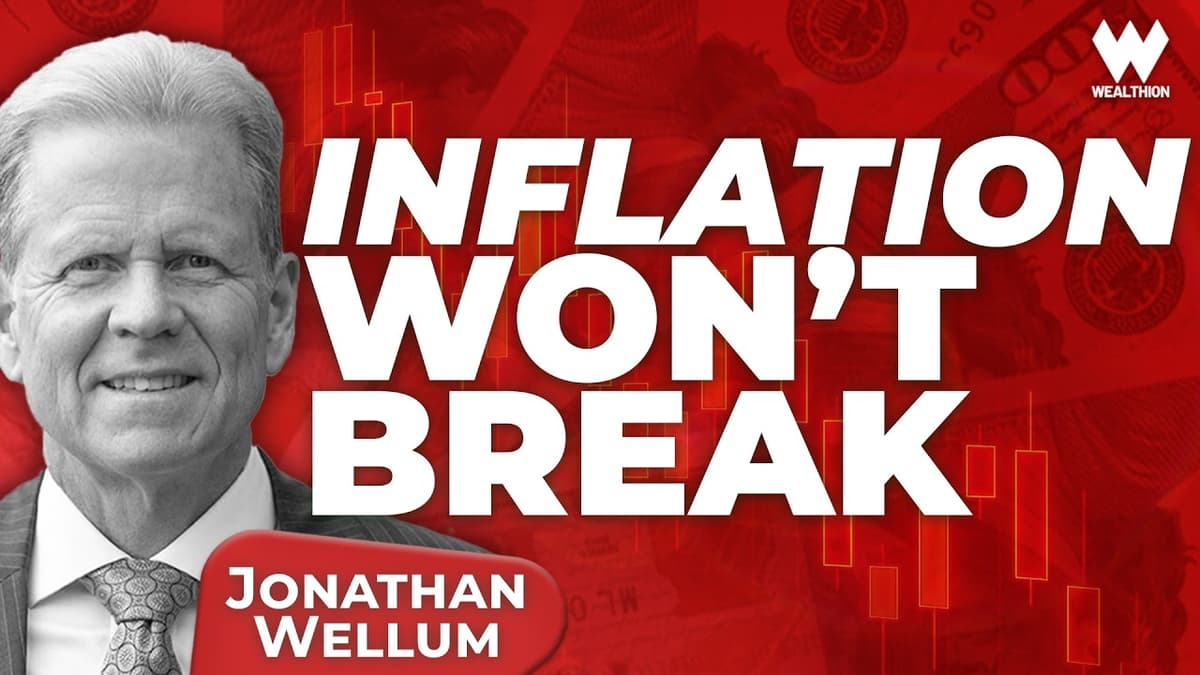
The AI Bubble Is Real — And Commodities Are the Escape Hatch
The interview centers on the persistence of inflation, soaring global debt, and the emerging AI investment boom, arguing that commodities may serve as the primary hedge against these macro pressures. Jonathan Wellm notes inflation will likely hover around 2‑3% as oil...
Gold & Silver May Face a Shakeout Before the Next Big Rally | Chris Vermeulen
The video examines the current state of gold and silver, highlighting a classic mixed‑signal environment: a rising long‑term trend contrasted with short‑term weakness. Chris Vermeulen stresses that the 150‑day moving average remains upward, framing the metals in a potential bull‑flag...
You’re Not Broke — You’re Overspending | Jonathan Wellum
The video features Jonathan Wellum urging listeners to treat overspending as a solvable problem by embracing frugality and disciplined budgeting. Drawing on a 2007 Berkshire Hathaway Q&A where Charlie Munger answered, “spend less than you make,” Wellum frames living below...
8% Interest Rates? Chris Vermeulen Warns the Bond Market Could Break
The interview centers on Chris Vermeulen’s warning that an 8% interest‑rate environment could trigger a sharp bond‑market collapse, even as equities rally. He cautions that when the majority of investors flock to a single asset class, the market becomes vulnerable...
The World Is Repricing Risk — And Markets Aren’t Ready | General "Spider" Marks & Peter Tchir
The conversation between General "Spider" Marks and Peter Tchir centers on AI’s rapid transition from a speculative bubble to a core component of modern warfare and private markets. They argue that AI is no longer a peripheral add‑on but a...

David Woo: China Is Ready for War. Japan and Korea Are Not. #China #Oil #Hormuz
In a recent commentary, David Woo argues that China is far better positioned than its regional neighbors to endure a prolonged conflict, particularly one that disrupts oil supplies through the Strait of Hormuz. He points to a surprising 5% year‑over‑year GDP...
U.S. Stocks Are at 1929-Level Extremes | The Hard Asset Hedge | Adrian Day
The video argues that U.S. equities are trading at valuation extremes not seen since 1929, with most metrics indicating severe overvaluation. Higher oil prices are prompting profit warnings across roughly 30% of companies, while margin debt and one‑day option activity have...
Peter Tchir: Energy Experts Have 'Early COVID Vibes' On Hormuz #Oil #SupplyChain #Inflation #Iran
Peter Tchir highlighted growing anxiety among energy specialists who liken current Hormuz‑related tensions to the early‑COVID supply‑chain shock. He noted that while oil’s fungibility cushions some volatility, the broader energy ecosystem—particularly liquefied natural gas—faces tighter constraints and heightened operational complexity. Experts...
"At the Sound of the Guns, Buy": Gen. Spider Marks & Peter Tchir on Iran, China & Critical Metals
The Wealthy on podcast hosted a deep‑dive on Iran’s escalating conflict, China’s exposure, and the looming shortage of critical metals. General Spider Marks and macro‑strategist Peter Tchir warned that investors are treating the situation as settled, even as oil futures...
Jonathan Wellum: The S&P 500 Is Unreasonably Dominated by 10 Stocks #Stocks #SP500 #Investing
The video highlights that roughly ten stocks dominate about 30% of the S&P 500’s market‑cap weighting, meaning a passive index fund is essentially a concentrated bet on a handful of mega‑caps. Jonathan Wellum argues that this concentration turns investors into price...
Mark Thornton: We're On the On-Ramp to the Road to Hyperinflation #Gold #Silver #Metals #inflation
Mark Thornton’s recent commentary frames the current metals market as a prelude to hyperinflation, using the gold‑silver ratio as a barometer. He notes the ratio fell from a historic high of 104 to the low‑50s before rebounding past 60, signaling...
Index Funds Are Broken & Stock Picking Is Back | Jonathan Wellum
In this Wealthy on interview, CEO and CIO Jonathan Wellum argues that the surge of passive investing has distorted price discovery, leaving index funds over‑inflated and vulnerable. He points to data showing that 50‑60% of new capital now flows into...