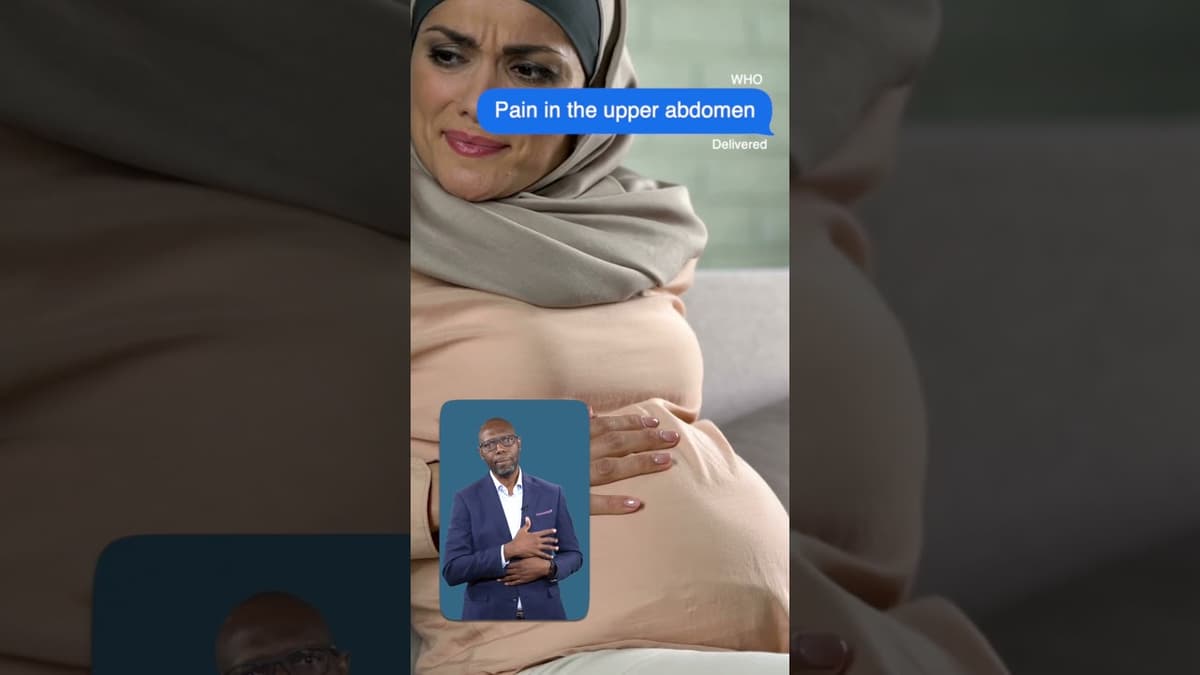
Did You Know? A Serious Pregnancy Complication Strikes Millions of Women Every Year with No Warning.
The video spotlights preeclampsia, a hypertensive pregnancy disorder that can strike without warning and threatens both mother and child. It explains that the condition develops after 20 weeks gestation and may persist up to six weeks postpartum, affecting 3‑13% of deliveries worldwide and contributing to roughly half a million infant deaths annually. Key data points include the range of organ systems involved—liver, kidneys, brain—and the often‑silent nature of the disease. When symptoms do appear, they manifest as severe headache, facial or peripheral swelling, blurred vision, upper‑abdominal pain, and rapid weight gain. Early detection hinges on routine antenatal blood‑pressure monitoring and urine protein testing. The video cites World Health Organization guidance: maintain regular prenatal visits, monitor blood pressure, test urine for protein, ensure adequate calcium intake, and prescribe low‑dose aspirin to high‑risk women. It stresses that immediate medical attention at the first sign of symptoms, coupled with access to trained health workers and essential medicines, can prevent fatalities. For clinicians, policymakers, and expectant mothers, the message is clear: heightened awareness, systematic screening, and timely intervention are critical to reducing preeclampsia‑related morbidity and mortality, ultimately safeguarding maternal and neonatal health.
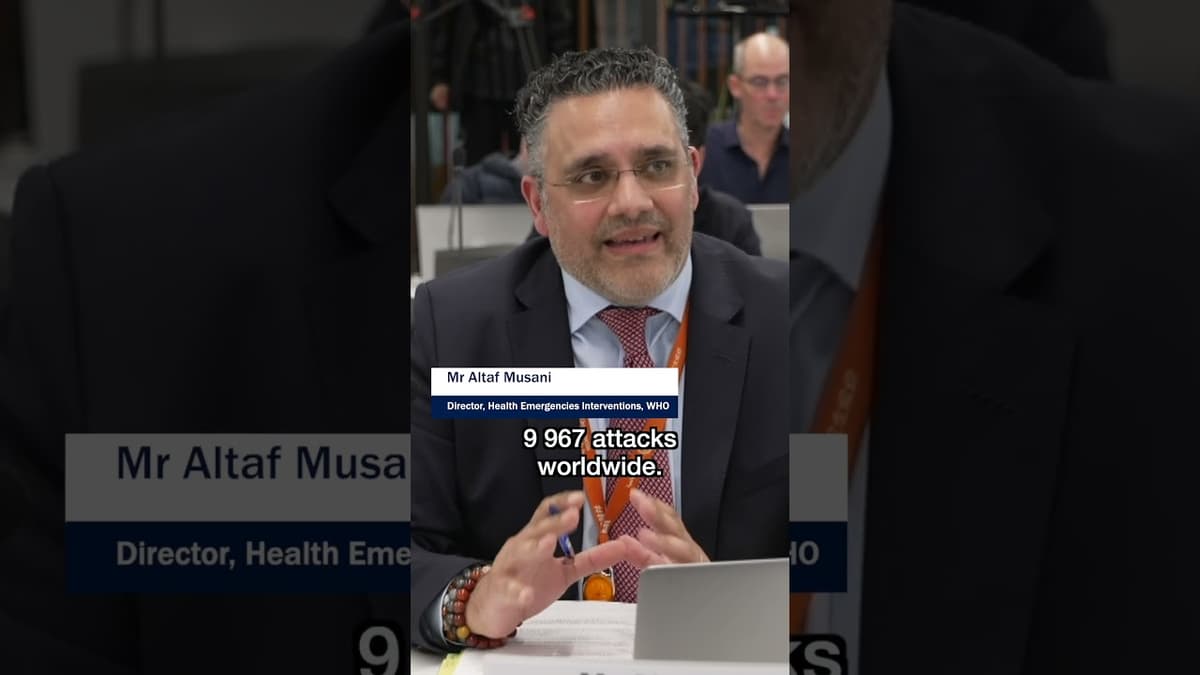
Attacks on Health in Conflict Settings Are Rising
The video highlights WHO's warning that attacks on health facilities are accelerating in conflict zones, citing a recent spike in the Middle East. Since the war began, WHO verified 149 attacks in Lebanon, 26 in Iran, and six in Israel, resulting...
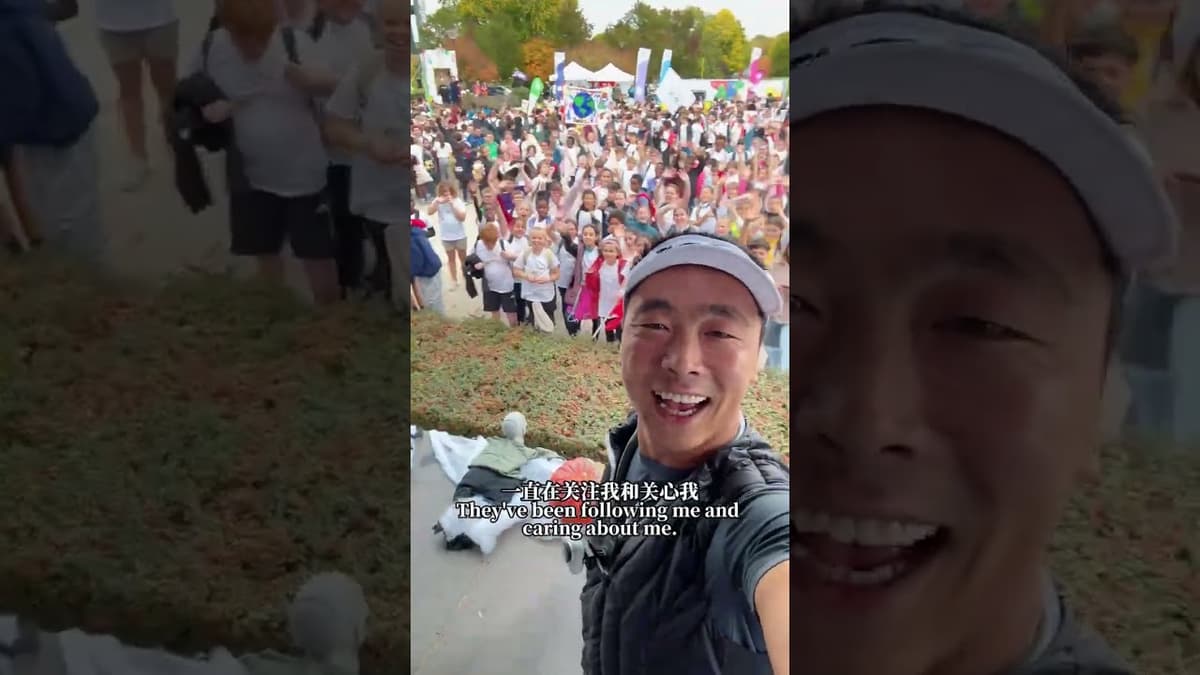
One Cyclist. One Mission. Zero Limits.
Guo Shaoyu, a Chinese ultra‑endurance cyclist, announced a new collaboration with the World Health Organization, framing his latest expedition as a "One cyclist. One mission. Zero limits" campaign that blends personal challenge with public‑health advocacy. Drawing on a decade of long‑distance...
WHO Director-General Dr Tedros on the Pathogen Access and Benefit Sharing (PABS) Annex
World Health Organization Director‑General Dr. Tedros highlighted the Pathogen Access and Benefit Sharing (PABS) annex as the final piece needed to activate the WHO pandemic treaty. He explained that the annex consolidates lessons from COVID‑19 and links a suite of...
Your Daily Dose: Staying Healthy as We Age by Protecting Our Immune System
The video emphasizes that maintaining health in later years goes beyond diet, exercise, and social ties; a robust immune system is essential. It outlines that aging naturally weakens immunity, making older adults more vulnerable to infections such as influenza, pneumonia, shingles,...
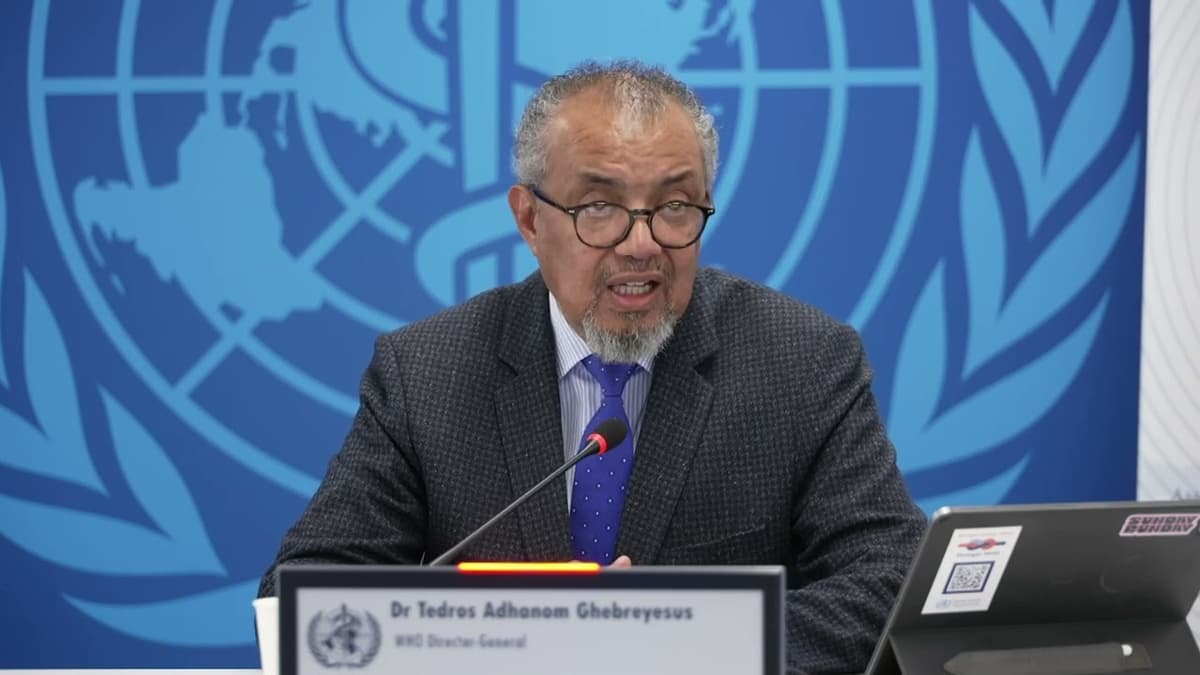
WHO Director-General Dr Tedros Press Briefing with ACANU Reporters
In a press briefing with ACANU reporters, WHO Director‑General Dr. Tedros outlined the agency’s latest initiatives ahead of the World Health Assembly, emphasizing the finalisation of the Pathogen Access and Benefit‑Sharing (PABS) annex, new regional training hubs, and ongoing simulation...
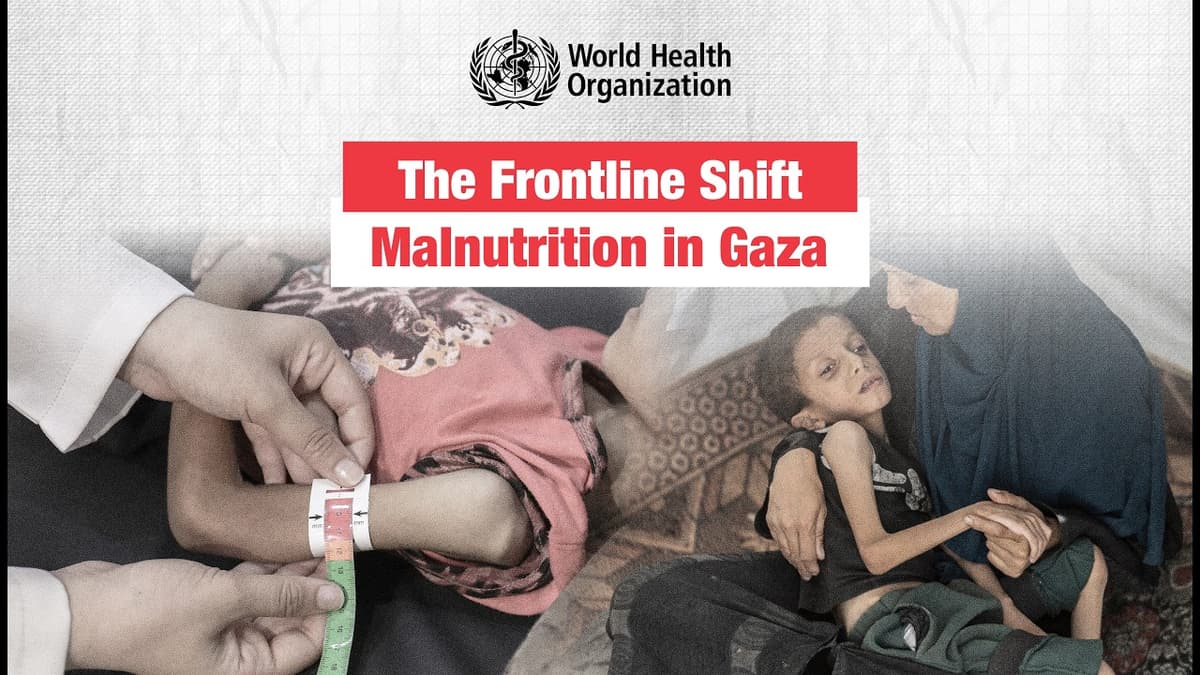
Malnutrition in Gaza
The Frontline Shift podcast from WHO spotlights Gaza’s spiraling malnutrition crisis, tracing how a three‑month total blockade on food, medicine and essential supplies in early 2025 amplified an already volatile humanitarian situation. Before the conflict, acute malnutrition affected less...
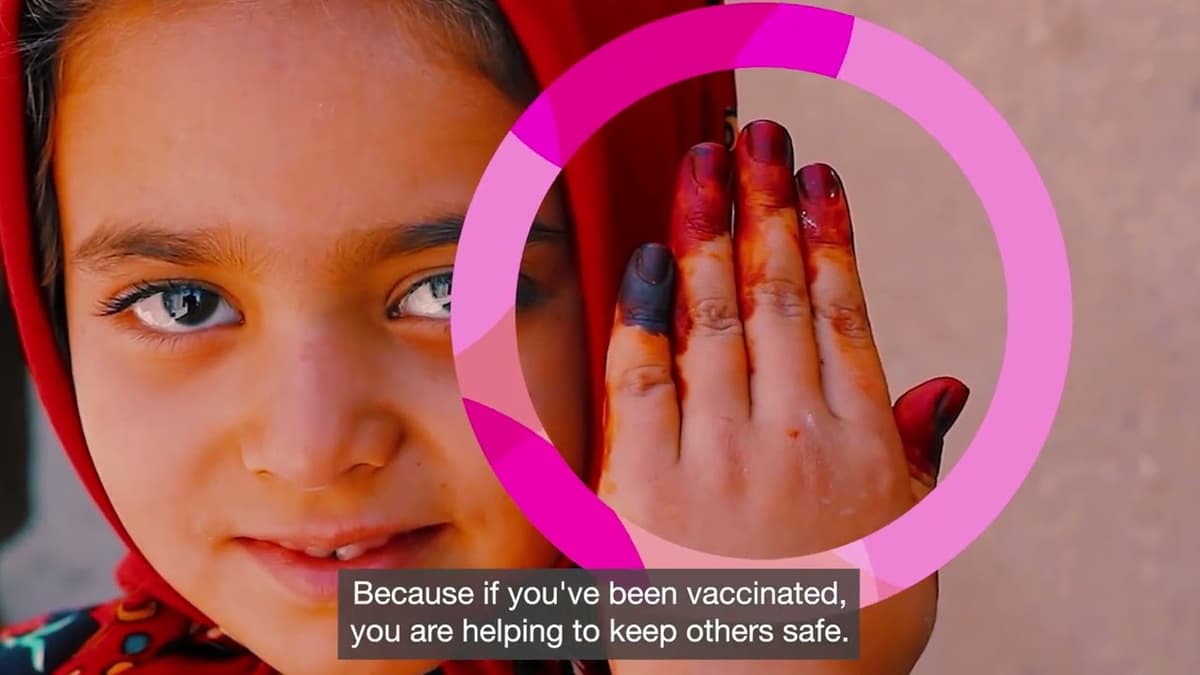
Humanly Possible: Immunization for All – This Is One of Humanity’s Greatest Achievements
The video celebrates immunization as one of humanity’s greatest achievements, highlighting that essential vaccines have saved six lives every minute for the past half‑century – roughly 8,000 lives each day. It underscores the collective effort of scientists, doctors, humanitarian workers,...
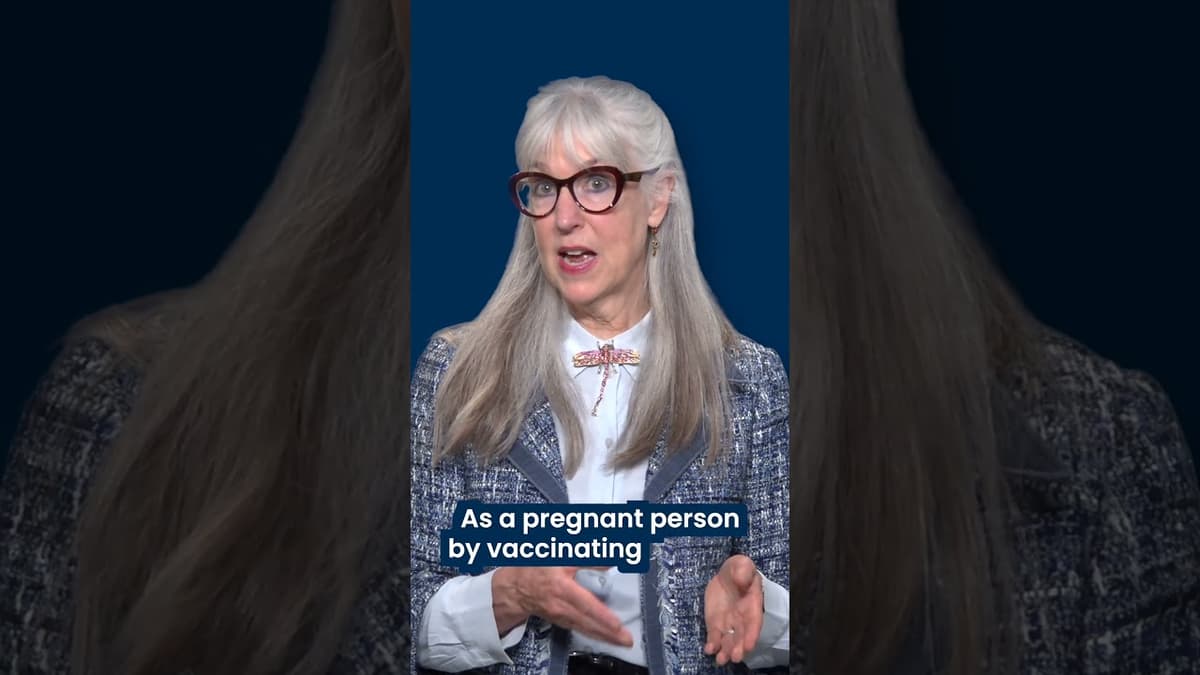
Your Daily Dose: Vaccination Plays an Important Role During Pregnancy
The video stresses that immunizations are a critical preventive tool for pregnant individuals and their unborn children, highlighting the altered immune landscape during gestation. It outlines specific vaccines—rubella pre‑conception, pertussis (whooping cough) and RSV during pregnancy, plus influenza and COVID‑19—detailing how...
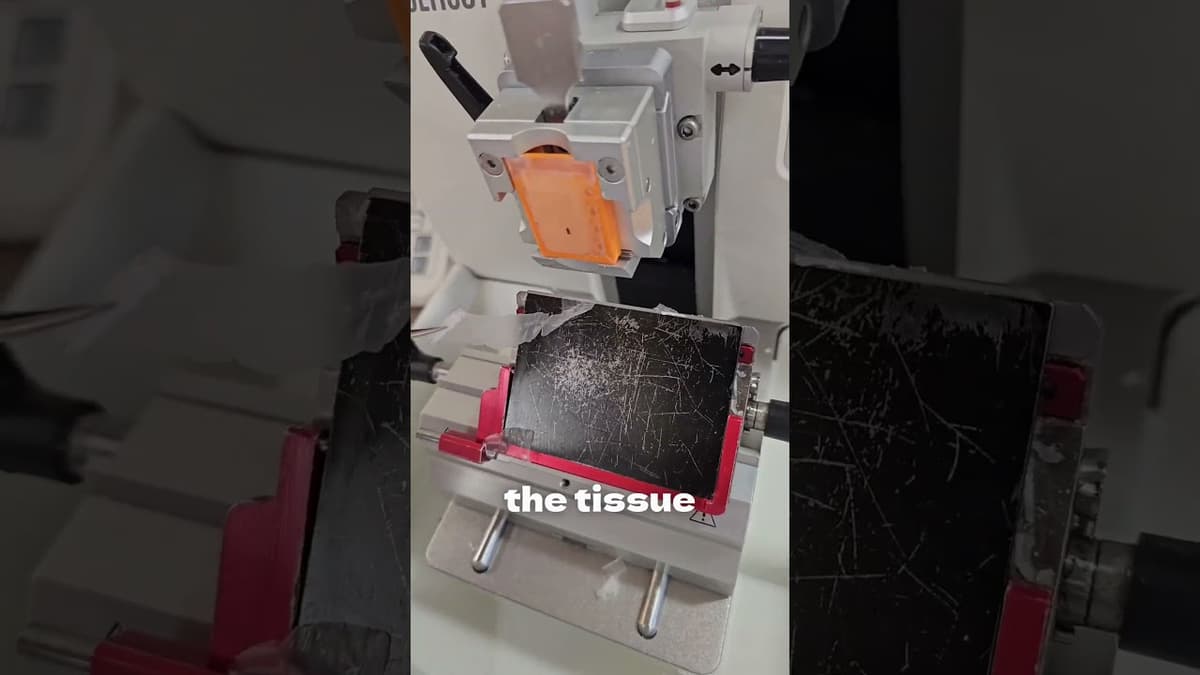
Understanding Breast Biopsies
The video walks viewers through the step‑by‑step workflow of a breast core biopsy, emphasizing how a tiny tissue fragment becomes the cornerstone of clinical decision‑making. It begins with the preservation of the sample in paraffin wax, a process that locks...

How Can We Eat Healthily While Respecting the Environment? By Anthony Berthou - OH Summit, France
At the OH Summit, Anthony Berthou argued that eating healthily cannot be divorced from ecological, toxicological and social considerations. He highlighted the confusion consumers face when nutrition advice ignores these dimensions. Berthou stressed that scientific communication—especially film—can bridge the gap, offering...

Trauma Care During the Conflict
The WHO podcast "Frontline Shift" examines how Gaza’s health system has coped with an unprecedented wave of traumatic injuries since the conflict intensified in October 2023. Over 172,000 people have been wounded and more than 72,000 killed, straining a...

Your Daily Dose: Wellness Is Active, Not Passive.
The video introduces the United Nations’ inaugural International Wellness Day, framing wellness as an active, daily practice rather than a static possession. It emphasizes that true well‑being spans physical health, mental health, emotional balance, social connections, and a sense of...

World Chagas Disease Day 2026 - WHO Director-General’s Message
World Chagas Disease Day 2026 features a message from WHO Director‑General urging global action. The theme, "Women at the heart protecting the next generation," highlights female‑centric strategies to halt transmission. The Director‑General notes that an estimated 8 million people live with Chagas,...

LIVE | Dr Tedros’ Statement at the Closing Session: Global Forum of the WHO Collaborating Centre
Dr Tedros delivered closing remarks at the inaugural Global Forum of WHO Collaborating Centres, summarizing three days of dialogue and announcing concrete steps to deepen the partnership between WHO and its network of research institutions. He acknowledged persistent geographic inequities—most centres...

Global Forum of WHO Collaborating Centres: Collaborating for a Healthier Future
The Global Forum of WHO Collaborating Centres convened in Lyon, France, bringing together roughly 800 centres from more than 80 nations, with additional participants joining virtually. The gathering highlighted the scale of the WHO’s public‑health network and its ambition to...

LIVE | @DrTedros’ Statement at the Global Forum of the WHO Collaborating Centre
Dr. Tedros addressed the inaugural Global Forum of WHO Collaborating Centres, marking World Health Day and highlighting the organization’s historic reliance on a worldwide network of research institutions. He outlined how more than 800 centres in 80 nations conduct over...

Delivering Primary Healthcare in Gaza
The podcast “Frontline Shift” examines how primary health‑care centers sustain Gaza’s health system amid two years of conflict, with WHO coordinating emergency medical teams and UK Med operating clinics under the WHO EMT initiative. Only 107 of 210 primary health‑care centers...

Speaker Series 13 Emergency Preparedness & Response Capabilities for National Public Health Agencies
The WHO Hub for Pandemic and Epidemic Intelligence hosted its 13th Speaker Series in Berlin to unveil a new WHO‑developed capabilities framework designed to strengthen emergency preparedness and response capacities of national public health agencies. The event, co‑hosted with...

From Commitment to Action: World Report on Promoting the Health of Refugees and Migrants.
The World Health Organization unveiled its second World Report on the health of refugees and migrants, underscoring the urgent need for uninterrupted, affordable, and equitable health services for more than one billion people on the move. The report frames migration...

LIVE: Press Conference on Global Health Issues with Dr Tedros
The WHO press conference, led by Director‑General Dr Tedros, unveiled a new joint child‑mortality report, reviewed recent SAGE vaccine recommendations, announced innovative TB diagnostic tools, and addressed the health fallout from the Middle‑East conflict. Dr Tedros highlighted that under‑five deaths have fallen...

Using WHO’s Outbreak Toolkit During Outbreak Investigations
The video introduces the World Health Organization’s Outbreak Toolkit, a standardized suite of forms designed to streamline the investigation and response to infectious disease events. It highlights two core instruments – the T0 form, which records essential epidemiological variables at...

LIVE | Press Conference on Global Health Issues with Dr Tedros
WHO Director-General Dr. Tedros and senior officials updated on three major public‑health advances: new WHO guidance and country support to integrate GLP‑1 therapies and broader obesity services through an acceleration plan covering 34 countries (1.3 billion people) aiming to cut...

From Communities to Classrooms: Hearing Care for All Children
The video, released on World Hearing Day, spotlights the global crisis of childhood hearing loss and calls for universal hearing care in schools and communities. Nearly 95 million school‑age children are deaf or have hearing impairment, and 60 % of those cases are...
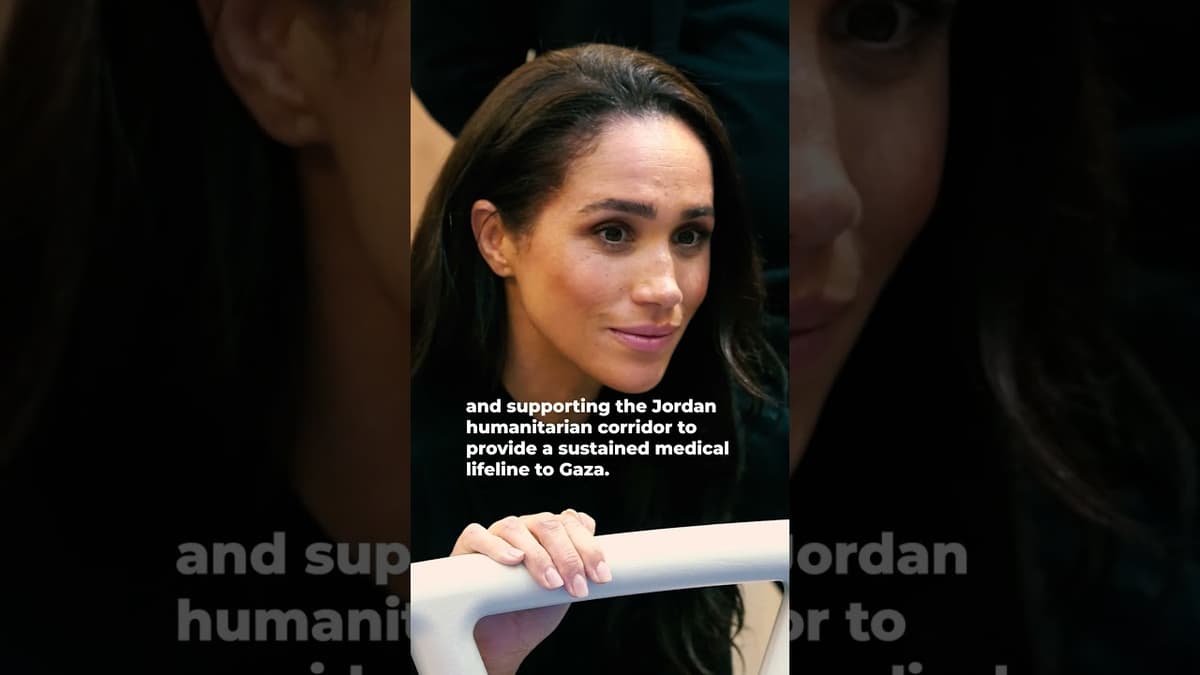
Director-General Dr Tedros, Prince Harry and Meghan Visit Hospital in Jordan for Children From Gaza
WHO Director-General Dr. Tedros, accompanied by UN teams and the Duke and Duchess of Sussex, toured a WHO‑supported specialty hospital in Jordan that is caring for children evacuated from Gaza. The visit highlighted the scale of the medical evacuation programme,...
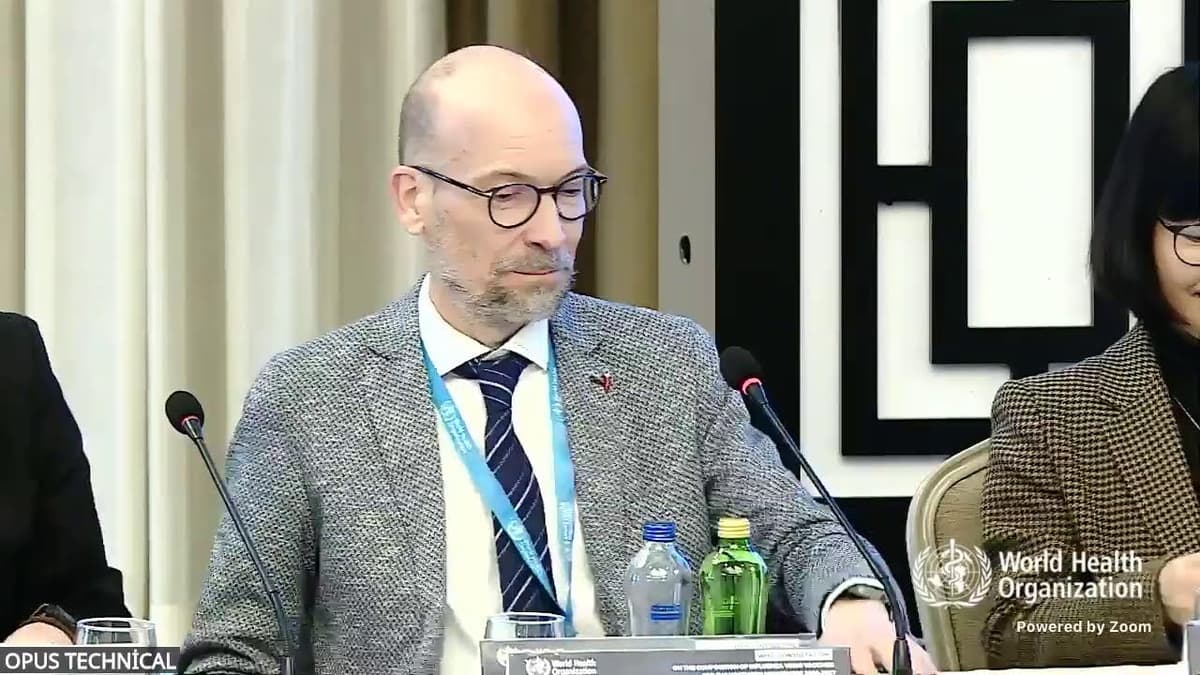
LIVE: WHO Meeting on 2026-27 Northern Hemisphere Influenza Vaccine Composition
The World Health Organization convened an information meeting to finalize the composition of the 2026‑27 Northern Hemisphere influenza vaccine. Senior officials, including Dr. Chikui Hikawazu and Dr. Maria Van Kokov, highlighted the critical role of the Global Influenza Surveillance and...
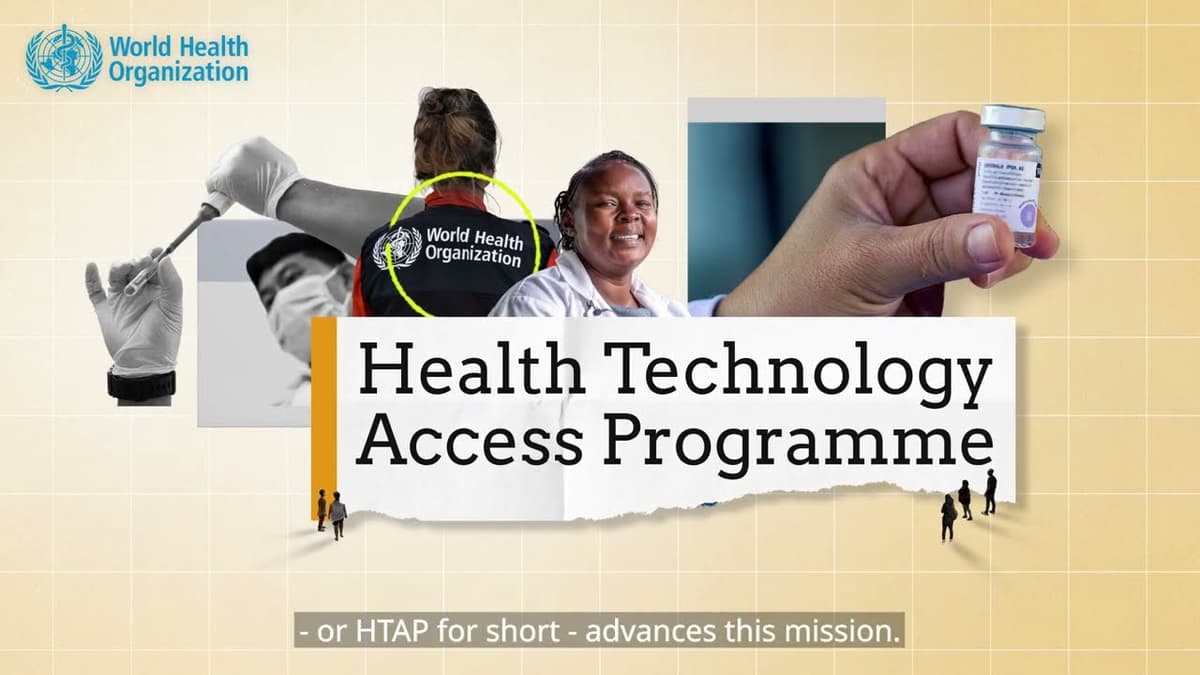
How the Health Technology Access Programme (HTAP) Operates?
The World Health Organization’s Health Technology Access Programme (HTAP) is designed to close the gap between high‑income manufacturers and low‑ and middle‑income countries that struggle with limited production capacity, skilled workforces, and costly health products. By convening technology owners, local...
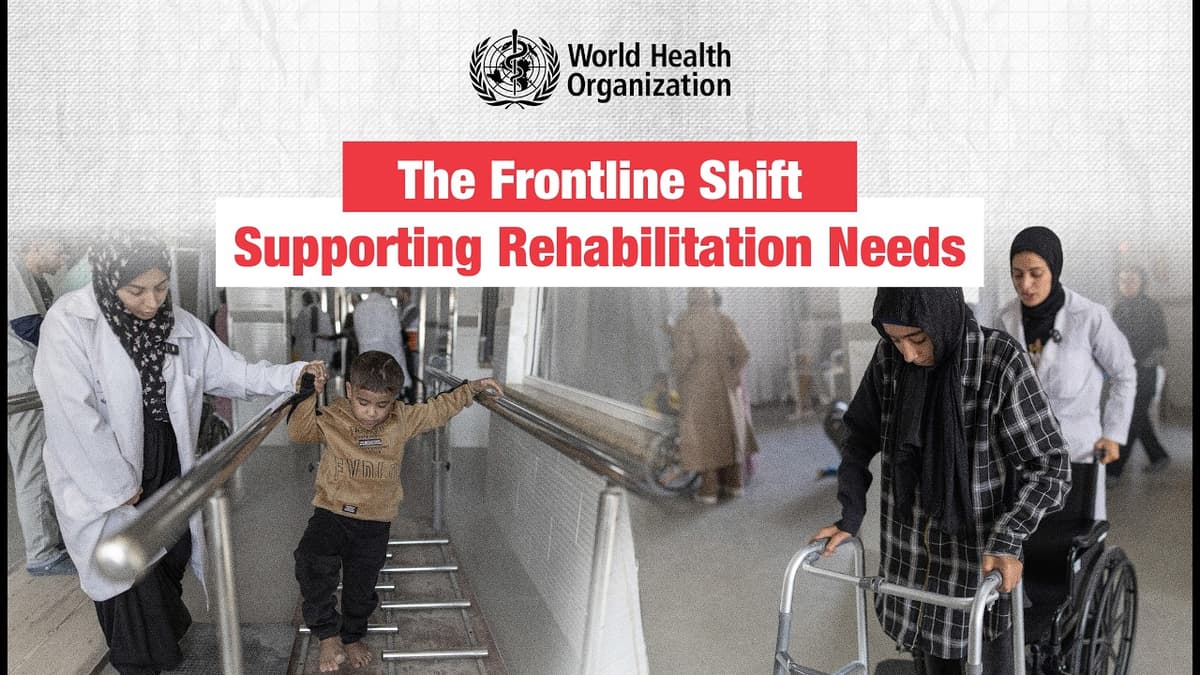
Supporting Rehabilitation Needs
After two years of conflict, over 42,000 Gaza residents suffer severe injuries, including more than 5,000 amputations. Rehabilitation facilities are largely destroyed and many specialists have been killed or displaced, leaving a critical service gap. WHO and NORWAC are working...
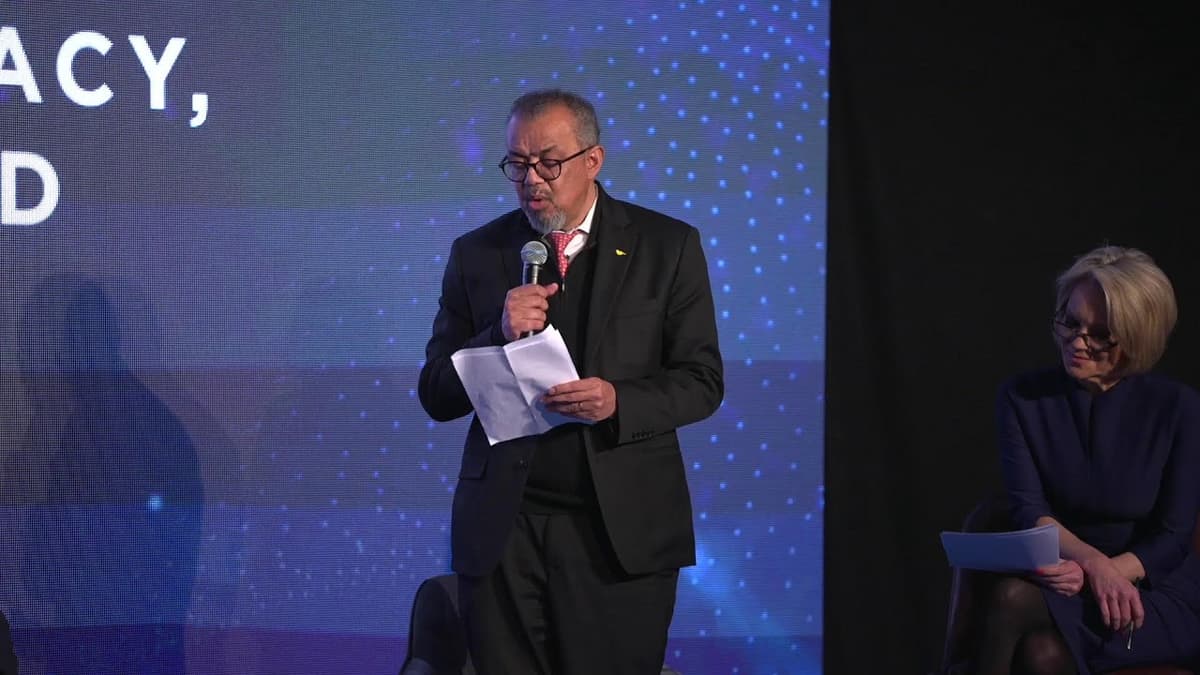
LIVE | Dr Tedros at the World Forum
Dr Tedros addressed the World Forum, reminding listeners that the recent Munich Security Conference highlighted a paradox: while nations ramp up defense spending, they overlook an "invisible enemy"—global pandemics. He quantified COVID‑19’s devastation, noting roughly 20 million deaths and a $10 trillion...
Your Daily Dose: More than 80% of Children Can Survive when Cancer Is Found Early and Treated.
International Childhood Cancer Day highlights that early detection and treatment can enable more than 80% of children with cancer to survive. The video, narrated by a physician‑mother, underscores that while childhood cancer remains rare, the most common forms—leukemia, brain tumors,...