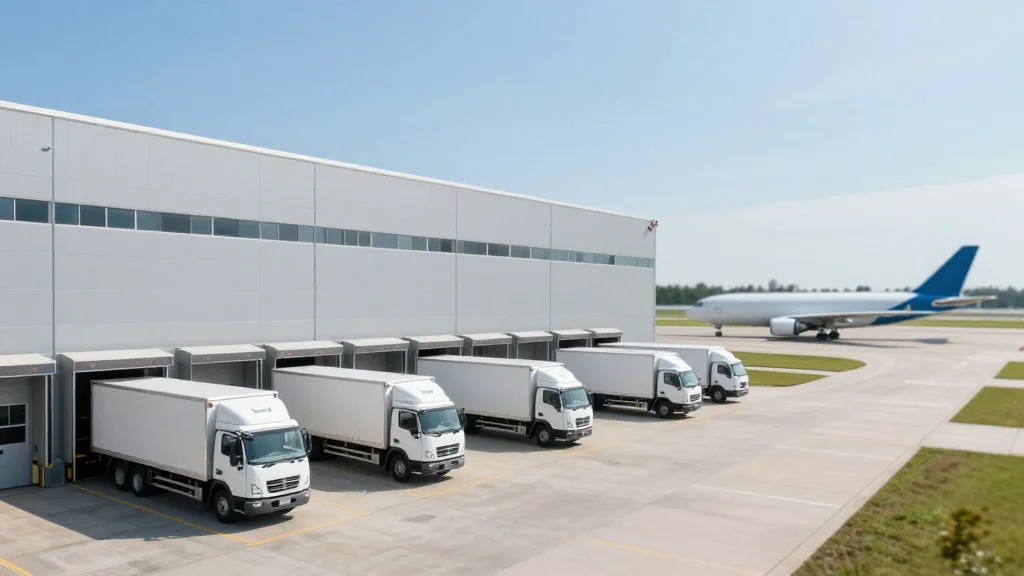
Inside Amazon’s Push to Open Its Logistics Network to Everyone
Companies Mentioned
Why It Matters
By commercializing its logistics platform, Amazon challenges traditional 3PLs and offers enterprises unprecedented speed and data, reshaping the supply‑chain market.
Key Takeaways
- •Amazon now offers fulfillment to non‑Amazon sellers
- •Service built on AI‑driven speed and reliability
- •Early adopters include Procter & Gamble and 3M
- •Amazon leverages AWS‑style infrastructure for logistics
- •Potential to become major third‑party logistics player
Pulse Analysis
Amazon’s logistics arm, long a competitive advantage for its own retail operations, is now being repackaged as a commercial service for any retailer. The company first opened limited fulfillment tools to marketplace sellers, learning that external volume could be accommodated at scale. By stripping away seller‑specific identifiers and adding core 3PL capabilities like bulk distribution, Amazon has created a plug‑and‑play network that promises the same speed and reliability that fuels its consumer business. This evolution reflects a broader trend of tech giants monetizing internal infrastructure for external customers.
The strategic rationale hinges on three pillars: solving a widespread customer pain point, leveraging existing technology, and unlocking massive scale. Amazon’s AI‑driven routing, real‑time visibility, and data analytics give it an edge over legacy carriers that rely on legacy systems. Enterprises that adopt the service can reduce lead times, improve inventory turnover, and gain granular insights into delivery performance—factors that directly boost sales. By positioning logistics as a cloud‑like offering, Amazon mirrors the AWS model, turning operational excellence into a recurring revenue stream.
Industry observers see this as a potential disruption to traditional third‑party logistics providers. If Amazon can attract large brands such as Procter & Gamble, 3M, and American Eagle, it could capture a significant share of the $1.5 trillion global 3PL market. However, challenges remain, including integrating diverse client requirements, maintaining service quality at scale, and navigating regulatory scrutiny. Success will depend on Amazon’s ability to extend its relentless focus on defect‑free delivery while balancing the needs of a broader customer base. The rollout promises to accelerate the shift toward data‑centric, on‑demand logistics across the supply‑chain ecosystem.
Inside Amazon’s Push to Open Its Logistics Network to Everyone
Comments
Want to join the conversation?
Loading comments...