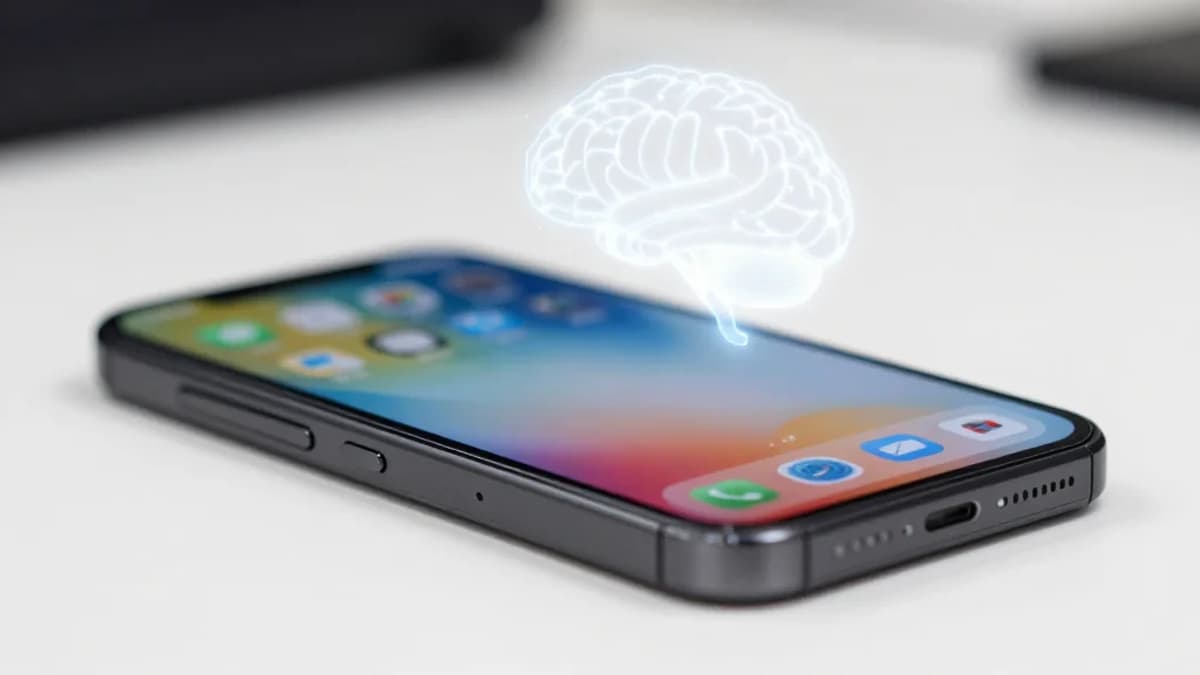
Creating Trust and Intrigue with App Store Screenshots
•January 31, 2026
0
Why It Matters
Compelling screenshots directly influence download decisions, making them a critical conversion lever in a crowded marketplace. Leveraging automated design tools and data‑backed iteration empowers developers to maximize visibility and trust without large design budgets.
Key Takeaways
- •Screenshots shape first‑impression download decisions.
- •Storytelling screenshots guide users through app benefits.
- •AI generators create professional visuals quickly.
- •Consistent cross‑store images boost brand trust.
- •Ongoing A/B testing lifts conversion rates.
Pulse Analysis
In today’s saturated app ecosystems, visual cues dominate user attention. A well‑crafted screenshot set does more than showcase UI; it constructs a narrative that instantly conveys problem‑solving potential and usability. By sequencing images to illustrate a user journey, developers reduce ambiguity, foster trust, and differentiate their offering before a single line of description is read. This storytelling approach transforms a static store page into an engaging preview, increasing the likelihood that a passerby will tap "Install."
The emergence of AI‑powered screenshot generators has reshaped how developers approach visual marketing. These platforms analyze raw app screens, automatically applying device frames, typography, and layout templates that adhere to platform guidelines. For indie creators and lean teams, the speed—minutes versus hours—and the removal of specialized design expertise mean resources can be reallocated to core product development. Moreover, the ability to produce uniform assets for both Google Play and the Apple App Store reinforces brand consistency, a subtle yet powerful trust signal for users across ecosystems.
Beyond creation, the optimization cycle now hinges on data‑driven iteration. Minor adjustments in caption wording, color contrast, or focal point placement can shift conversion metrics by several percentage points. Integrated A/B testing tools enable developers to roll out variant screenshot sets, monitor performance, and refine based on real‑world user behavior. This continuous improvement mindset ensures that visual assets evolve alongside product updates, sustaining relevance and maximizing acquisition efficiency in an ever‑changing marketplace.
Creating Trust and Intrigue with App Store Screenshots
0
Comments
Want to join the conversation?
Loading comments...