
Why GPID Still Falls Short: Persistent Problems in Programmatic Placement Identification
The Global Placement ID (GPID) was introduced to give programmatic buyers a persistent, publisher‑defined identifier for each ad slot, promising better deduplication and supply‑path transparency. In practice, adoption is uneven and implementations often break the persistence promise through missing signals, opaque strings, dual identifiers, and dynamic suffixes on scroll or refresh. These flaws cause buyers to treat identical inventory as separate opportunities, inflating costs and eroding trust. Industry experts argue that stricter IAB enforcement and buyer‑driven standards are needed to realize GPID’s full potential.

AI Marketing ROI Calculator, The Honest Maths (2026)
Lilach Bullock, a veteran marketing consultant, released an "honest" AI marketing ROI calculator that strips out the optimistic assumptions vendors use. By applying realistic adoption rates, quality discounts, and hidden costs such as implementation, training and failure provisions, the model...

How Many Times Should You Audit Your Site for SEO?
Most Shopify merchants should conduct a comprehensive SEO and AI visibility audit twice a year, with a quick spot check each quarter. Stores that publish weekly content or manage large product catalogs need full audits every three months. Audits must...

Best SEO Tools for Agencies Managing Multiple Clients in 2026 and How Semrush One Simplifies the Workflow
Agencies juggling dozens of SEO clients now face the added complexity of AI‑driven search, where over 60% of Google queries end without a click. Traditional rank tracking no longer explains traffic drops, prompting demand for tools that monitor AI‑generated answers...

Why Brand Integrations With Creators Might Not Be Enough
The creator economy is shifting from pure sponsorships to paid amplification, as brands increasingly boost influencer content with ad spend. Meta’s push for Partnership Ads and insights from the Scalable Summit highlight that paid media is growing faster than organic...

Pep Talk: Is AI Advertising Beating the Real Thing?
AI‑generated videos are blurring the line between authentic brand messaging and fan‑made imposters, as seen with a fake Pepsi commercial and AI‑crafted ads for LA mayoral hopeful Spencer Pratt. The Pepsi spoof recycles a 2021 DDB Latin America tagline, while...

HIPAA-Compliant Digital Marketing Strategies for ABA Therapy Practices
ABA therapy providers must align every digital touchpoint with HIPAA rules, from website forms to paid ads. A privacy‑first website limits data collection, uses secure forms, and avoids publicizing identifiable success stories. Email, review replies, and testimonials require written consent...

How to Buy Website Traffic in 2026
Buying website traffic in 2026 emphasizes quality over cheap clicks, focusing on users who complete high‑value actions such as app installs, registrations, or deposits. Self‑serve ad platforms give advertisers instant campaign launch, granular targeting, and real‑time optimization without manual negotiations....
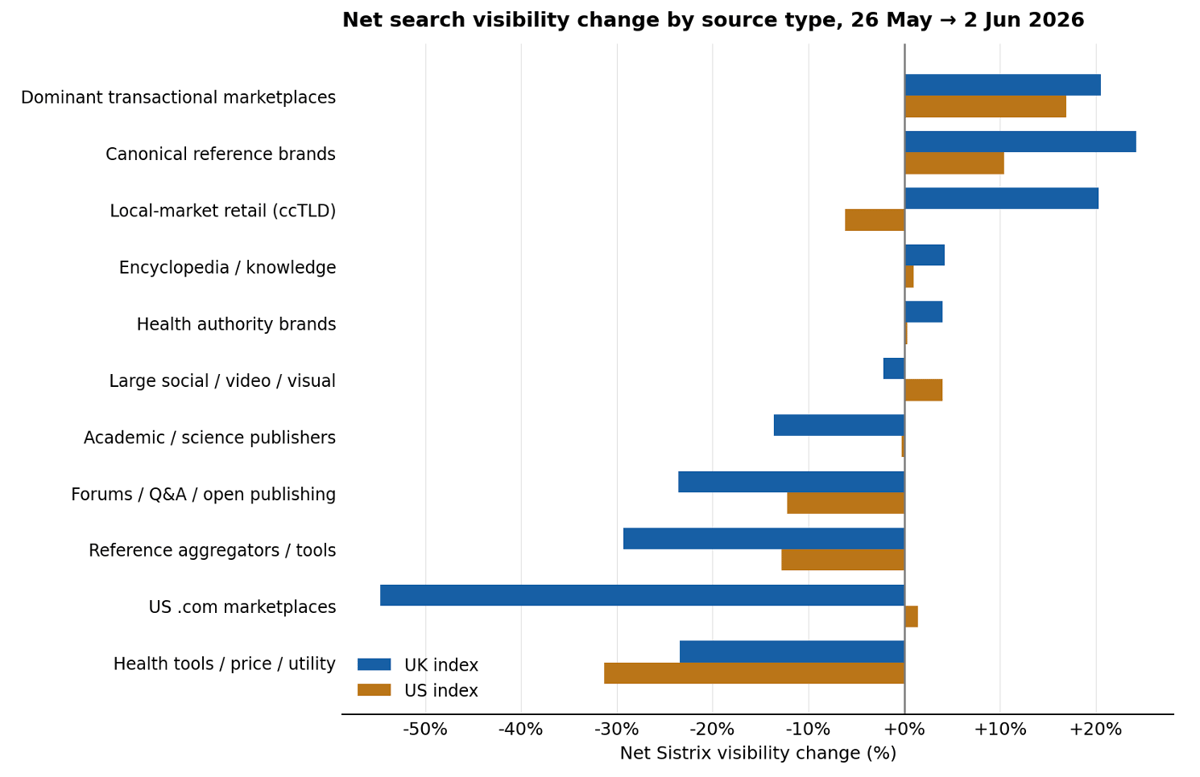
Google May 2026 Core Update Analysis: Intent, Market Fit and Source Type Drove the Biggest Visibility Shifts
The May 2026 Google Core Update re‑oriented visibility toward the source type that best matches query intent, market and expected result format. Canonical reference brands surged while pronunciation tools, language Q&A sites and dictionary aggregators fell sharply. In the UK, local‑market...

Arcom Proposes That Ads on Platforms Like YouTube Be Regulated by the Country of Destination
The French media regulator ARCOM is lobbying the European Union to abandon the “country of origin” rule that currently governs online advertising. It proposes that ads on platforms such as YouTube, TikTok and Instagram be regulated according to the country...

Attribution Obsession Is Ruining Your Strategy
The article argues that an obsessive focus on granular attribution models flattens the true complexity of customer journeys and can misguide marketing spend. It highlights how last‑click credit often pushes budgets toward paid channels while ignoring brand‑building and referral tactics....

How SEO Teams Can Build AI Agents for Keyword Research, AEO Tracking, and Content Update
SEO teams can boost efficiency by building narrow‑purpose AI agents that handle repetitive tasks such as keyword clustering, AEO visibility monitoring, and stale‑content detection. The agents surface data‑driven insights while the SEO lead retains final decision‑making authority. Google’s generative‑AI guidance...

Why Slow Ads Are a Revenue Problem, a Conversation with Catch Metrics
Publishers are losing ad revenue because page‑level latency delays ad display, and traditional lab tests miss real‑world slowdowns. Catch Metrics, launched last year, offers real‑user monitoring that links script latency to revenue, letting publishers pinpoint the exact code causing delays....

Organic Social Strategy for Ecommerce: How to Build Trust, Drive Traffic, and Make Paid Ads Work Harder
Organic social is a trust‑building engine, not a free ad slot, that amplifies paid‑media performance for ecommerce brands. The most effective organic posts are human‑focused stories—founder narratives, employee spotlights, and authentic vulnerability—rather than product pushes. Carousels now generate higher qualified...

Can Clean Rooms Tidy up Transparency for Streaming TV?
Streaming TV has surpassed linear TV in total viewership and is projected to lead ad spend by 2028. Yet advertisers struggle with limited granularity and privacy‑driven restrictions that obscure program‑level performance. Data clean rooms emerge as a privacy‑compliant way to...