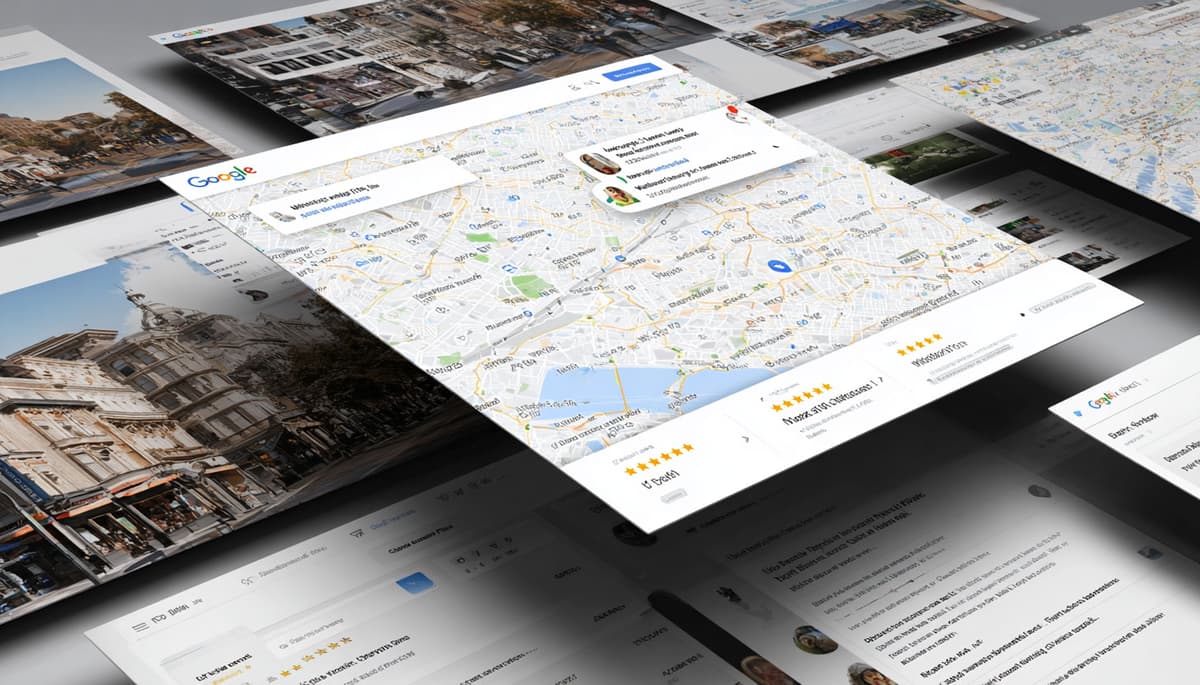
Gemini Local Results Insights Into How Google Interprets Your Business
•January 23, 2026
0
Companies Mentioned

Why It Matters
The AI‑driven snippets could boost local visibility and click‑through rates, while also shifting control of brand narrative toward data quality and reputation management.
Key Takeaways
- •Gemini adds dynamic headlines to local business listings.
- •AI-generated sections reflect Google’s inferred business attributes.
- •Visibility may improve click‑through rates for local searches.
- •Businesses can influence output via structured data and reviews.
Pulse Analysis
Google’s Gemini initiative marks a significant evolution in how artificial intelligence augments local search. By embedding AI‑crafted headlines and descriptive sections directly into the SERP, Google moves beyond static NAP (name, address, phone) data, offering users richer, context‑aware snapshots of nearby businesses. This shift reflects broader industry trends where large language models interpret web signals to generate on‑the‑fly content, blurring the line between traditional SEO and AI‑driven content creation.
For businesses, the Gemini rollout presents both opportunity and responsibility. The AI’s output relies heavily on structured data, schema markup, and the quality of user‑generated content such as reviews. Companies that maintain accurate, comprehensive schema and encourage positive feedback can steer the AI to highlight desirable attributes, potentially increasing click‑through rates and foot traffic. Conversely, outdated or sparse data may result in generic or inaccurate snippets, underscoring the need for proactive data hygiene and continuous monitoring of local listings.
Looking ahead, Gemini’s local results could reshape competitive dynamics in the search ecosystem. Brands that master AI‑informed presentation may enjoy a measurable edge in local discovery, while those lagging in data stewardship could see diminished visibility. As Google refines the model, we can expect deeper personalization, integration with voice assistants, and tighter feedback loops between user behavior and AI output. Staying ahead will require a blend of technical SEO, reputation management, and strategic content planning to ensure the AI portrays the business in the most compelling light.
Gemini Local Results Insights Into How Google Interprets Your Business
0
Comments
Want to join the conversation?
Loading comments...