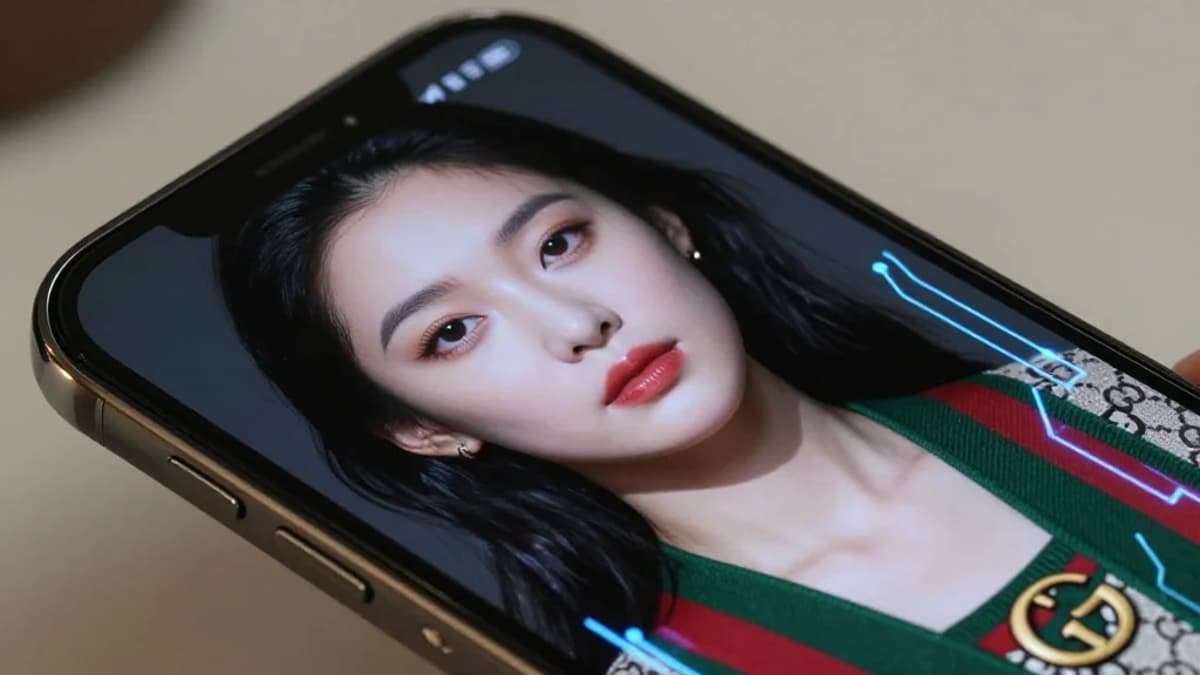
Snapchat Launches AI-Powered Lens Promotion With Gucci
•February 9, 2026
0
Companies Mentioned


Why It Matters
The collaboration demonstrates how AI can deepen consumer interaction with luxury brands, potentially boosting engagement and conversion rates. It also signals a shift in ad tech, where generative AI reduces production costs and accelerates time‑to‑market for immersive campaigns.
Key Takeaways
- •Snapchat partners with Gucci for AI-powered Lens
- •Lens offers six distinct Gucci outfit transformations
- •AI replaces traditional AR overlays, fully reimagining selfies
- •Brands gain faster lens creation with generative AI
- •Consumer engagement rises as users try virtual luxury looks
Pulse Analysis
Snapchat’s latest AI‑driven Lens with Gucci illustrates the rapid convergence of generative artificial intelligence and social‑media advertising. While AR filters have long let users overlay graphics onto their faces, this new format uses deep‑learning models to reconstruct the entire selfie, dressing users in six curated Gucci looks. The partnership leverages Snap’s La Famiglia program, positioning the platform as a testing ground for high‑fashion brands seeking to blend digital creativity with real‑world product storytelling.
From a technical perspective, the AI Lens reduces the manual labor traditionally required to build AR experiences. Developers now upload brand assets, and the generative engine handles the heavy lifting of image synthesis, cutting production timelines and costs. This shift enables marketers to iterate quickly, experiment with multiple visual concepts, and maintain brand fidelity without extensive 3D modeling. For Snapchat, the move expands its ad inventory beyond simple overlays, offering advertisers a premium, immersive format that can command higher CPMs.
The market implications are significant for both luxury fashion and the broader ad ecosystem. Consumers increasingly expect personalized, interactive content; an AI Lens that lets them virtually try on Gucci outfits satisfies that demand while driving brand affinity. Competitors will likely follow suit, prompting a wave of AI‑enhanced lenses across categories from automotive to consumer electronics. As AI tools mature, they could become the standard for rapid, high‑impact campaigns, reshaping how brands allocate creative budgets and measure ROI.
Snapchat Launches AI-Powered Lens Promotion With Gucci
0
Comments
Want to join the conversation?
Loading comments...