Why Accenture and Omnicom Just Handed Adobe Their AI Playbook
Companies Mentioned

Why It Matters
Standardizing on Adobe’s stack lets agencies avoid costly duplication while giving Adobe strategic leverage that reshapes revenue dynamics across the ad‑tech ecosystem.
Key Takeaways
- •Omnicom’s $13.5 B IPG merger drives need for unified AI platform.
- •Adobe’s AI stack now powers 80% of its major enterprise clients.
- •Accenture and Omnicom build services on Adobe rather than own AI.
- •Adobe’s stock fell despite deeper industry lock‑in, reflecting concentration risk.
Pulse Analysis
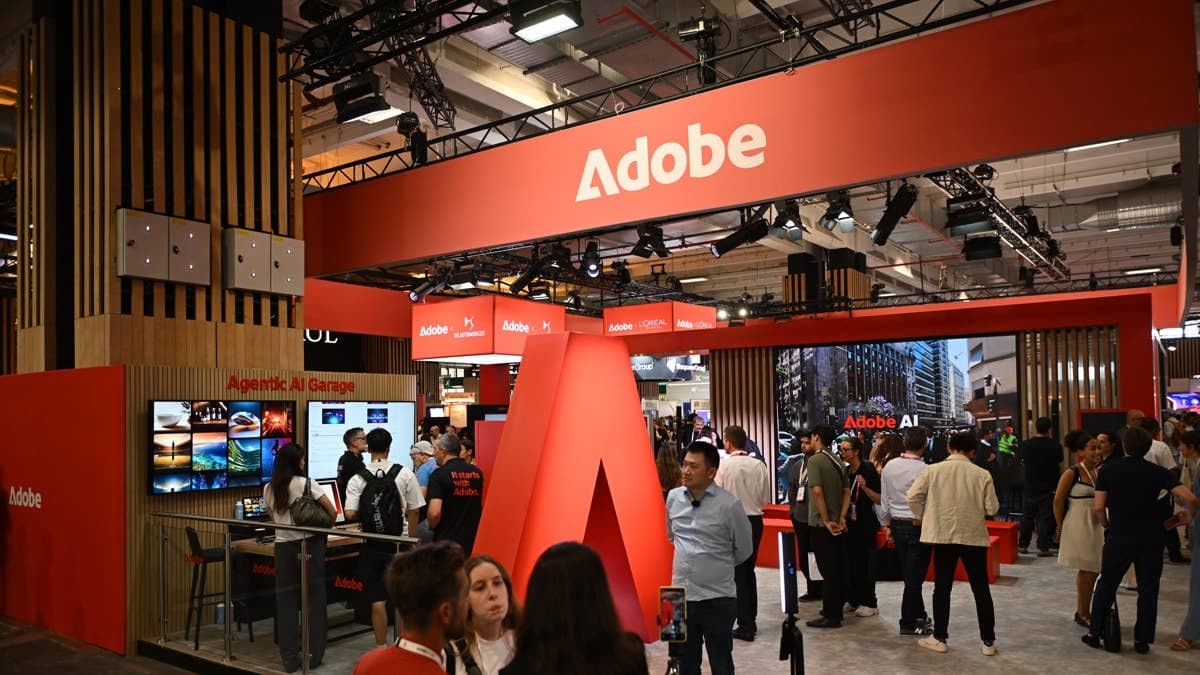
Adobe’s latest announcements at Cannes Lions underscore a rapid consolidation of AI capabilities within the advertising ecosystem. By co‑creating an agentic orchestration framework with Accenture Song and unveiling an Agentic Operating Model with Omnicom, Adobe positions its enterprise stack as the default plumbing for campaign automation, data governance, and content delivery. The timing is critical: Omnicom’s $13.5 billion merger with Interpublic Group created a sprawling network of legacy data systems, making a single, proven AI layer far more attractive than building parallel solutions from scratch.
For agencies, the appeal of Adobe’s platform lies in its mature brand‑safety tools, extensive content libraries, and integrated governance that newer AI solutions struggle to match. Accenture leverages the same stack to scale consulting services without the overhead of maintaining a proprietary AI stack, allowing it to focus on strategy and implementation. This vendor‑centric model reduces duplication, accelerates time‑to‑market, and locks clients into a technology ecosystem that can be monetized through ongoing services, training, and premium features.
Investors, however, remain cautious. Adobe’s shares dipped after the June 22 announcement, reflecting concerns that heavy reliance on a single client base could amplify concentration risk. Yet the deeper industry lock‑in suggests a long‑term revenue tail, especially as professional‑services firms in finance, health care, and consulting adopt similar agentic AI frameworks. The broader narrative points to a shift from competing AI models to competing on control of the underlying infrastructure—a race that could redefine value creation across the digital advertising value chain.
Why Accenture and Omnicom just handed Adobe their AI playbook
Comments
Want to join the conversation?
Loading comments...