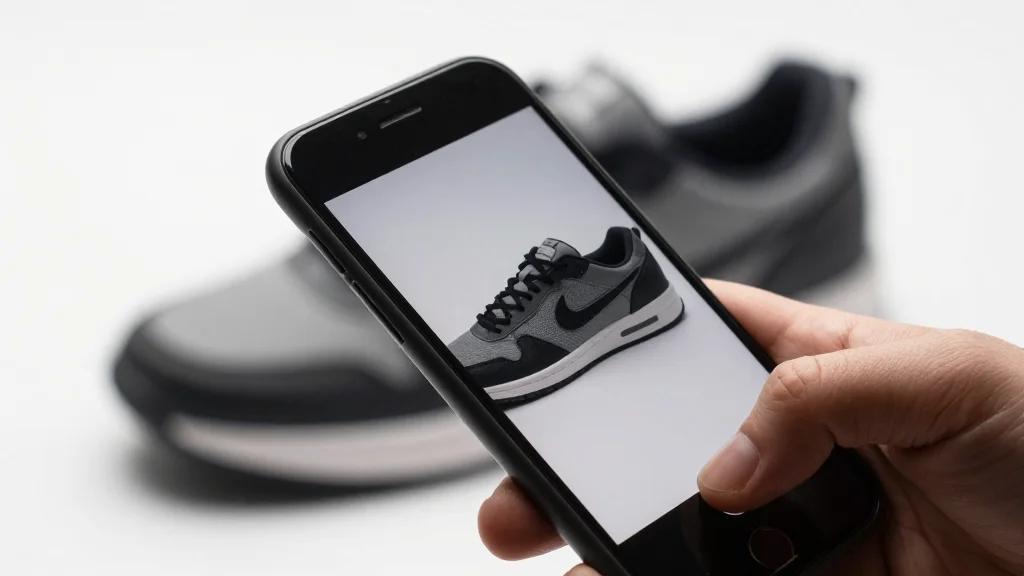
Google AI Shopping Lens Spurs 239% Jump in E‑Commerce Product Discovery

Companies Mentioned
Why It Matters
The surge in visual search fundamentally alters the e‑commerce acquisition funnel. By moving discovery from keyword intent to image intent, Google’s Shopping Lens reduces friction for shoppers and amplifies the role of high‑quality visual assets. Retailers that adapt can capture a larger share of mobile traffic, improve conversion, and unlock new cross‑selling pathways. Conversely, brands that lag may see declining organic visibility as Google’s AI increasingly prioritizes visual relevance. For the broader industry, the data points—2.3 billion daily searches, 97.3% identification accuracy, and multi‑category lift—signal that AI‑driven visual commerce is moving from experimental to mainstream. This shift will likely accelerate investment in computer‑vision technologies, reshape ad spend from text‑centric to image‑centric formats, and pressure platform providers to embed visual search APIs natively.
Key Takeaways
- •Google’s AI Shopping Lens drives a 239% increase in product discovery since its March 2026 rollout.
- •Retailers that optimize for visual search see conversion rates rise 84% on average.
- •The system processes over 2.3 billion visual searches daily and identifies 47 million product variations with 97.3% accuracy.
- •Shopify stores record the highest conversion lift at 94%; fashion categories enjoy a 156% sales boost.
- •Experts stress high‑resolution, 360° imagery and structured data as essential for maximizing Lens performance.
Pulse Analysis
Google’s visual AI is redefining the discovery layer of e‑commerce, effectively creating a new search index built on images rather than text. Historically, retailers have invested heavily in SEO and paid search to capture intent‑based traffic. The Shopping Lens flips that model, rewarding brands that can present their merchandise in a visually rich, machine‑readable format. This democratizes discovery for categories where visual appeal is paramount—fashion, home décor, and consumer electronics—while also opening doors for niche players that can curate compelling imagery.
The competitive landscape will likely fragment. Large platforms such as Shopify and WooCommerce are already integrating Lens‑ready plugins, giving their merchants a built‑in advantage. Smaller storefronts that lack native integration must either adopt third‑party visual‑search solutions or risk marginalization. In the long run, we may see a consolidation of visual‑search tooling, with a handful of vendors offering turnkey AI pipelines that feed directly into Google’s Lens.
From a strategic standpoint, brands should treat visual search as a core channel rather than an add‑on. Investment in 3D modeling, augmented reality previews, and AI‑generated image variants could become the next frontier of differentiation. As Google continues to refine contextual suggestions—pairing primary items with complementary accessories—the opportunity for bundle promotions and dynamic pricing grows. Companies that align product data, creative assets, and AI strategy now will be best positioned to capture the bulk of the projected visual‑search traffic, which is set to outpace traditional keyword searches within the next two years.
Google AI Shopping Lens Spurs 239% Jump in E‑Commerce Product Discovery
Comments
Want to join the conversation?
Loading comments...