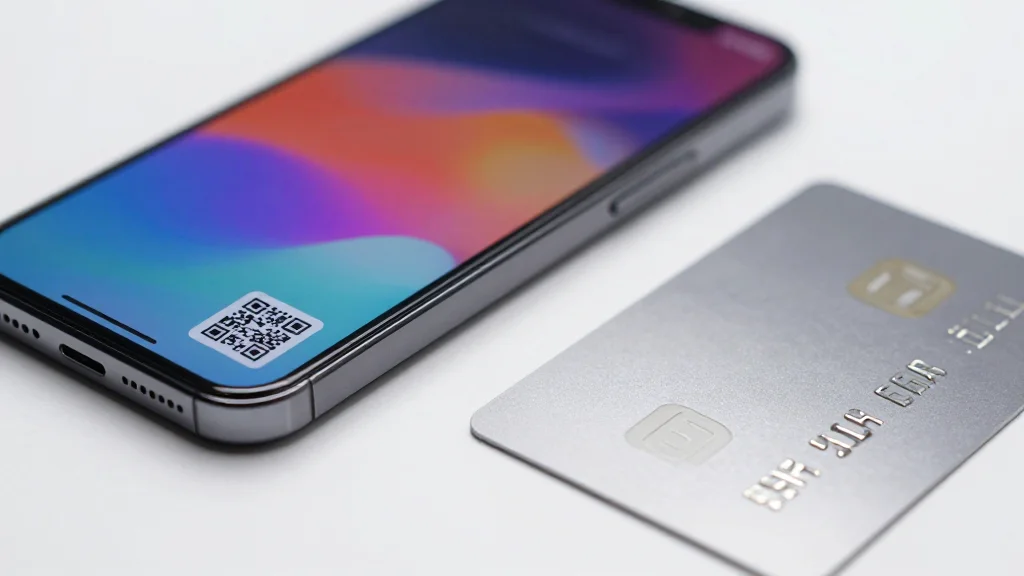
PayPal Adds Native Payment Links to Canva, Turning Designs Into Instant Checkout Pages

Companies Mentioned
Why It Matters
The PayPal‑Canva integration blurs the line between content creation and commerce, giving millions of small‑business owners a frictionless path from design to payment. By reducing the steps required to sell, the partnership could boost conversion rates and accelerate revenue for creators who previously relied on ad‑hoc payment solutions. It also signals a shift in e‑commerce strategy: rather than building standalone storefronts, platforms are embedding checkout directly into the tools where merchants spend their time. For the broader ecommerce ecosystem, the move underscores the growing importance of social commerce and creator‑driven sales. As the market approaches a $1 trillion valuation, payment processors that can meet creators where they work—whether on design apps, social feeds, or messaging services—will capture a larger share of transaction volume. PayPal’s integration with Canva positions it to compete more aggressively with Stripe’s Checkout and Square’s Online Store, potentially reshaping the competitive dynamics of the creator‑commerce stack.
Key Takeaways
- •PayPal’s Payment Links are now a native app inside Canva, enabling instant checkout from any design.
- •Canva reports 265 million monthly active users and 31 million paying subscribers with $4 billion ARR.
- •PayPal processed $1.79 trillion in payment volume in 2025 and serves 439 million active accounts.
- •Social commerce revenue reached $699 billion in 2024 and is projected to exceed $1 trillion by 2028.
- •The integration aims to cut cart‑abandonment by using the familiar PayPal checkout screen, which can improve conversion by up to 13 percent.
Pulse Analysis
PayPal’s decision to embed Payment Links directly into Canva reflects a broader industry trend of meeting merchants at the point of creation rather than forcing them onto separate e‑commerce platforms. Historically, the friction of moving from design to checkout has been a barrier for micro‑entrepreneurs, leading to lost sales and reliance on workarounds like manual invoicing or third‑party link shorteners. By integrating checkout into the design workflow, PayPal not only reduces that friction but also captures valuable data on the creative process, potentially informing future product offerings such as dynamic pricing or subscription management.
From a competitive standpoint, the partnership pits PayPal against Stripe’s recent push into creator tools (e.g., Stripe Connect for TikTok) and Square’s ecosystem of hardware and software for small businesses. PayPal’s advantage lies in its massive user base and brand trust, especially in markets where alternative payment methods are less prevalent. However, the success of the integration will hinge on adoption rates among Canva’s paying subscribers and the ability to convert design views into actual transactions. If conversion lifts even modestly, the $1.79 trillion payment volume PayPal processed last year could see a noticeable uptick, reinforcing its position in the creator economy.
Looking forward, the integration could serve as a template for other SaaS platforms—think Adobe, Figma, or even video editors—to embed payment capabilities. As social commerce continues its rapid ascent, the companies that can seamlessly blend creation and commerce will likely dominate the next wave of digital retail. PayPal’s move with Canva is an early but decisive step in that direction, and the market will be watching closely to see whether creators embrace the convenience or demand even deeper financial tooling within their creative suites.
PayPal adds native Payment Links to Canva, turning designs into instant checkout pages
Comments
Want to join the conversation?
Loading comments...