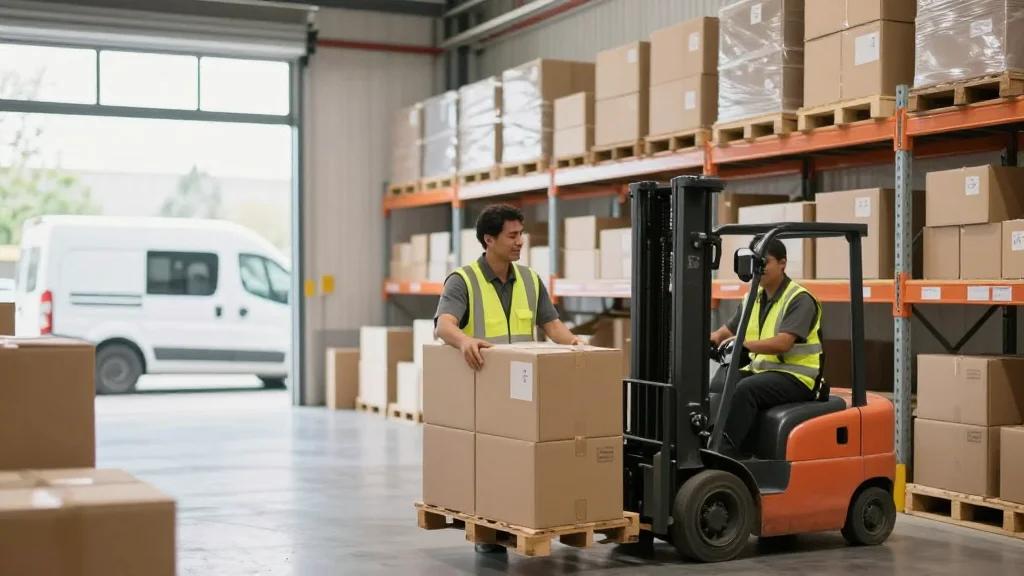
Shopee Launches Three Brazil Fulfillment Hubs, Adding 700,000 Daily Order Capacity

Companies Mentioned
Why It Matters
Shopee’s rapid logistics rollout underscores the escalating infrastructure arms race among Brazil’s top marketplaces. By expanding cross‑docking capacity, Shopee can accelerate order fulfillment, a critical lever for customer acquisition and retention in a market where delivery speed often outweighs price. The move also pressures Amazon and Mercado Livre to further invest in their own networks, potentially driving down shipping costs for consumers across the country. The creation of 900 jobs and the partnership with thousands of local agencies deepen Shopee’s integration with Brazil’s logistics ecosystem, reducing reliance on third‑party providers and giving the platform greater control over service quality. This vertical integration may set a new benchmark for how Asian e‑commerce giants compete in Latin America, shifting the competitive focus from pure marketplace volume to end‑to‑end supply‑chain excellence.
Key Takeaways
- •Shopee opened three fulfillment centers in Vitória, Curitiba and Fortaleza on May 5, 2026.
- •Combined capacity of the new hubs exceeds 700,000 orders per day.
- •Approximately 900 jobs were generated across the three locations.
- •Shopee’s Brazilian network now includes 22 distribution centers, 200+ logistics hubs and 45,000 partner drivers.
- •The expansion intensifies competition with Amazon Brazil and Mercado Livre on delivery speed and cost.
Pulse Analysis
Shopee’s aggressive logistics push reflects a strategic pivot from pure marketplace operations to a hybrid model that blends platform services with proprietary fulfillment. In Brazil, where geographic size and infrastructure gaps inflate delivery times, owning the last‑mile pipeline offers a decisive advantage. The cross‑docking model, already proven in Southeast Asian markets, minimizes inventory holding costs and aligns with Shopee’s low‑price positioning, allowing the company to undercut rivals on both price and speed.
Historically, Amazon’s dominance in Brazil has hinged on its Prime membership and extensive warehousing. Mercado Livre, meanwhile, leverages its Mercado Envios network to promise rapid delivery. Shopee’s new hubs, equipped with automated sorting, signal an intent to match or exceed these service levels without the capital intensity of full‑stock fulfillment centers. If Shopee can sustain high throughput while keeping costs low, it could erode the market share of its incumbents, especially among price‑sensitive consumers in Tier‑2 and Tier‑3 cities.
The broader implication for Latin America is a shift toward more integrated e‑commerce ecosystems. As regional players invest in logistics, barriers to entry rise for smaller marketplaces that lack similar infrastructure. This could accelerate consolidation, with the most capital‑rich platforms—Shopee, Amazon, Mercado Livre—capturing an ever‑larger slice of the market. Regulators may need to monitor the competitive dynamics to ensure that logistics monopolies do not stifle innovation or inflate shipping costs in the long run.
Shopee launches three Brazil fulfillment hubs, adding 700,000 daily order capacity
Comments
Want to join the conversation?
Loading comments...