Somali Influencer Drives $310 M Cross‑Border E‑Commerce Surge From China’s Hubei Hub

Companies Mentioned
Why It Matters
Omar’s story illustrates how China’s inland opening‑up hubs are becoming magnets for diaspora entrepreneurs who can blend local manufacturing prowess with global digital reach. By proving that high‑volume cross‑border sales can be generated from an interior city, the Ezhou model challenges the long‑standing coastal‑centric view of China’s e‑commerce dominance. This could accelerate the decentralization of supply chains, lower shipping costs for Western consumers, and increase the strategic importance of inland logistics corridors. The success also signals a shift in the power dynamics of global e‑commerce. Foreign influencers who previously relied on third‑party platforms now have a direct pathway to source, brand, and ship products at scale, potentially reducing dependence on large marketplaces like Amazon or Alibaba. This empowerment may spur a wave of niche, influencer‑driven brands that compete on speed, customization, and storytelling rather than sheer volume.
Key Takeaways
- •Somali influencer Mohamed Issa Omar runs daily live‑streams that generate 40‑50 orders per session.
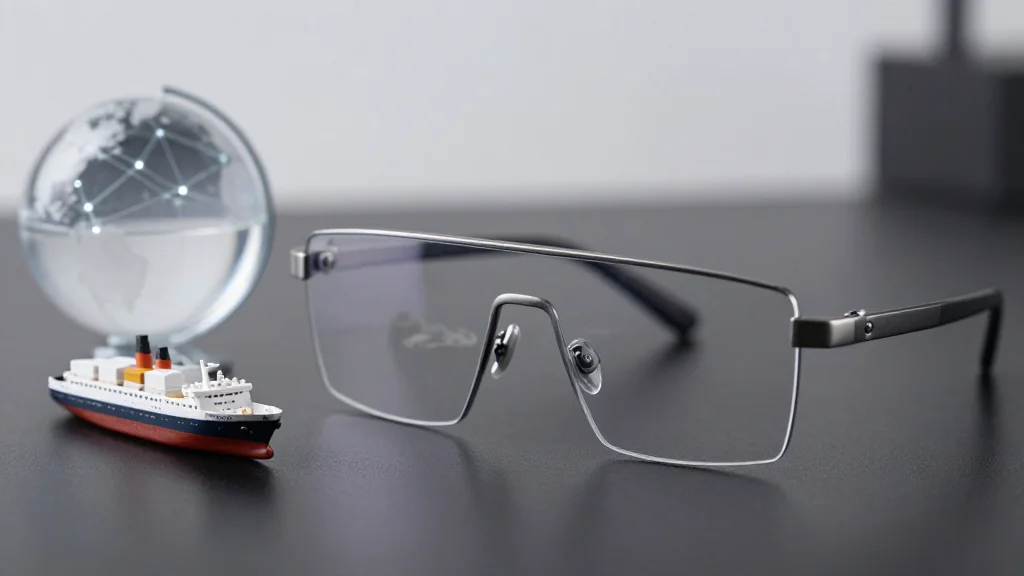
- •His AI‑powered glasses sell at least 100 units per day, contributing to $310 million trade value since April 2025.
- •Ezhou’s pilot zone hosts 258 enterprises, leveraging the Huahu International Airport cargo hub.
- •80 % of Omar’s inventory is sourced from Chinese manufacturers, cutting delivery times to 3‑4 days.
- •The model showcases how inland Chinese logistics can rival coastal e‑commerce centers.
Pulse Analysis
Omar’s rapid ascent underscores a convergence of three trends reshaping global e‑commerce: the rise of influencer‑driven direct‑to‑consumer sales, China’s strategic push to develop inland logistics corridors, and the growing appetite for ultra‑fast delivery. Historically, cross‑border sellers depended on coastal ports and third‑party marketplaces to reach overseas buyers. Ezhou’s pilot zone flips that script by offering a one‑stop ecosystem—manufacturing, bonded warehousing, and a cargo airport—right next to the influencer’s operations. This reduces lead times, cuts freight costs, and gives sellers tighter control over inventory, a competitive edge that larger platforms struggle to match.
From a macro perspective, the $310 million figure is a proof point that policy‑driven pilot zones can generate tangible economic output quickly. If other provinces replicate Ezhou’s incentives—tax breaks, streamlined customs, and dedicated cargo facilities—we may see a diffusion of e‑commerce power from Shanghai and Shenzhen to cities like Chengdu, Xi’an, and Wuhan. Such decentralization could alleviate pressure on coastal infrastructure, diversify risk, and create new regional growth poles.
For Western brands, the lesson is clear: partnering with local Chinese operators who understand both the supply chain and digital marketing landscape can unlock speed and scale previously reserved for domestic giants. As influencer‑led brands proliferate, the balance of power may shift toward agile, data‑driven entrepreneurs who can harness China’s manufacturing muscle without surrendering brand identity. The next frontier will likely be the integration of AI‑enhanced logistics and real‑time analytics, turning live‑stream sales into predictive inventory management—a development that could further compress the global e‑commerce value chain.
Somali Influencer Drives $310 M Cross‑Border E‑Commerce Surge from China’s Hubei Hub
Comments
Want to join the conversation?
Loading comments...