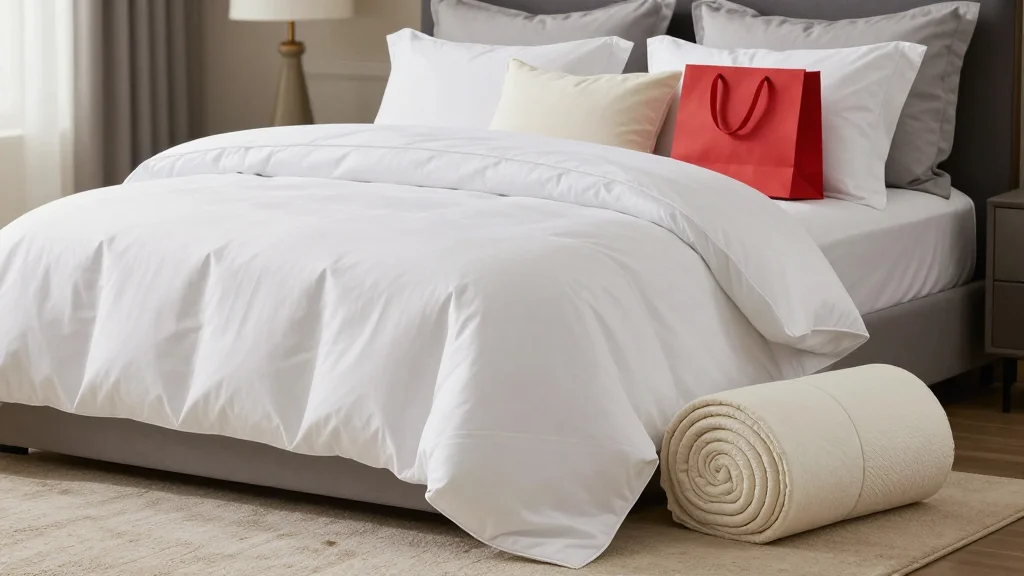
Target Teams with Parachute for $199‑Max ‘Cloud‑Like’ Bedding Line

Companies Mentioned
Why It Matters
Target’s alliance with Parachute illustrates how traditional brick‑and‑mortar retailers are using private‑label collaborations to compete with pure‑play e‑commerce giants. By offering a premium brand at accessible prices, Target can attract higher‑spending shoppers while maintaining its value proposition. The move also highlights a growing consumer appetite for curated, design‑forward home goods that can be purchased online with fast fulfillment. If the collection drives the anticipated traffic lift, it could accelerate a broader industry trend where retailers partner with niche brands to fill gaps in their assortments, thereby reducing reliance on third‑party marketplaces and improving margin profiles.
Key Takeaways
- •Target launches >200‑item Parachute bedding collection
- •Price range: $12‑$199, with most items under $90
- •Collection available online and in‑store, marketed as "cloud‑like"
- •Partnership aims to boost e‑commerce traffic and basket size
- •Reflects a wider retail shift toward premium private‑label collaborations
Pulse Analysis
Target’s decision to team up with Parachute is a calculated play to capture the sweet spot between premium quality and mass‑market affordability. Historically, Target’s collaborations have generated measurable lifts in both foot traffic and average order value, a pattern likely to repeat here given Parachute’s strong brand equity among design‑savvy consumers. By housing the entire line on its e‑commerce platform, Target not only taps into the 12% YoY growth in online home‑goods sales but also leverages its omnichannel capabilities—store pickup, same‑day delivery, and easy returns—to meet heightened consumer expectations for speed and convenience.
From a competitive standpoint, the partnership differentiates Target from Amazon’s own private‑label offerings, which often lack the design pedigree that Parachute brings. It also positions Target as a destination for aspirational home décor without the price tag of boutique retailers. This could erode market share from specialty stores that rely on higher margins and slower inventory turnover. Moreover, the collaboration may serve as a testing ground for future data‑driven product development; Target can analyze sales velocity, color preferences, and price elasticity across its extensive customer base to inform subsequent private‑label launches.
Looking forward, the success of the Parachute line could catalyze a cascade of similar partnerships across other categories, reinforcing Target’s strategy of curating exclusive, design‑forward assortments that drive repeat visits. If the collection meets or exceeds sales expectations, investors may view Target’s private‑label pipeline as a new engine for growth, potentially boosting its valuation relative to peers still reliant on traditional vendor relationships.
Target Teams with Parachute for $199‑Max ‘Cloud‑Like’ Bedding Line
Comments
Want to join the conversation?
Loading comments...