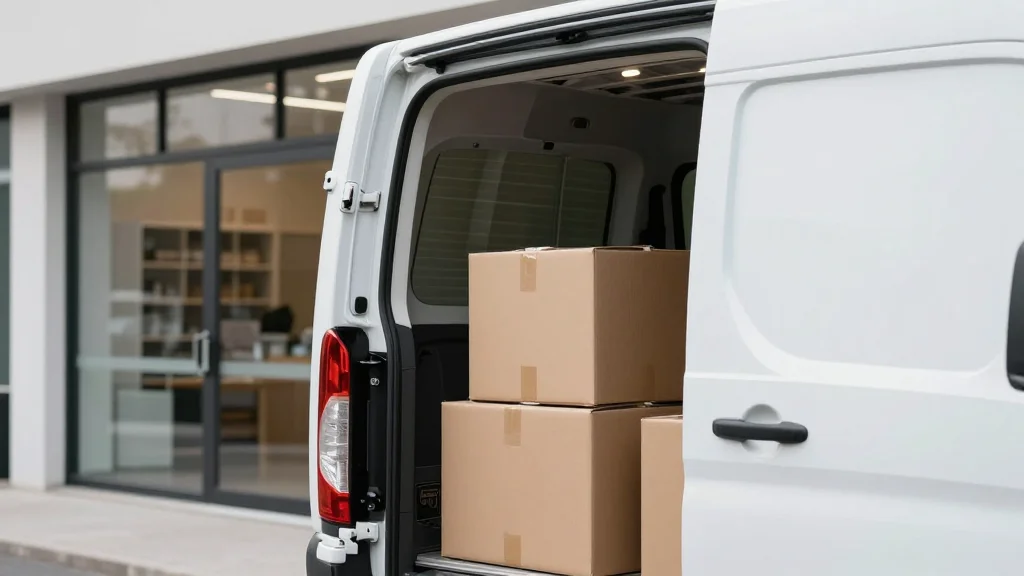
Walmart to Convert Vacant Retail Space Into Delivery Depots
Companies Mentioned
Why It Matters
The depot model shortens delivery windows, improves order accuracy, and gives Walmart a tangible edge in the intensifying grocery‑delivery battle with Amazon, while also monetizing otherwise idle retail real estate.
Key Takeaways
- •Walmart repurposes vacant stores into 20,000‑sq‑ft delivery depots.
- •Depots focus on fast‑moving groceries, reducing in‑store order strain.
- •Mini hubs bring inventory closer to customers, cutting delivery times.
- •Strategy counters Amazon’s 30‑minute grocery service expansion.
- •Reused retail space creates new logistics real estate revenue stream.
Pulse Analysis
Walmart’s pivot to micro‑fulfillment hubs reflects a broader industry shift toward hyper‑local inventory. By turning underutilized storefronts into dedicated pick‑up points, the retailer can bypass the bottlenecks of traditional supercenter order‑picking, which often forces employees to juggle online fulfillment and in‑store shoppers. The smaller footprint of a depot—roughly one‑tenth the size of a Supercenter—means lower overhead, quicker stock rotation, and the ability to experiment with product assortments tailored to neighborhood demand.
The move also serves as a strategic counterweight to Amazon’s aggressive 30‑minute grocery promise. Faster, more predictable deliveries have been shown to increase basket size, as Amazon executives repeatedly note. Walmart’s depots enable tighter control over delivery windows by positioning inventory within a few miles of the end consumer, reducing reliance on distant distribution centers. This proximity not only trims transit time but also cuts fuel costs and carbon emissions, aligning with growing consumer expectations for sustainable logistics.
Beyond the competitive angle, repurposing vacant retail space creates a new revenue stream for Walmart and signals a potential revival for struggling brick‑and‑mortar assets. As malls and strip centers lose foot traffic, converting them into logistics nodes offers a pragmatic reuse that benefits landlords, local economies, and the supply chain alike. However, success will hinge on accurate demand forecasting, seamless integration with existing warehouse management systems, and maintaining a consistent customer experience across a dispersed network of mini‑hubs. If executed well, Walmart’s depot strategy could redefine the geography of last‑mile delivery in the United States.
Walmart to Convert Vacant Retail Space Into Delivery Depots
Comments
Want to join the conversation?
Loading comments...