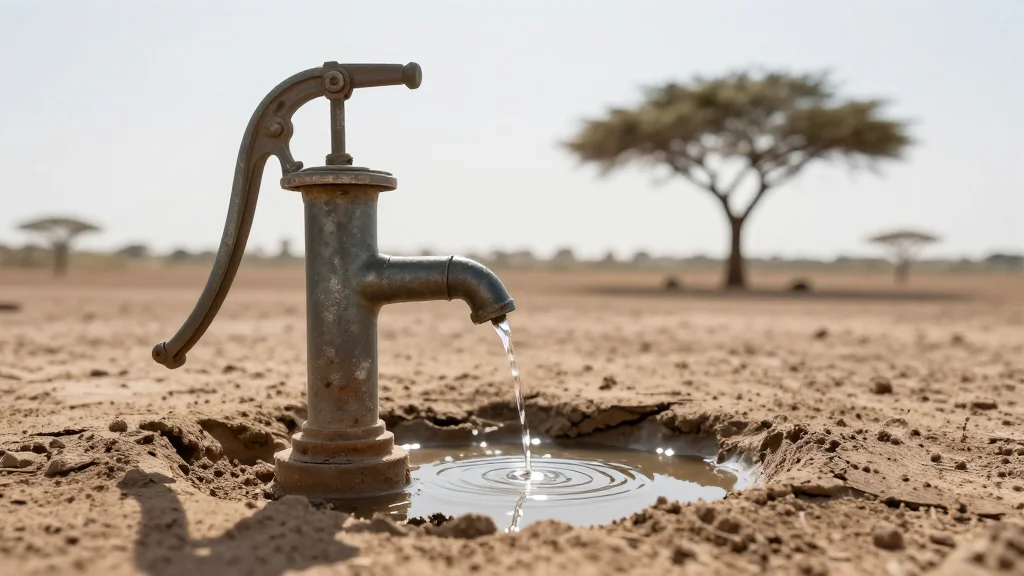
42 Killed in Chad Water‑Point Clash as Military Steps In to Contain Violence

Why It Matters
The deadly clash in eastern Chad highlights how climate‑induced resource scarcity can ignite ethnic and familial violence, threatening both local stability and broader regional security. As Sudan’s war drives massive refugee flows into Chad, competition over water and grazing land intensifies, creating a volatile environment that can quickly spill over into neighboring states. For investors and development agencies focused on emerging markets, the incident underscores the importance of resilient infrastructure and conflict‑sensitive policies. Without addressing water security and effective dispute‑resolution mechanisms, the risk of sudden disruptions to trade, agriculture, and humanitarian operations remains high, potentially deterring investment and slowing economic growth across the Sahel corridor.
Key Takeaways
- •42 people killed and 10 injured in a water‑point dispute in Igote, Wadi Fira province.
- •Chadian army’s rapid deployment was credited with containing the violence.
- •Deputy Prime Minister Limane Mahamat announced customary mediation and judicial proceedings.
- •Hundreds of thousands of Sudanese refugees have heightened resource pressure in eastern Chad.
- •The clash threatens regional trade routes and could impede humanitarian aid delivery.
Pulse Analysis
The Igote tragedy is a stark reminder that climate change is no longer a distant threat for Central Africa; it is a catalyst for immediate, lethal conflict. Water scarcity, exacerbated by an influx of refugees, creates a tinderbox where longstanding farmer‑herder tensions can ignite with a single spark. The Chadian government's reliance on swift military action bought time, but it does not address the structural drivers of violence. Sustainable peace will require coordinated investment in water infrastructure, such as boreholes and rain‑water harvesting, coupled with robust community‑level mediation frameworks that respect local customs while enforcing the rule of law.
From a market perspective, the incident could ripple through supply chains that depend on stable cross‑border trade between Chad, Sudan, and the wider Sahel. Agricultural exporters, livestock traders, and NGOs operating in the region may face heightened security costs and operational delays. Investors eyeing the region’s emerging sectors—particularly renewable energy and agribusiness—must factor in the risk of sudden resource‑based unrest. Engaging with local stakeholders to develop climate‑adaptation strategies could mitigate these risks and unlock new opportunities for resilient growth.
In the longer term, the effectiveness of the announced “customary mediation” will be a litmus test for Chad’s capacity to blend traditional governance with modern state mechanisms. Successful mediation could serve as a model for other resource‑strained societies across Africa, demonstrating that culturally attuned conflict resolution can complement security measures. Conversely, a failure to deliver justice and equitable resource access may entrench cycles of violence, further destabilising an already fragile region and deterring the foreign direct investment needed for development.
42 Killed in Chad Water‑Point Clash as Military Steps In to Contain Violence
Comments
Want to join the conversation?
Loading comments...