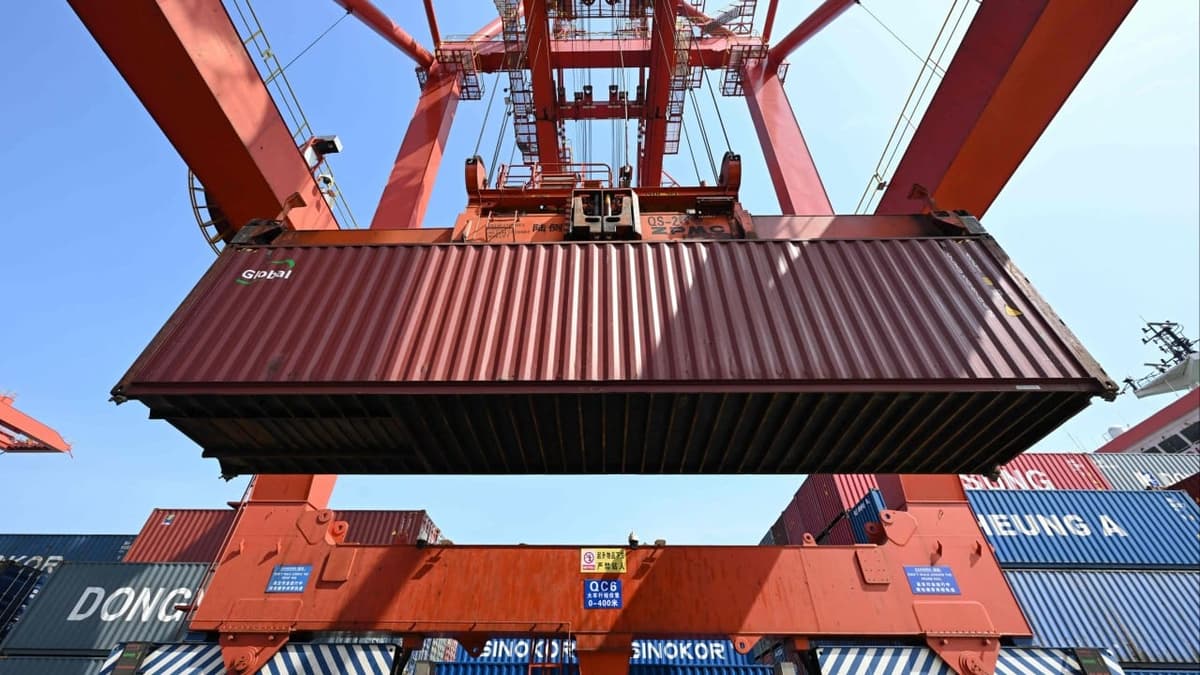
Asia Growth Forecasts Slashed as Iran War and Tariffs Threaten Supply Chains
Companies Mentioned
Why It Matters
Slower growth in the world’s largest manufacturing hub threatens global trade flows and corporate earnings, prompting firms and policymakers to reassess risk exposure. The outlook signals heightened volatility for investors targeting Asia‑Pacific markets.
Key Takeaways
- •IMF cuts emerging Asia growth forecast to 4.9% for 2024
- •ADB lowers developing Asia growth outlook to 5.1% in 2026
- •WTO warns high energy prices could shave 0.3% global growth
- •US tariff uncertainty adds risk to Asia‑Pacific supply chains
- •Iran conflict threatens shipping lanes and container demand
Pulse Analysis
The latest forecasts from the IMF, Asian Development Bank and World Bank reveal a converging narrative: Asia‑Pacific economies are poised for a noticeable slowdown as geopolitical shocks intersect with trade policy uncertainty. While China posted a resilient 5% first‑quarter growth, the broader region’s outlook has been revised downward, reflecting the compounded impact of elevated oil and gas prices stemming from the Middle East conflict and the lingering effects of U.S. tariff disputes. Analysts note that even modest revisions—such as the IMF’s 0.6‑percentage‑point cut—translate into billions of dollars of lost output across the 32% of global trade that the region commands.
Supply‑chain managers are already feeling the pressure. Higher energy costs inflate manufacturing expenses, while the threat of disrupted shipping through the Strait of Hormuz raises freight rates and container availability. The WTO’s projection that merchandise trade could fall by 0.5 percentage points underscores the vulnerability of export‑dependent economies, from Vietnam’s electronics sector to South Korea’s automotive industry. Companies reliant on imported raw materials face tighter margins, prompting a shift toward regional sourcing and inventory buffering to mitigate volatility.
Policymakers and investors are responding with a mix of defensive and strategic measures. Governments are accelerating negotiations on trade agreements to offset tariff risks, while central banks monitor inflationary pressures from energy spikes. Investors are reallocating capital toward sectors less exposed to energy price swings, such as services and high‑value tech, and increasing exposure to firms with diversified supply‑chain footprints. The evolving outlook suggests that firms able to adapt quickly to higher input costs and potential shipping disruptions will preserve profitability, whereas those entrenched in fragile, single‑source supply chains may see earnings erode as the geopolitical backdrop remains unsettled.
Asia growth forecasts slashed as Iran war and tariffs threaten supply chains
Comments
Want to join the conversation?
Loading comments...