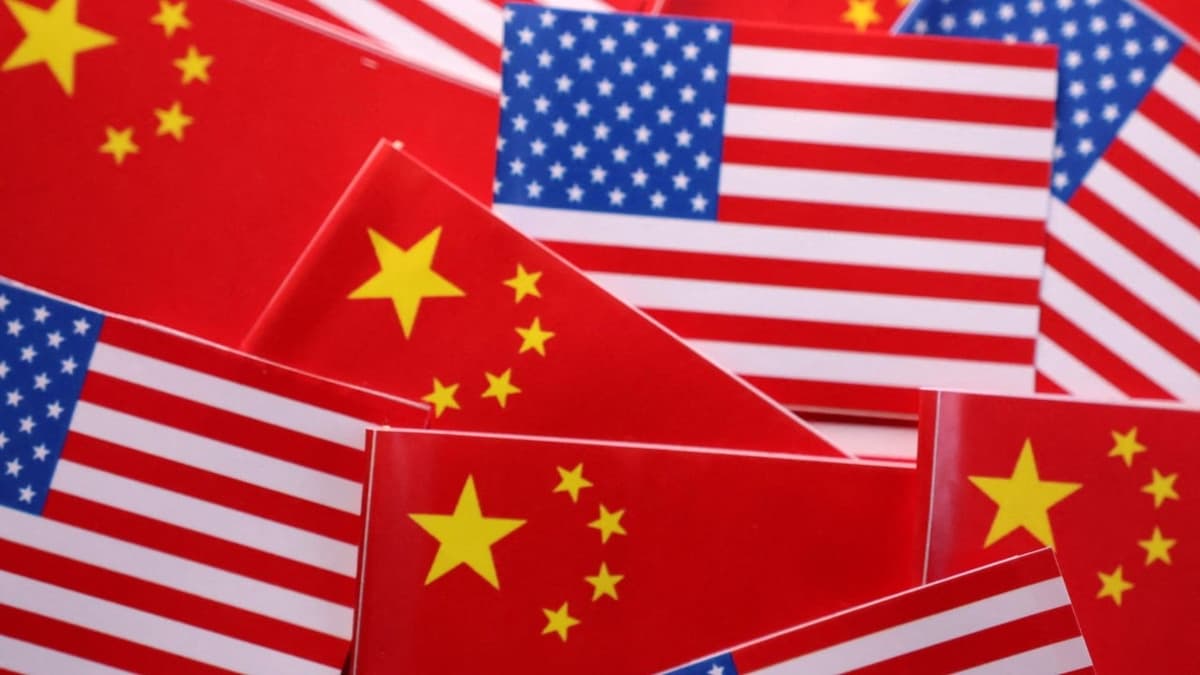
Beijing’s Emphasis on Security Weighing on US Firms’ Optimism: AmCham China
Why It Matters
The tension between regulatory liberalisation and security‑driven restrictions shapes the risk landscape for U.S. investors, influencing strategic decisions across sectors. Understanding these dynamics is crucial for companies navigating China’s evolving market access and compliance environment.
Key Takeaways
- •AmCham China notes regulatory improvements but security focus dampens optimism
- •Broad, evolving data security definitions increase compliance complexity for U.S. firms
- •Uneven market access and non‑tariff barriers remain major concerns
- •Trump’s upcoming China visit expected to yield modest business outcomes
- •China’s Q1 2026 GDP grew 5%, yet sector growth varies
Pulse Analysis
The latest AmCham China white paper paints a nuanced picture of the U.S. business climate in the world’s second‑largest economy. While Beijing has introduced targeted refinements to foreign‑investment policies and clarified cross‑border data governance, the overarching emphasis on national and economic security introduces uncertainty. Broad definitions of data security and heightened review processes mean compliance teams must allocate more resources to navigate a shifting regulatory maze, a factor that can slow market entry and increase operational costs.
Beyond regulatory intricacies, structural challenges persist. Companies cite uneven market access, where national‑level policy intentions clash with local enforcement, and non‑tariff barriers such as rare‑earth export controls and licensing delays. These frictions, coupled with industrial overcapacity, erode the competitive advantage foreign firms seek. The sentiment is reflected in AmCham’s annual climate survey, which now flags China’s slowing growth as a top concern, despite a headline‑grabbing 5% GDP expansion in the first quarter of 2026.
President Trump’s scheduled May visit to Beijing offers a diplomatic avenue for dialogue, yet American executives temper expectations. Industry leaders anticipate modest outcomes—potentially limited to agricultural and aviation deals—rather than sweeping policy breakthroughs. For U.S. firms, the visit underscores the importance of sustained engagement and strategic flexibility. Navigating China’s evolving security posture while leveraging sectors like electric vehicles and renewable energy will require a balanced approach that weighs regulatory risk against growth opportunities.
Beijing’s emphasis on security weighing on US firms’ optimism: AmCham China
Comments
Want to join the conversation?
Loading comments...