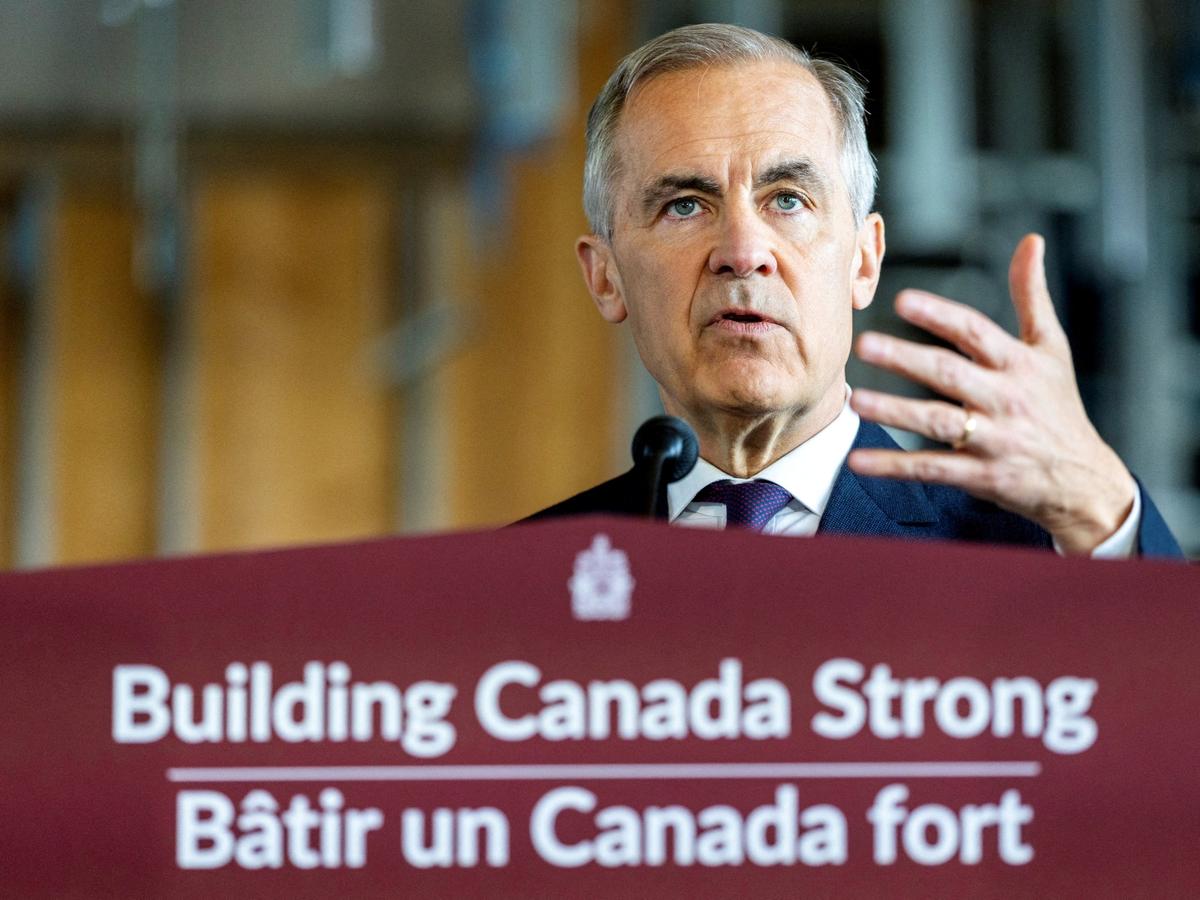
Carney ‘Strong’ in Year One, Now Must Deliver on Promises in Canada
Companies Mentioned
Why It Matters
Carney’s diplomatic pivot reduces Canada’s over‑reliance on the United States, opening new growth avenues, while his domestic reforms and upcoming trade negotiations will shape Canada’s economic resilience and geopolitical standing.
Key Takeaways
- •Carney avoided rushed US‑Canada trade deal, kept policy autonomy.
- •Re‑engaged India, China, Japan, boosting diversification beyond US market.
- •Approval rating rose to 58%, up 10 points in one year.
- •Major Projects Bill fast‑tracks infrastructure, raising Indigenous consultation concerns.
- •USMCA review may force tariff alignment, testing Carney’s diversification plan.
Pulse Analysis
Carney’s inaugural year unfolded against a backdrop of aggressive U.S. tariffs that threatened Canada’s export‑driven economy. By refusing to capitulate to a hastily negotiated trade agreement, he preserved strategic flexibility and signaled to global partners that Canada would not be a passive pawn in Washington’s protectionist playbook. This stance resonated with business leaders seeking stable, rule‑based markets, reinforcing Canada’s reputation as a reliable trade hub despite geopolitical turbulence.
Beyond the U.S. friction, Carney embarked on an ambitious diplomatic outreach, inviting Indian Prime Minister Narendra Modi to the G7 and repairing strained ties with China, Japan and South Korea. These moves aim to diversify export destinations, reduce dependence on the American market, and tap into high‑growth sectors such as electric vehicles and agri‑technology. Analysts view the outreach as a pragmatic response to a “rupture” in the global rules‑based order, positioning Canada as a middle power that can broker new supply‑chain links across Asia and Europe.
Domestically, Carney’s centrist narrative has boosted his approval to 58%, but his policy agenda faces scrutiny. The Major Projects Bill promises faster infrastructure delivery, yet Indigenous groups warn of inadequate consultation, highlighting the tension between speed and inclusivity. Meanwhile, the upcoming USMCA review forces Canada to balance tariff alignment with its diversification goals. Success will hinge on Carney’s ability to deliver tangible trade deals while navigating U.S. pressure, a test that will define Canada’s economic trajectory for years to come.
Carney ‘strong’ in year one, now must deliver on promises in Canada
Comments
Want to join the conversation?
Loading comments...