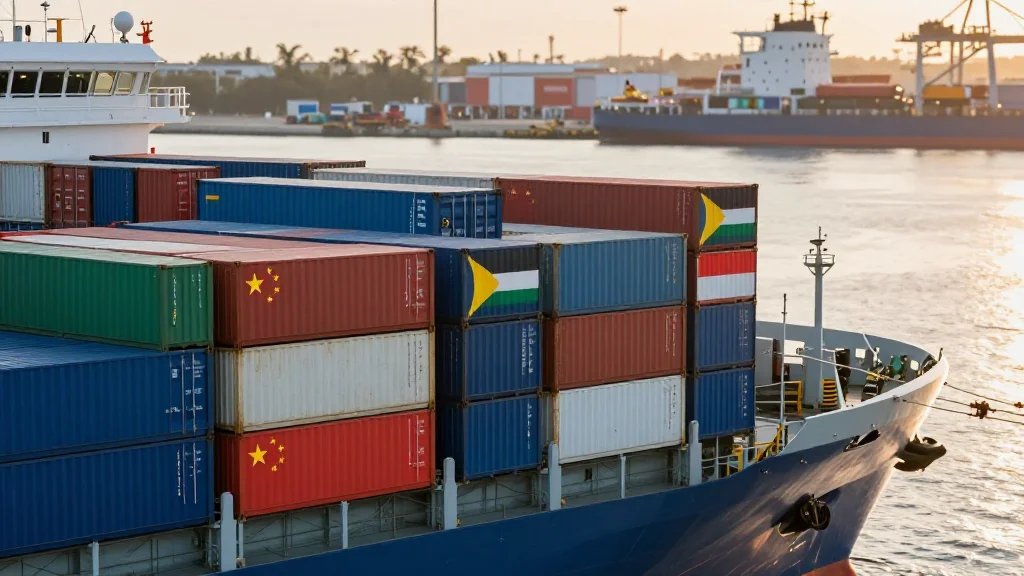
China Grants Zero‑Tariff Access to 53 African Nations, Boosting Emerging‑Market Trade

Why It Matters
The zero‑tariff policy directly impacts emerging markets by lowering the cost of essential imports, potentially accelerating infrastructure development and industrialization across Africa. By removing a key barrier to trade, China is positioning itself as the continent’s primary supplier, which could reshape supply chains and influence the strategic calculus of other global powers. For investors, the policy signals a surge in demand for logistics, port services, and ancillary industries in African economies, creating new opportunities for capital allocation. At the same time, the move raises questions about trade dependency and the need for African policymakers to balance cheap imports with the development of domestic manufacturing capabilities.
Key Takeaways
- •China eliminates tariffs on imports from all 53 African nations with diplomatic ties.
- •Zero‑tariff policy aims to counter rising global protectionism and boost Chinese‑African trade.
- •Potential price reductions of 5‑15% on Chinese goods could spur demand for infrastructure and technology.
- •First shipment under the new regime expected to clear within weeks of the May 1 announcement.
- •Policy may shift trade balances, increase Chinese influence, and prompt policy responses from other major economies.
Pulse Analysis
China’s zero‑tariff rollout is more than a trade concession; it is a strategic lever in the broader contest for influence over the Global South. By removing customs duties, Beijing reduces the landed cost of its exports, making Chinese products the default choice for many African buyers. This advantage is likely to translate into higher market share for Chinese firms, especially in sectors where price sensitivity is acute, such as construction equipment, renewable energy components, and consumer electronics.
Historically, China has used trade incentives to cement relationships—think of the Belt and Road Initiative’s financing packages. The current policy builds on that playbook, but with a direct fiscal benefit that bypasses the need for large-scale loan agreements. For African economies, the immediate upside is clear: cheaper inputs can accelerate projects, lower consumer prices, and potentially create jobs. However, the longer‑term risk lies in deepening import dependence, which could stifle the growth of nascent local industries and lock countries into a supplier‑centric model.
Investors should monitor the policy’s implementation metrics, particularly customs clearance times and the volume of goods cleared under the zero‑tariff regime. Companies operating in logistics, port services, and trade finance stand to benefit from increased throughput, while firms in sectors vulnerable to Chinese competition may need to reassess their market strategies. The policy also sets a precedent that could inspire similar moves from other major economies seeking footholds in emerging markets, potentially igniting a new wave of tariff liberalization contests worldwide.
China Grants Zero‑Tariff Access to 53 African Nations, Boosting Emerging‑Market Trade
Comments
Want to join the conversation?
Loading comments...