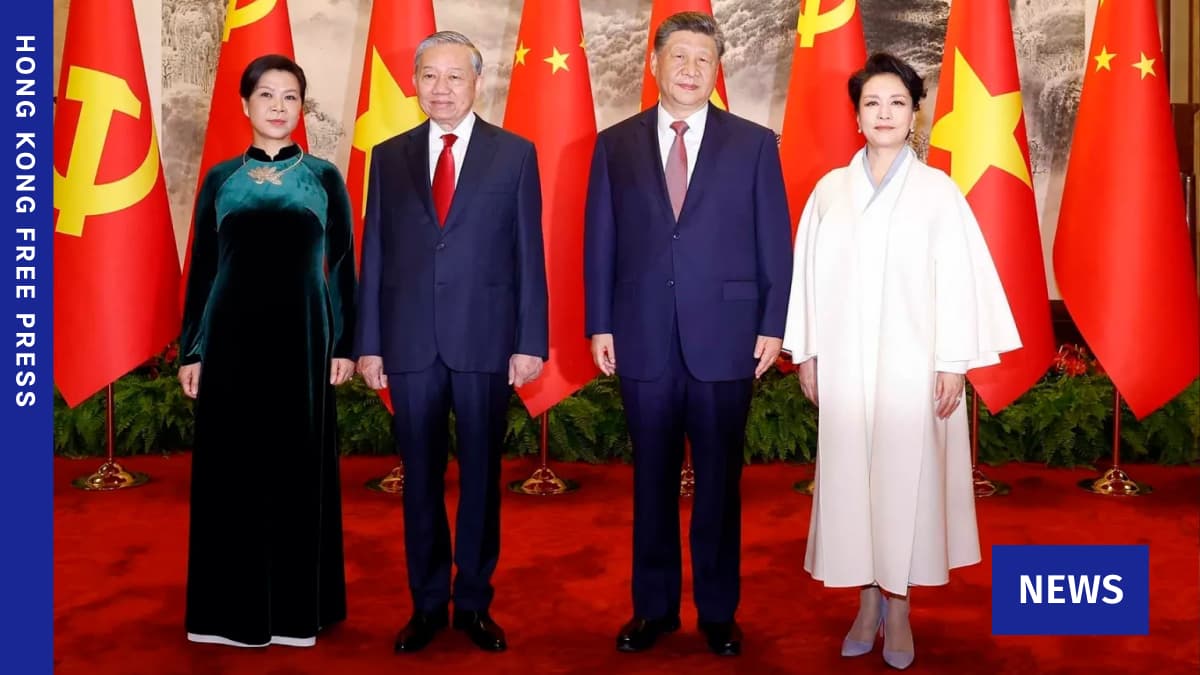
Chinese, Vietnamese Leaders Sign Cooperation Deals
Why It Matters
Deepening Sino‑Vietnam ties could reshape regional supply chains and affect Vietnam’s ability to meet its double‑digit growth ambition while navigating U.S.‑China rivalry. The agreements also signal Beijing’s intent to cement influence in Southeast Asia amid broader geopolitical tensions.
Key Takeaways
- •Vietnam's President To Lam's first overseas trip focuses on China ties
- •Agreements aim to shift trade from volume to quality, strategic infrastructure
- •Vietnam's trade deficit with China nears $100 billion despite rising imports
- •Balancing U.S. market reliance with Chinese partnership challenges Hanoi's growth goals
- •Leaders flock to Beijing amid Middle East conflict and oil concerns
Pulse Analysis
To Lam’s Beijing visit marks a symbolic and practical pivot for Vietnam’s foreign policy. By signing cooperation pacts that stress quality over quantity, Hanoi signals a desire to embed its economy deeper into China‑led development corridors, from production lines to strategic infrastructure projects. This approach mirrors Beijing’s broader Belt‑and‑Road outreach, offering Vietnam access to capital and technology while demanding tighter policy alignment. The timing—just weeks after Lam’s election—highlights the priority the new administration places on managing the China relationship.
Trade data underscores the asymmetry of the partnership. Chinese goods to Vietnam rose 22.4% last year, accounting for $198 billion in imports, while Vietnamese exports to China slipped 0.7%, leaving a deficit nearing $100 billion. Such a gap fuels domestic debate over dependence on Chinese supply chains, especially as territorial disputes in the South China Sea linger. By shifting focus to joint development strategies and supply‑chain integration, both sides aim to mitigate volatility from external shocks, such as U.S. tariff cycles, and create more resilient trade flows.
The diplomatic flurry in Beijing extends beyond Vietnam. Leaders from Russia, Spain and the United Arab Emirates arrived amid the Middle East war and its ripple effects on oil logistics through the Strait of Hormuz. For Vietnam, aligning with China offers a hedge against global trade disruptions but also complicates its relationship with the United States, its top export market. Navigating this dual‑track strategy will be critical as Hanoi pursues its ambitious double‑digit growth target over the next five years, balancing geopolitical realities with economic imperatives.
Chinese, Vietnamese leaders sign cooperation deals
Comments
Want to join the conversation?
Loading comments...