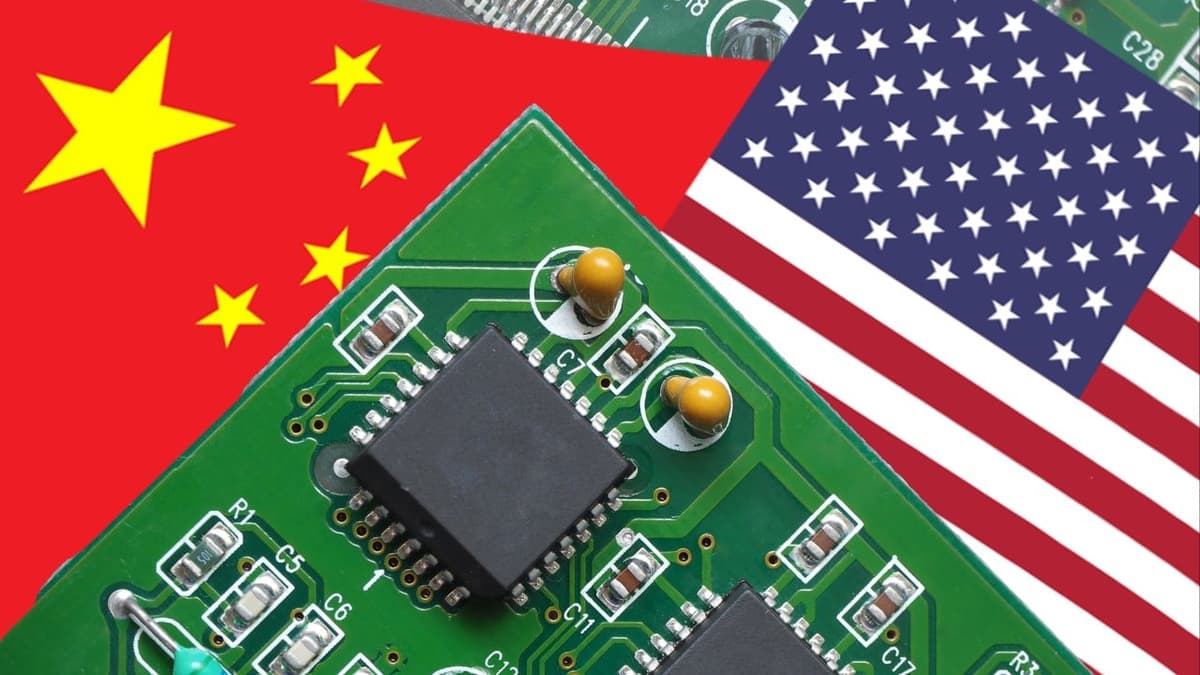
Chips, Oil and Iran: Why US Is Raising Pressure on China Before Xi-Trump Talks
Why It Matters
The coordinated tech and financial restrictions aim to blunt China’s strategic advances and give the U.S. leverage in the upcoming Xi‑Trump talks, while reshaping global chip supply chains and energy finance.
Key Takeaways
- •US House advances 20 export‑control measures targeting Chinese chip equipment
- •Commerce Dept halts shipments to Hua Hong, China's second‑largest chipmaker
- •China doubled domestically produced AI accelerator chips in two months
- •US Treasury warns banks over Iran‑linked Chinese “teapot” refineries
- •Beijing’s strategic oil reserves and AI push offset US pressure
Pulse Analysis
The latest wave of U.S. export controls reflects a broader strategy to contain China’s ascent in high‑technology sectors. By expanding the scope of restrictions from company‑specific bans to sector‑wide limits, Washington is compelling allies such as the Netherlands and Japan to align with its curbs on advanced lithography and AI‑related equipment. This approach not only narrows China’s access to cutting‑edge tools but also signals to global markets that the U.S. is prepared to use legislative muscle to preserve its leadership in semiconductor manufacturing.
China’s response underscores a growing self‑reliance drive. Within weeks, the nation has doubled the output of domestically produced AI accelerator chips and commissioned its largest AI computing cluster, all without U.S. components. Parallel investments in deep‑ultraviolet lithography aim to close the gap in advanced chip production. These moves suggest Beijing is building a resilient supply chain that can weather external pressure, while also positioning itself as a competitor in AI‑driven research and development.
Beyond technology, the U.S. is leveraging financial levers to tie China to broader geopolitical concerns, notably Iran’s oil exports. Treasury warnings about “teapot” refineries signal potential sanctions for institutions facilitating dollar‑denominated transactions, a tactic designed to isolate China’s energy trade and rally support for U.S. policy in the Middle East. As the Xi‑Trump summit approaches, these layered pressures could shape negotiation dynamics, influencing everything from trade terms to security commitments, and reverberating through global chip markets and energy finance.
Chips, oil and Iran: why US is raising pressure on China before Xi-Trump talks
Comments
Want to join the conversation?
Loading comments...