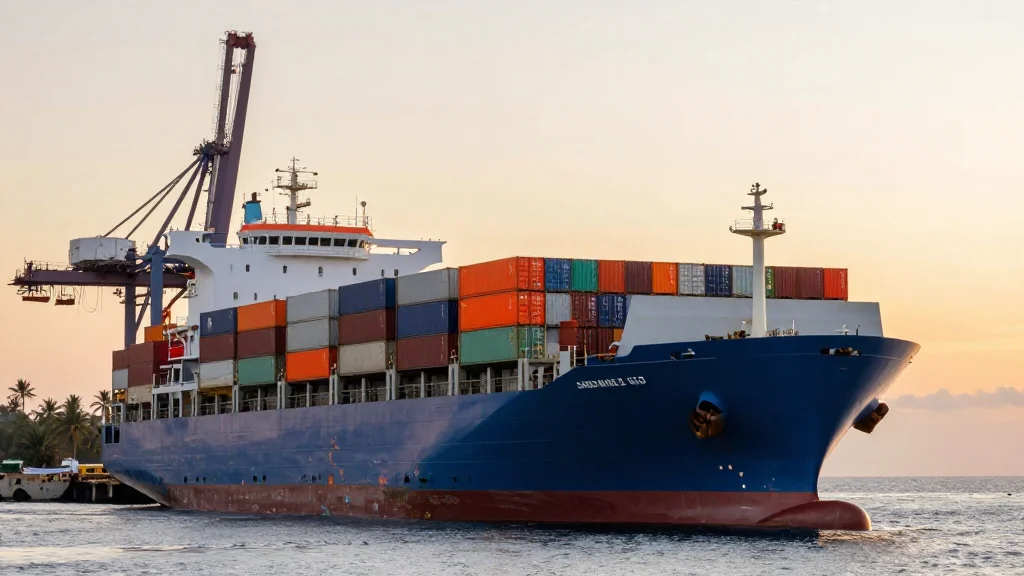
CMA CGM Commits $800 M to Mombasa Port as Africa Forward Summit Widens Investment Agenda

Companies Mentioned
Why It Matters
The CMA CGM investment represents one of the largest single‑project inflows into East African infrastructure this year, directly addressing bottlenecks that have hampered regional trade. Faster, higher‑capacity ports lower logistics costs, making African exports more competitive on global markets and strengthening the AfCFTA’s goal of a seamless intra‑continental supply chain. At the same time, the protests at the Africa Forward Summit reveal a rising political economy where civil society demands that foreign capital be tied to tangible benefits for African workers and communities. The clash between large‑scale foreign‑direct investment and grassroots calls for sovereignty will shape how emerging‑market investors structure future deals, potentially accelerating the shift toward joint‑venture models, local equity stakes, and stricter environmental safeguards.
Key Takeaways
- •CMA CGM pledged $800 million to modernise Kenya’s Port of Mombasa.
- •Eleven bilateral agreements signed at the summit total over $1 billion.
- •Mombasa handled >2.1 million TEUs in 2025, but congestion raised costs for landlocked neighbours.
- •PASAI activists detained on May 11‑12 protested the summit’s “green capitalism” narrative.
- •Port upgrades aim to accommodate post‑Panamax vessels and support AfCFTA trade flows.
Pulse Analysis
The Mombasa port deal is a litmus test for how African economies can attract deep‑pocketed foreign investors while retaining policy autonomy. Historically, large infrastructure projects in the region have been financed through multilateral loans that often come with stringent fiscal conditions. By securing a private‑sector commitment from a French firm, Kenya sidesteps some of those constraints, but it also opens the door to strategic influence—particularly as France seeks to re‑brand its Africa policy beyond its former Francophone stronghold. The success of the project will hinge on the ability of Kenyan authorities to enforce transparent procurement, enforce local content requirements, and integrate the upgraded capacity into regional rail and road corridors.
Equally important is the social backlash captured by PASAI. Their digital mobilisation illustrates a new frontier in emerging‑market politics: activists can now amplify local grievances on a global stage within hours. Investors will need to factor in reputational risk and community consent into deal structures, perhaps by embedding ESG clauses that go beyond the standard carbon‑emission metrics. In practice, this could mean co‑funding community development funds or guaranteeing job creation targets for Kenyan nationals.
Looking ahead, the Africa Forward Summit’s broader agenda—covering digital rights, defense accords, and climate finance—suggests that future capital inflows will be evaluated through a multidimensional lens. For emerging‑market financiers, the lesson is clear: the era of “big‑ticket” projects delivered in isolation is ending. Success will belong to those who can blend capital efficiency with political legitimacy, delivering infrastructure that not only moves containers but also moves the continent toward a more inclusive, sovereign growth trajectory.
CMA CGM commits $800 m to Mombasa port as Africa Forward Summit widens investment agenda
Comments
Want to join the conversation?
Loading comments...