COMMENT: Modi’s Silence on Middle East Crisis Exposes His Lack of International Clout
•March 1, 2026
0
Why It Matters
Modi’s silence underscores the limits of India’s international clout and could erode its credibility as a rising global power and voice for the Global South.
Key Takeaways
- •Modi posted cricket, investments, no crisis comment.
- •India bought arms from Israel, energy from Iran simultaneously.
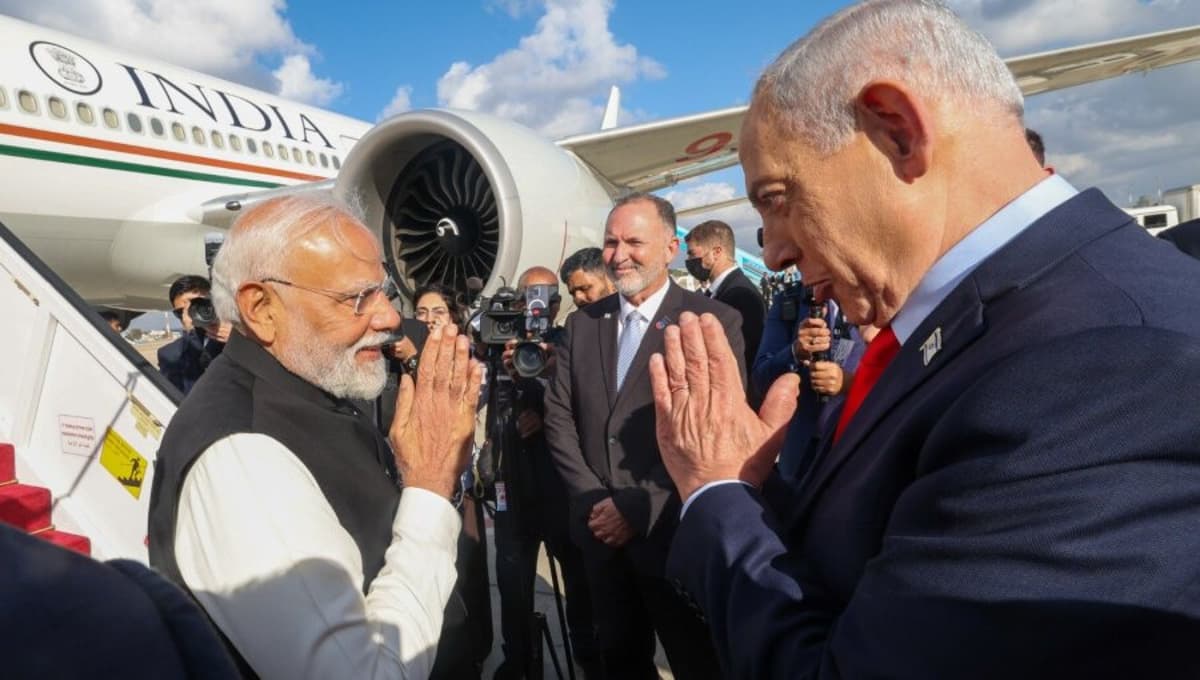
- •Prior Israel visit highlighted deepening Indo‑Israeli ties.
- •Fence‑sitting risks diminishing India's global leadership credibility.
- •Silence may weaken India's voice in Global South.
Pulse Analysis
The recent Middle East escalation has prompted swift reactions from most world capitals, yet New Delhi’s premier chose a markedly different path. While leaders in Washington, Brussels and Tehran issued condemnations or calls for restraint, Narendra Modi filled his timeline with cricket milestones and domestic initiatives. This communication strategy reflects a broader pattern: Modi prefers low‑risk public messaging, reserving diplomatic pronouncements for moments when his words can shift outcomes. The contrast between his social media activity and the gravity of the conflict highlights a calculated avoidance of entanglement in a volatile regional dispute.
India’s foreign policy has long been defined by strategic autonomy, a balancing act that now sees it simultaneously sourcing defense equipment from Israel and energy supplies from Iran. Such dual‑track engagement allows New Delhi to hedge against supply disruptions and maintain leverage with competing powers, including the United States. However, this approach also creates a perception of indecisiveness, especially when the nation’s largest democracy refrains from taking a clear stance during a crisis that threatens global energy markets and regional stability. Analysts argue that the silence may be intended to preserve economic ties, but it also risks alienating partners who expect moral leadership from a rising power.
The diplomatic fallout from Modi’s silence could be significant. As India seeks to position itself as a champion of the Global South and a counterweight to Western influence, a muted response may be interpreted as a lack of conviction, diminishing its soft power appeal. Moreover, regional actors may question India’s reliability as a mediator or strategic partner, potentially limiting future cooperation on security and trade. Moving forward, New Delhi will need to calibrate its messaging to reaffirm its role on the world stage without compromising the nuanced relationships it has cultivated across competing blocs.
COMMENT: Modi’s silence on Middle East crisis exposes his lack of international clout
0
Comments
Want to join the conversation?
Loading comments...