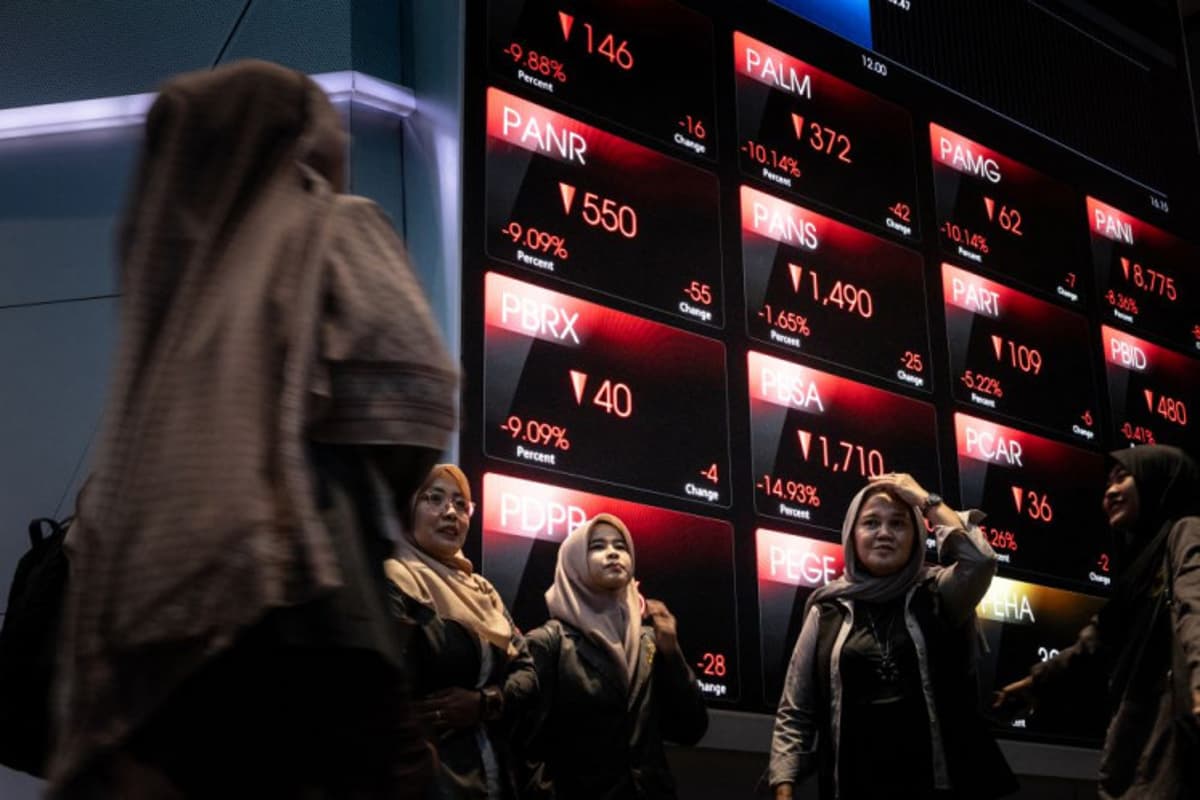
Demutualizing IDX to Deepen Market Trust
•February 16, 2026
0
Why It Matters
Demutualization strengthens governance and investor confidence, positioning Indonesia’s capital market for deeper liquidity and greater international integration. It creates a more transparent, investor‑friendly environment that can draw institutional and foreign capital.
Key Takeaways
- •IDX will become shareholder‑owned, not member‑owned
- •Governance separation reduces conflict of interest
- •Free‑float minimum set at 15% for listed firms
- •Diverse shareholders improve board oversight
- •International standards boost investor confidence
Pulse Analysis
Indonesia’s decision to demutualize its flagship exchange reflects a global trend where stock markets shift from member‑driven structures to corporate‑style governance. By converting IDX into a shareholder‑owned entity, the exchange can establish clear lines between ownership, management, and market participants, mitigating the inherent conflicts that arise when traders also control policy decisions. This structural overhaul is expected to enhance regulatory oversight, foster innovation, and bring IDX’s operational model in line with leading exchanges in Singapore, Hong Kong, and Tokyo.
The Financial Services Authority’s parallel move to mandate a 15 percent free‑float for listed companies adds a liquidity‑boosting layer to the reform. A higher free‑float expands the pool of tradable shares, reducing price volatility and encouraging broader participation from institutional investors who require sufficient float to execute sizable trades without market impact. Compared with regional peers—where free‑float thresholds typically range from 10 to 25 percent—Indonesia’s target positions IDX competitively, signaling readiness for deeper integration into global capital‑raising networks.
For investors, the combined reforms promise a more transparent and stable market environment. Enhanced corporate‑governance standards, aligned disclosure practices, and diversified board representation should improve confidence in listing decisions and enforcement actions. While the transition entails operational challenges, such as restructuring ownership and adapting to new reporting requirements, the long‑term payoff includes increased foreign inflows, higher market capitalization, and a more resilient financial ecosystem capable of supporting Indonesia’s growth ambitions.
Demutualizing IDX to deepen market trust
0
Comments
Want to join the conversation?
Loading comments...