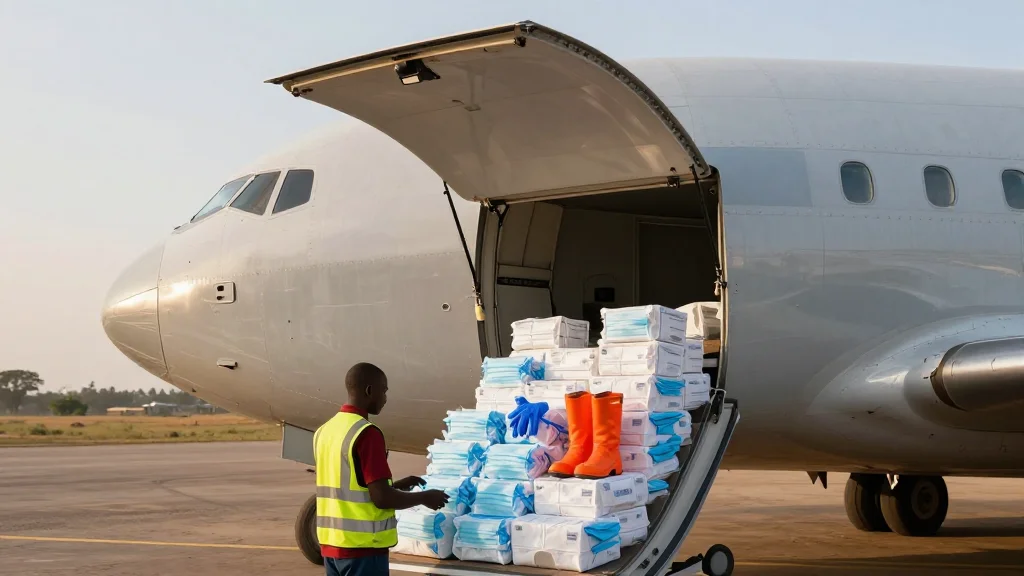
EU Aid Plane Delivers Critical Supplies to Congo Ebola Epicenter as WHO Heads to Kinshasa

Why It Matters
The outbreak highlights how health crises can quickly destabilize emerging markets, where weak health systems intersect with ongoing conflict. A failure to contain Ebola could depress economic activity in the Democratic Republic of Congo, deter foreign investment, and increase migration pressures across the Great Lakes region. Moreover, the response underscores the importance of coordinated multilateral aid—EU airlifts, U.S. financing, and WHO leadership—to mitigate systemic risks that reverberate beyond borders. For investors and policymakers, the situation serves as a reminder that pandemic preparedness is a core component of market stability in low‑income economies. Strengthening supply chains, securing humanitarian corridors, and fostering community trust are essential to prevent health shocks from spiraling into broader economic and security crises.
Key Takeaways
- •EU cargo plane delivered masks, gloves, boots and medication to Bunia on Thursday.
- •U.S. increased Ebola aid by $80 million, total pledges now exceed $112 million.
- •More than 1,000 suspected cases and 220 deaths reported in Congo since May 15.
- •Armed groups have attacked health centers at least three times, hindering response.
- •WHO Director‑General Tedros called for a ceasefire to protect health workers.
Pulse Analysis
The rapid EU airlift reflects a growing recognition that health emergencies in fragile states demand swift, high‑visibility logistics. Historically, delayed responses to Ebola in West Africa (2014‑16) cost billions in lives and economic output; donors now appear intent on avoiding a repeat in the Congo basin. By coupling material aid with diplomatic pressure for a ceasefire, the international community is testing a hybrid model of humanitarian‑security intervention.
If successful, the coordinated effort could set a precedent for future outbreak responses in conflict‑ridden emerging markets, where conventional aid channels are often blocked. However, the reliance on air deliveries underscores persistent infrastructure deficits; without durable improvements to roads, storage, and communications, each emergency will likely require costly airlifts, inflating aid budgets and straining donor fatigue.
Looking ahead, investors should monitor how the outbreak influences macro‑economic indicators in the DRC, such as mining output and foreign direct investment flows. A contained epidemic could preserve the country’s position as a key copper and cobalt supplier, while a flare‑up might trigger supply chain disruptions that reverberate through global tech and automotive sectors. Stakeholders will also watch for any policy shifts—like increased security funding or health system reforms—that could reshape the risk landscape for businesses operating in the region.
EU Aid Plane Delivers Critical Supplies to Congo Ebola Epicenter as WHO Heads to Kinshasa
Comments
Want to join the conversation?
Loading comments...