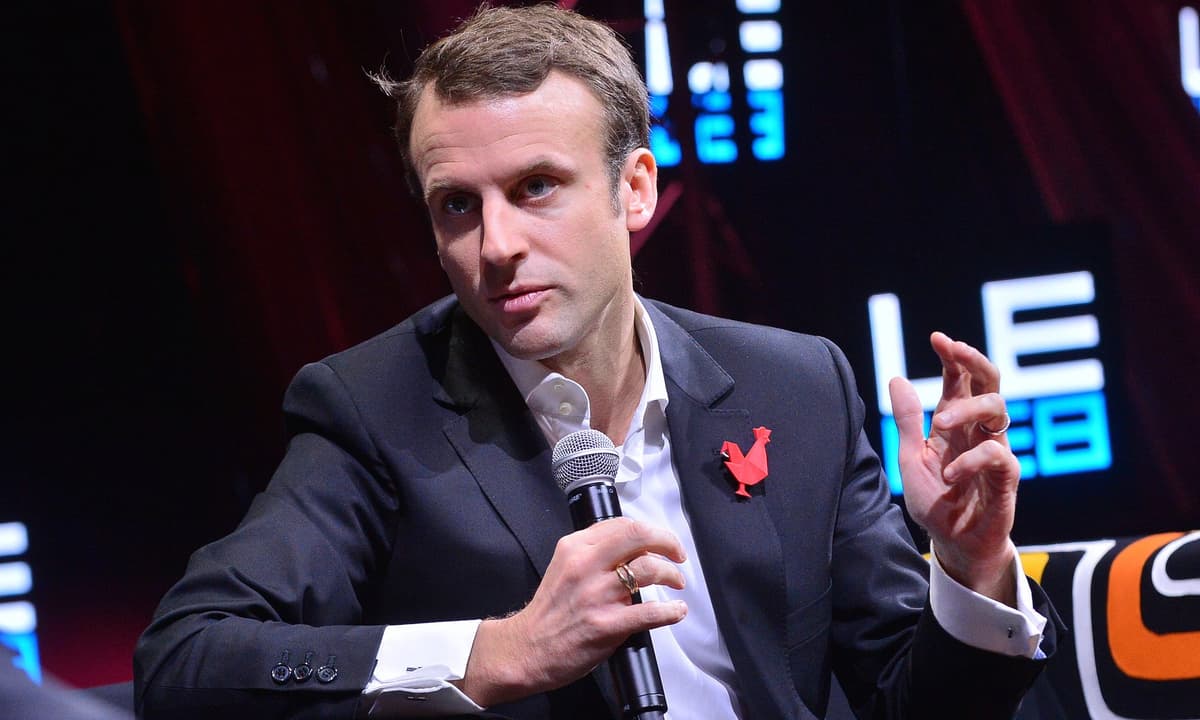
‘Europe Is Coming to Africa’. But Macron’s Nairobi Summit Could Be Little More than a PR Exercise
Why It Matters
The summit tests whether European economic outreach can replace diminishing military influence in Africa and reshape trade dynamics across the continent. Its success or failure will signal the viability of a new EU‑Africa partnership model centered on investment rather than aid.
Key Takeaways
- •Macron and Ruto host Africa Forward Summit in Nairobi, May 11‑12
- •Summit aims to showcase European investment, including French vaccine tech transfer
- •France seeks to reset Africa policy after Sahel military setbacks
- •Attendance uncertain; key African leaders like South Africa's president absent
Pulse Analysis
The Africa Forward Summit in Nairobi marks the most visible European diplomatic overture to East Africa in years. After a costly withdrawal from the Sahel—where French forces faced insurgent juntas—Paris is recalibrating its African strategy, seeking to replace military footprints with economic engagement. By convening in Kenya, a country traditionally outside France’s francophone sphere, the summit signals an attempt to broaden influence across anglophone markets. This geographic pivot also aligns with the European Union’s broader “Strategic Partnership” agenda, which emphasizes trade, technology, and climate cooperation over traditional aid.
At the core of the two‑day agenda are concrete investment pledges, most notably a French‑led technology‑transfer agreement to produce vaccines locally in Kenya. If realized, the deal could cut regional reliance on imports and create a supply chain that serves neighboring markets, reinforcing the “equal partnership” narrative touted by both governments. French corporations are also expected to unveil financing packages for renewable‑energy projects and digital infrastructure, aiming to tap Kenya’s growing middle class and its status as a regional logistics hub. Such commitments, if funded, would represent a sizable shift from aid‑centric models toward profit‑driven collaboration.
Nevertheless, the summit’s impact remains uncertain. About thirty heads of state are slated to attend, yet key players such as South Africa’s President Cyril Ramaphosa have opted out, raising doubts about the depth of continental buy‑in. Critics argue the event risks being a publicity stunt, especially if announced projects lack transparent financing or measurable milestones. For the EU, the real test will be converting rhetoric into sustained capital flows that withstand political cycles in both Brussels and Nairobi. Success could reshape Europe‑Africa trade dynamics; failure may reinforce perceptions of European disengagement.
‘Europe is coming to Africa’. But Macron’s Nairobi summit could be little more than a PR exercise
Comments
Want to join the conversation?
Loading comments...