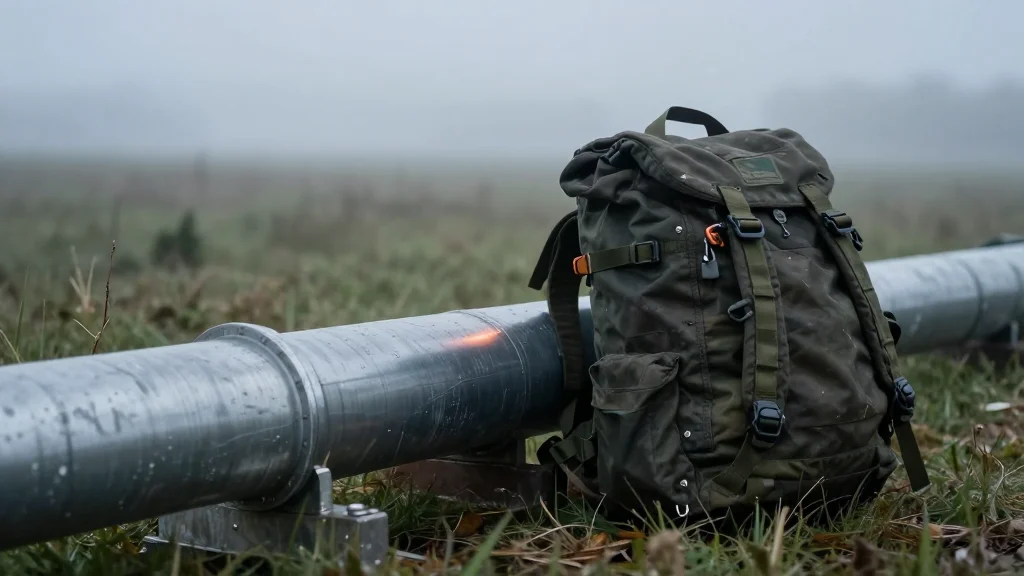
Explosives Near Balkan Stream Gas Pipeline Spark Energy‑Security Fears Ahead of Hungarian Election

Why It Matters
The discovery of explosives near a key gas conduit underscores the fragility of energy supply chains that many emerging markets rely on for affordable power. Hungary and its neighbours depend on Russian gas flowing through the Balkan Stream to keep industrial costs low; any disruption could force a costly shift to alternative fuels, inflating inflation and straining already tight fiscal balances. Politically, the incident arrives at a critical juncture for Hungary's 2026 parliamentary election, where energy security has become a central campaign theme. If the government can convincingly link the find to external threats, it may consolidate support among voters concerned about regional stability. Conversely, credible allegations of a false‑flag operation could erode trust in the incumbent, reshaping the political landscape and influencing EU policy toward the Balkans.
Key Takeaways
- •Serbian police found two backpacks of high‑power explosives near the Balkan Stream pipeline on April 5, 2026.
- •Hungarian PM Viktor Orbán called an emergency defence council meeting; opposition leader Péter Magyar labeled the incident a possible false‑flag operation.
- •The pipeline transports Russian gas to Hungary; any disruption could raise Central‑European gas prices and force reliance on costlier alternatives.
- •Hungary has blocked a €90 billion (≈ $97 billion) EU loan to Ukraine over gas‑flow disputes, heightening the geopolitical stakes.
- •Parallel security concerns include Chinese AI‑enhanced satellite imagery aiding Iran’s targeting of U.S. bases, and Zelensky’s warning that a prolonged Iran war could dilute Western support for Ukraine.
Pulse Analysis
The Balkan Stream incident illustrates how infrastructure vulnerabilities can be weaponised in electoral politics, especially in regions where energy dependence on a single supplier creates systemic risk. Orbán’s narrative of external threat aligns with a broader trend among emerging‑market leaders who leverage security concerns to justify tighter state control over strategic assets. If the explosives are traced to a state actor, it could trigger a cascade of sanctions and accelerate Europe’s push for energy diversification, benefitting LNG exporters and renewable‑energy investors.
From a market perspective, the short‑term reaction has been a modest uptick in spot gas prices across Central Europe, reflecting fears of supply bottlenecks. However, the longer‑term impact will hinge on the investigation’s outcome. A confirmed sabotage linked to Russia could reinforce EU resolve to curtail Russian gas imports, hastening the transition to alternative pipelines and green energy projects. Conversely, if the incident is deemed a domestic political stunt, it may undermine investor confidence in Hungary’s governance, prompting capital outflows and higher sovereign‑risk premiums.
Finally, the episode dovetails with the growing role of technology in modern conflict. The Chinese‑origin AI satellite imagery used by Iran’s IRGC demonstrates how open‑source tools can lower the barrier for state and non‑state actors to acquire actionable intelligence. Emerging markets with limited cyber‑defence capabilities may find themselves increasingly exposed to such asymmetric threats, prompting a reassessment of both physical and digital security investments.
Explosives Near Balkan Stream Gas Pipeline Spark Energy‑Security Fears Ahead of Hungarian Election
Comments
Want to join the conversation?
Loading comments...