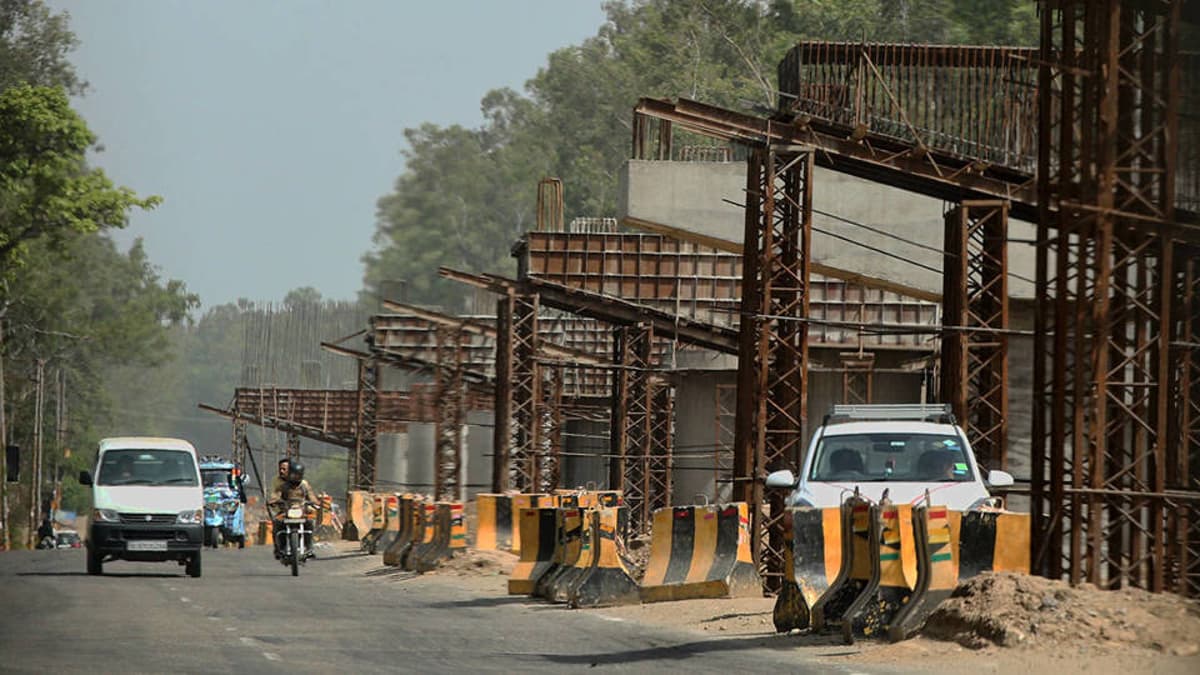
Financing the Global South’s Infrastructure Boom
•February 17, 2026
0
Why It Matters
Unchecked PPPs can destabilize banking systems and waste public funds, while robust DFIs and bond markets can unlock sustainable private capital for critical projects.
Key Takeaways
- •2024 private infrastructure investment hit $100 billion globally
- •India's PPP boom raised bank credit share to 15%
- •Public‑sector banks' NPA ratio surged to 11.2%
- •Highways and rail PPPs often default, needing public bailouts
- •Reviving national DFIs can crowd‑in private capital
Pulse Analysis
The surge in private‑participation infrastructure (PPI) financing signals a turning point for the Global South, where fiscal constraints and dwindling aid have pushed governments toward public‑private partnerships. In 2024, low‑ and middle‑income economies attracted $100 billion of private capital, a 20% jump from the 2019‑23 average. While the influx of funds promises faster project delivery, the experience of India, Spain and the United Kingdom illustrates that PPPs can become fiscal booby traps when institutional capacity, risk assessment, and contract enforcement lag behind. In India, rapid PPP expansion inflated infrastructure credit from 3.6% to over 15% of bank lending, yet poor demand forecasts and land‑acquisition delays drove non‑performing assets to 11.2% for public‑sector banks, forcing massive recapitalisation.
These setbacks highlight a structural gap: many emerging markets lack long‑term financing tools and sovereign‑backed credit mechanisms that can absorb infrastructure’s inherent risk profile. Reviving national development finance institutions (DFIs) offers a pragmatic solution. DFIs can provide patient capital, guarantee structures, and rigorous due‑diligence, thereby crowd‑in private investors who otherwise shy away from illiquid, high‑risk projects. Successful models, such as Helios Towers in Africa and India’s National Bank for Financing Infrastructure and Development, demonstrate how blended finance leverages modest public funds to unlock larger private commitments. Complementary reforms—expanding domestic bond markets, tapping pension and insurance savings, and issuing municipal‑type bonds—further deepen the financing pool.
Policymakers must therefore shift from a blanket PPP endorsement to a nuanced, sector‑specific approach. Remunerative assets like ports, airports, telecoms and power are more likely to attract sustainable private capital, whereas highways, municipal services, and railways often require stronger public backing and risk‑sharing arrangements. Strengthening project preparation units, improving demand forecasting, and ensuring transparent regulatory frameworks are equally critical. With the OECD estimating a $6.9 trillion annual infrastructure shortfall through 2030, aligning institutional capacity with tailored financing structures will be decisive in turning the Global South’s infrastructure boom into a catalyst for inclusive, climate‑resilient growth.
Financing the Global South’s Infrastructure Boom
0
Comments
Want to join the conversation?
Loading comments...