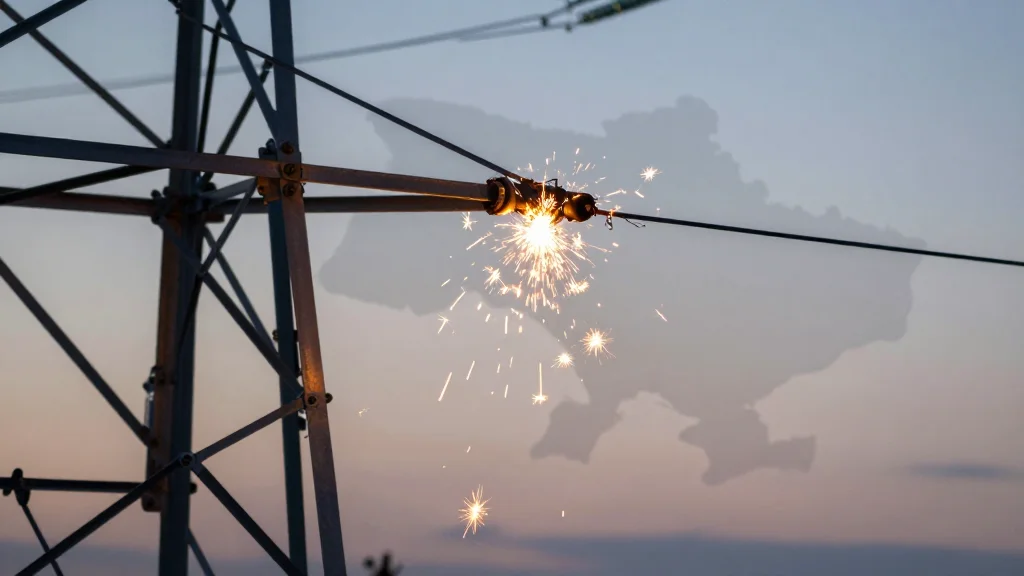
Five Killed as Russian Strikes Hit Ukraine's Power Grid Before Truce

Why It Matters
The attacks on Ukraine's power grid illustrate how geopolitical conflict can quickly translate into economic disruption for emerging markets that depend on stable energy supplies. Damage to key infrastructure forces neighboring countries to seek alternative power sources, driving up regional electricity prices and straining already fragile budgets. Moreover, the use of sophisticated missile and drone systems signals a diffusion of high‑tech weaponry that could alter security calculations for other emerging economies facing similar threats. For investors, the episode raises questions about the resilience of energy assets in conflict zones and the reliability of supply chains that cross contested borders. Companies with exposure to Ukrainian or Russian energy markets may see heightened volatility, while insurers could face rising claims related to infrastructure damage. Policymakers in the broader emerging‑market sphere may need to reconsider contingency plans for energy security and explore diversification strategies to mitigate similar risks in the future.
Key Takeaways
- •Russian forces launched 11 Iskander‑M missiles and 164 drones, killing five civilians.
- •Ukraine's power grid suffered multiple hits; Naftogaz reports 107 attacks this year.
- •President Zelenskyy called the strikes "utter cynicism" and announced a reciprocal truce.
- •Ukraine responded with long‑range cruise missiles targeting a Russian military‑industrial plant.
- •Both sides warned that any breach of the temporary cease‑fire could trigger further strikes.
Pulse Analysis
The latest wave of strikes underscores a strategic shift in the Russia‑Ukraine war: both belligerents are leveraging long‑range precision weapons to inflict economic pain while maintaining a veneer of diplomatic overtures. For emerging markets, this pattern signals a heightened risk environment where infrastructure can become a battlefield, eroding investor confidence and inflating risk premiums across the region. Historically, conflicts that target energy assets—such as the 2003 Iraq war—have led to prolonged price spikes and supply chain realignments. Ukraine's grid, already weakened by years of attrition, now faces a potential cascade effect that could force neighboring economies to import costly electricity, straining fiscal balances.
From a market perspective, the incident may accelerate capital flight from assets tied to the region's energy sector. Hedge funds and sovereign wealth funds are likely to reassess exposure, potentially prompting a sell‑off in regional utility stocks and bonds. At the same time, defense contractors that supply drones and missile technology could see a surge in demand, creating a paradox where conflict fuels certain segments of the emerging‑market defense industry.
Looking ahead, the durability of any cease‑fire will hinge on the willingness of both sides to restrain their offensive capabilities. If the truce holds, there may be a brief window for diplomatic engagement and humanitarian relief. However, the pattern of short‑lived unilateral cease‑fires suggests that the conflict will continue to generate volatility, keeping emerging‑market investors on edge and compelling policymakers to prioritize energy resilience and diversification.
Five killed as Russian strikes hit Ukraine's power grid before truce
Comments
Want to join the conversation?
Loading comments...