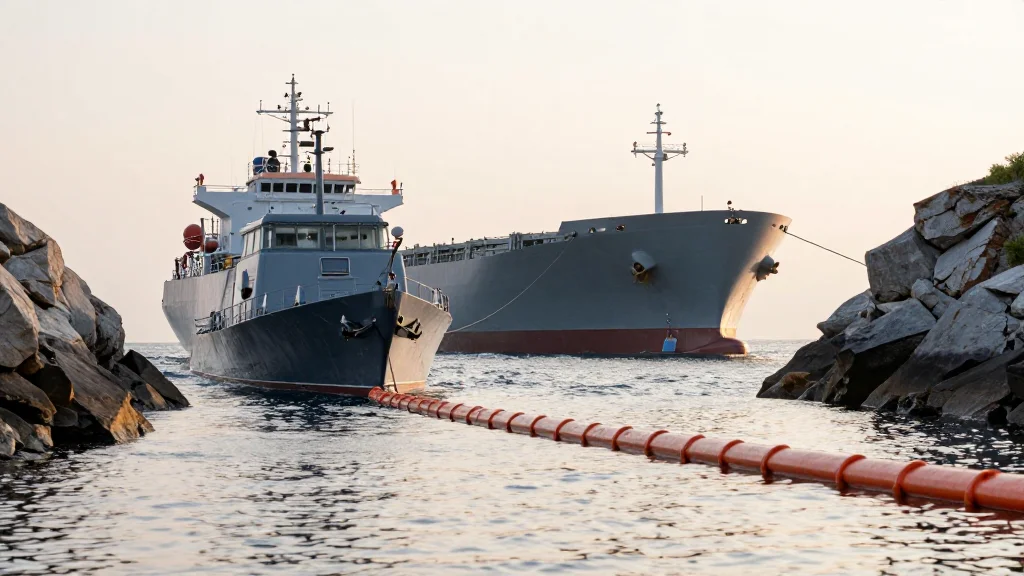
German Foreign Minister Wadephul, in Call with Iranian Counterpart, Demands Hormuz Reopening
Why It Matters
Reopening Hormuz and halting Iran’s nuclear ambitions are critical to global energy stability, while rising US‑EU tariffs threaten Germany’s key automotive sector. The combined geopolitical and economic pressures could reshape trade flows and energy markets.
Key Takeaways
- •Germany urges Iran to reopen Strait of Hormuz
- •US demands Iran abandon nuclear weapons program
- •Trump raises EU car tariffs to 25%, threatens German auto sector
- •One-fifth of global oil flows through Hormuz, heightening economic risk
- •EU‑US tensions rise amid Iran conflict and trade disputes
Pulse Analysis
The German foreign ministry’s latest diplomatic push underscores Berlin’s alignment with Washington on Iran’s nuclear trajectory and the strategic chokepoint of the Strait of Hormuz. By publicly demanding that Tehran both cease its nuclear weapons development and restore free passage through the waterway, Johann Wadephul is signaling a coordinated Western stance that could pressure Iran ahead of any multilateral negotiations. This approach also reflects Germany’s broader effort to mediate the simmering US‑German rift over trade and security policies.
Meanwhile, President Donald Trump’s abrupt decision to hike EU automotive tariffs from 15% to 25% and relocate 5,000 troops from German bases adds a volatile economic layer to the diplomatic tableau. The German auto industry, a cornerstone of the nation’s export economy, faces a steep cost increase that could erode market share in the United States. The tariff escalation, framed as retaliation for perceived EU non‑compliance with a 2025 trade pact, may trigger retaliatory measures from Europe, further straining transatlantic trade relations.
The stakes extend beyond bilateral disputes, as the Strait of Hormuz channels roughly 20% of the world’s oil supply. Any prolonged closure or disruption would reverberate through global energy prices, amplifying market uncertainty already heightened by the US‑Israeli‑Iran conflict. Investors and policymakers are closely watching whether diplomatic overtures can avert an escalation that would jeopardize oil flow, impact inflation, and reshape the strategic calculus for energy‑dependent economies worldwide.
German Foreign Minister Wadephul, in call with Iranian counterpart, demands Hormuz reopening
Comments
Want to join the conversation?
Loading comments...