Ghana-UK Growth Partnership Commits $273 M to Trade‑Focused Investment

Why It Matters
The partnership signals a paradigm shift for Ghana and, by extension, other emerging markets that have long relied on concessional aid. By tying capital to concrete trade‑related projects, the UK is betting on Ghana’s ability to generate export‑linked growth, which could reduce fiscal vulnerabilities and improve balance‑of‑payments stability. Moreover, the inclusion of climate finance and gender‑targeted employment reflects a growing demand for development models that are socially inclusive and environmentally sustainable. If the initiative delivers on its promises, it could catalyse a wave of similar agreements across Africa, prompting donor nations to re‑package assistance as investment. This would reshape the financing landscape, encouraging private investors to engage in sectors traditionally dominated by aid, and potentially accelerating industrialisation, digital transformation and climate resilience throughout the continent.
Key Takeaways
- •UK‑Ghana Growth Partnership commits up to £215 million ($273 million) for trade‑focused projects.
- •£101 million ($128 million) allocated to the Takoradi Floating Dock, creating up to 430 jobs with a 30 % women quota.
- •£94 million ($119 million) earmarked for reforestation and forest restoration, linking climate action to rural employment.
- •£6 million ($7.6 million) technology fund supports Ghana’s AI strategy and university collaborations.
- •Joint steering committee led by President Mahama and High Commissioner Christian Rogg will monitor bi‑annual progress.
Pulse Analysis
The Ghana‑UK Growth Partnership is more than a bilateral cash injection; it is a strategic blueprint for how emerging markets can leverage the appetite of developed economies for impact‑linked investments. Historically, aid flows have been tied to policy conditionalities that limit recipient autonomy. By contrast, this pact ties funding to revenue‑generating assets—such as a commercial dock—that can produce measurable returns, thereby aligning donor risk appetites with host‑country growth objectives.
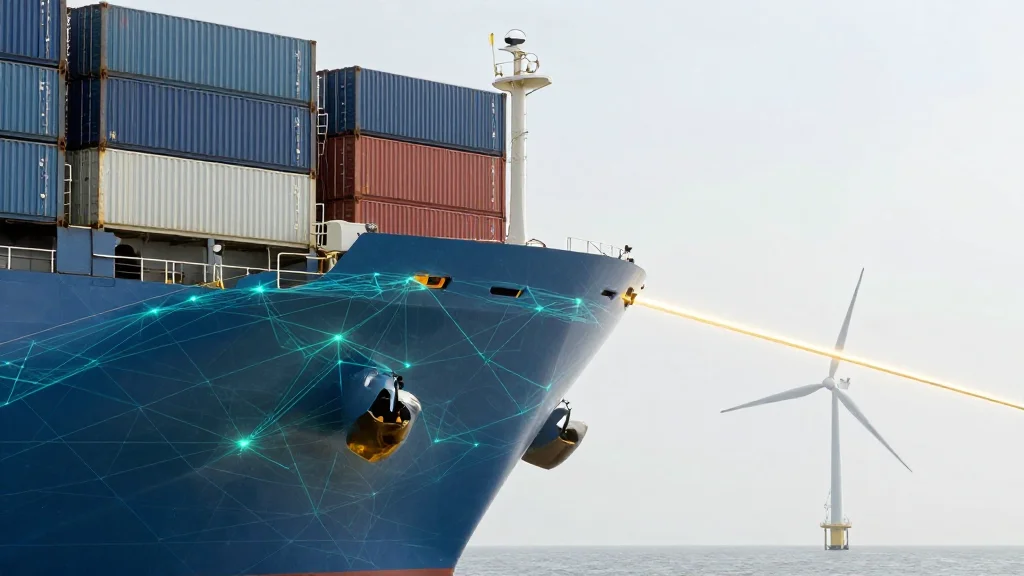
From a market perspective, the maritime component addresses a bottleneck that has long constrained West African trade logistics. A functional dry‑dock can reduce ship‑turnaround times, lower freight costs and attract ancillary services, creating a multiplier effect across the supply chain. The gender‑targeted employment clause also reflects a growing investor focus on ESG criteria, suggesting that future capital allocations may increasingly hinge on demonstrable social outcomes.
Looking ahead, the partnership’s success will hinge on execution capacity. Ghana must translate the pledged funds into operational assets within tight timelines while maintaining transparency to satisfy both domestic stakeholders and foreign investors. If the pilot delivers on job creation, climate benefits and tech upskilling, it could unlock a cascade of private‑sector commitments from other European nations, reshaping the aid‑to‑investment narrative across the Global South.
Ghana-UK Growth Partnership Commits $273 M to Trade‑Focused Investment
Comments
Want to join the conversation?
Loading comments...