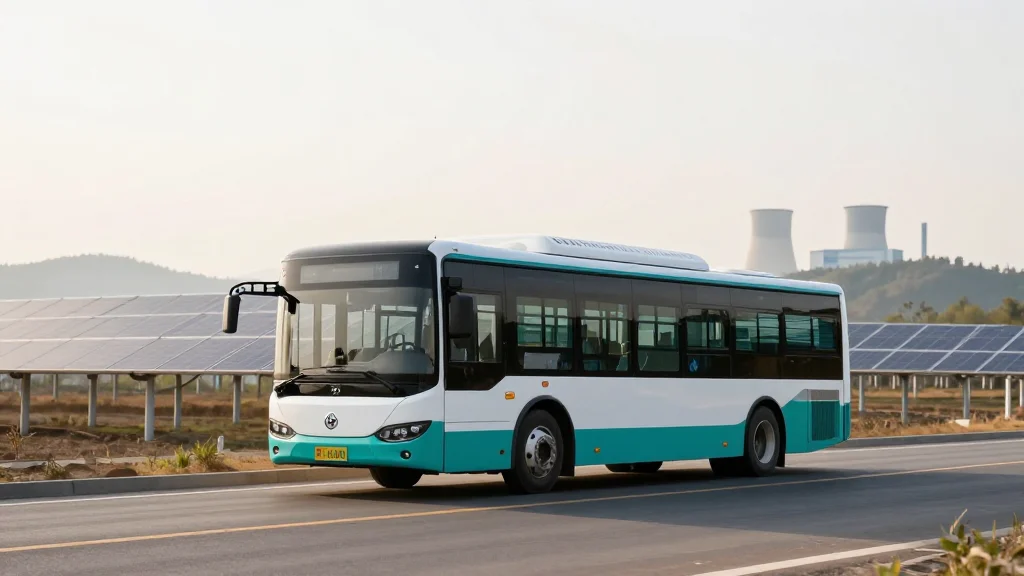
Ghana Unveils Massive Clean‑Energy and Transit Plan Targeting 1,100 MW by 2035

Why It Matters
Ghana’s plan could reshape the energy and transport landscape of sub‑Saharan Africa by demonstrating that a middle‑income country can coordinate nuclear, renewable and electric‑mobility investments under a single national strategy. Success would provide a proof‑point for multilateral lenders and impact investors seeking scalable climate solutions in emerging markets, potentially accelerating the region’s overall decarbonisation trajectory. At the same time, the initiative highlights the challenges of aligning large‑scale infrastructure with climate goals in economies that still grapple with energy insecurity and fiscal constraints. The outcomes will inform how other emerging markets balance technological ambition with financing realities, influencing future climate‑finance architectures worldwide.
Key Takeaways
- •Ghana targets 100 MW of nuclear base‑load power by 2032.
- •More than 1,000 MW of new renewable capacity slated for 2027‑2035.
- •An inner‑city rail system in Accra will anchor electric‑vehicle transit expansion.
- •Green‑hydrogen production and clean‑cooking solutions are included in the plan.
- •The ten‑year framework aims to attract sovereign green bonds and multilateral climate funds.
Pulse Analysis
Ghana’s integrated climate framework marks a departure from the piecemeal project‑by‑project approach that has dominated African green‑energy financing. By bundling nuclear, renewables, transport and industrial reforms into a single, ten‑year roadmap, the government is creating a more predictable pipeline that can be packaged for large‑scale investors. This mirrors the financing models used in mature markets, where long‑term policy certainty drives bond issuance and private equity participation.
Historically, sub‑Saharan nations have shied away from nuclear due to cost, expertise and public‑perception hurdles. Ghana’s willingness to pursue a modest 100 MW plant suggests a strategic bet: nuclear can provide the baseload stability needed to integrate intermittent renewables, thereby lowering overall system costs. If the plant is successfully commissioned, it could set a precedent for other countries facing similar hydro‑reliance and thermal‑plant volatility.
However, the plan’s success hinges on three critical variables. First, the ability to secure financing without over‑leveraging sovereign debt. Second, the establishment of robust regulatory and safety frameworks for nuclear operations—a non‑trivial undertaking for a country with limited prior experience. Third, community buy‑in, especially for the rail and EV infrastructure that will reshape urban mobility. Monitoring these factors will be essential for investors and policymakers watching Ghana’s experiment, as its outcomes will likely influence the next wave of climate‑finance strategies across emerging markets.
Ghana Unveils Massive Clean‑Energy and Transit Plan Targeting 1,100 MW by 2035
Comments
Want to join the conversation?
Loading comments...