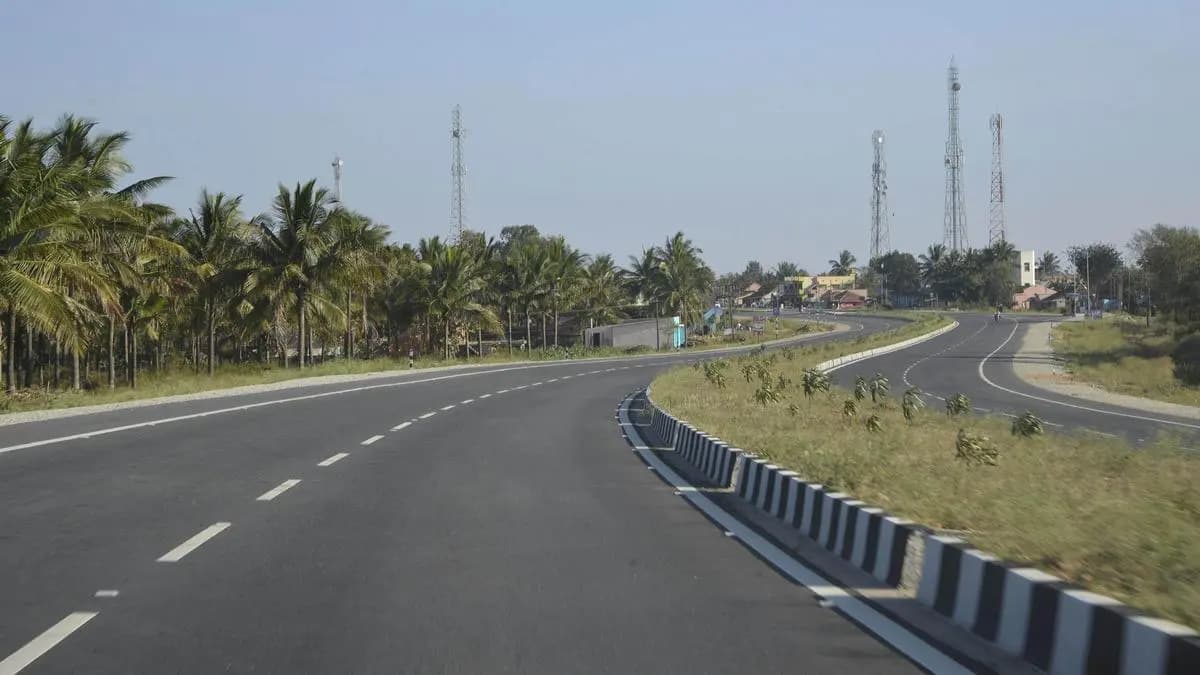
Govt Aims to Revive Private Investment in Highway Construction
•February 16, 2026
0
Why It Matters
Reviving private funding reduces fiscal pressure and accelerates critical road upgrades, boosting logistics efficiency and India’s global competitiveness.
Key Takeaways
- •Target ₹1 lakh crore private highway projects by FY2027.
- •Private share aimed at 25% of highway development next year.
- •New rules offer revenue guarantees and risk‑share fund.
- •Global funds permitted to bid, boosting foreign participation.
- •Shift from BOT‑Toll to Hybrid Annuity model dominates awards.
Pulse Analysis
India’s highway network has long relied on public financing, and a decade of investor retreat left the sector dependent on budget allocations. The Modi administration’s latest budget earmarks ₹12.2 lakh crore for infrastructure, with roads and bridges receiving a 6.9 % uplift to ₹3.1 lakh crore. Against this backdrop, officials aim to award projects worth ₹1 lakh crore to private developers by FY 2027, pushing private participation from single‑digit levels to 25 % next year. The move signals a strategic shift toward market‑driven expansion.
The government is drafting a rulebook that couples revenue‑protection mechanisms with an Infrastructure Risk Guarantee Fund, addressing the two chief grievances that drove capital away: toll‑revenue uncertainty and bureaucratic delays. By allowing sovereign and private equity funds to bid directly and then partner with technical firms, the framework mirrors global best practices seen in Europe and North America. It also formalises the transition from the fading BOT‑Toll model—now only 1 % of awards—to the Hybrid Annuity and EPC contracts that currently dominate the 26,425 km of roads awarded.
If successful, the policy could unlock billions of dollars in foreign and domestic capital, lowering logistics costs and enhancing India’s competitiveness against China’s Belt‑and‑Road initiatives. The broader push to privatise loss‑making airports and invite foreign partnerships in shipbuilding suggests a coordinated effort to diversify funding sources across infrastructure. For investors, the guarantee fund and clearer concession terms provide a more predictable risk‑return profile, potentially accelerating the high‑speed corridor expansion fivefold within the next decade.
Govt aims to revive private investment in highway construction
0
Comments
Want to join the conversation?
Loading comments...