Govt Insists on Growth Target as World Bank Lowers Forecast
Companies Mentioned
Why It Matters
The stance signals policy confidence that can shape investor sentiment and fiscal planning, while the gap with external forecasts may affect credit ratings and capital flows.
Key Takeaways
- •Indonesia sticks to 5.4% 2026 growth target.
- •World Bank cuts forecast to 4.7% amid Iran war.
- •OECD lowers its projection to 4.8% for 2026.
- •Oil prices above $100 per barrel pressure budget assumptions.
- •Strategic reserves and exports act as economic hedge.
Pulse Analysis
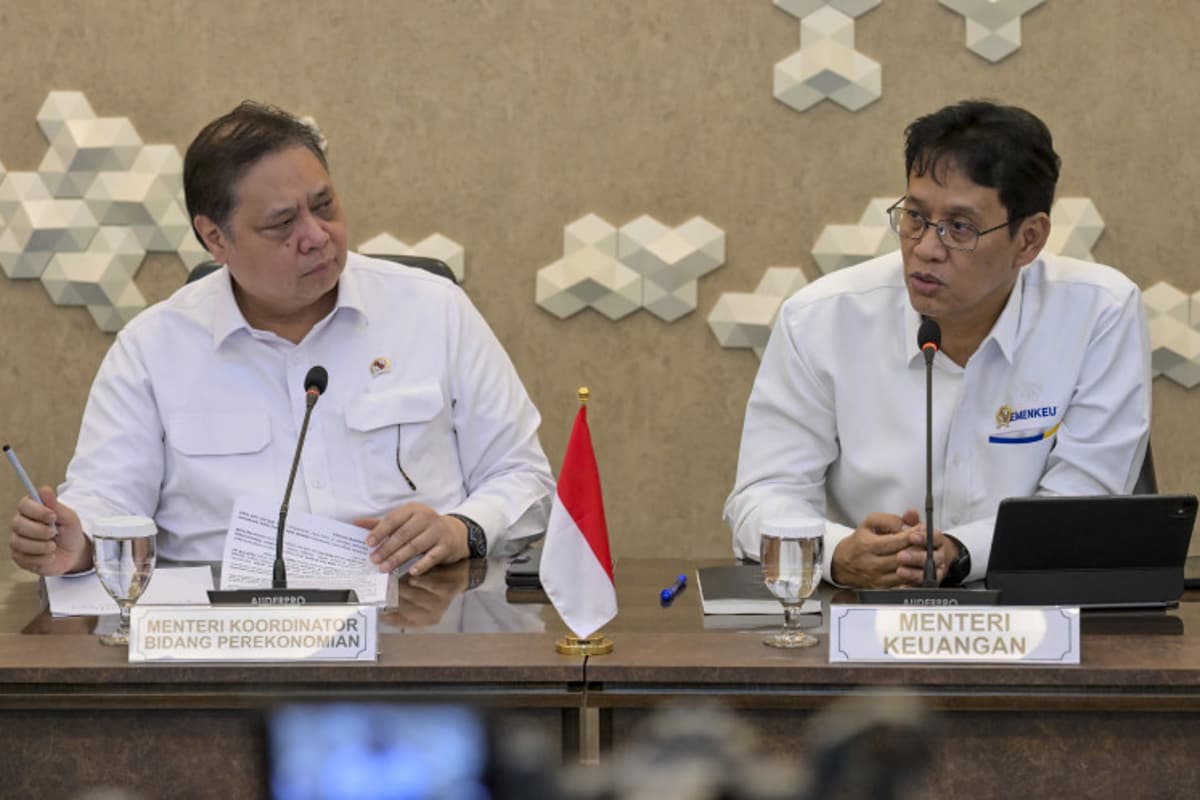
Indonesia’s 2026 fiscal plan hinges on a 5.4 percent gross domestic product expansion, a figure the government has publicly pledged to meet or exceed. Coordinating Economy Minister Airlangga Hartarto framed the target as non‑negotiable, emphasizing that any deviation would depend on the stability of the geopolitical environment, particularly the ongoing United States‑Israel conflict in Iran. By anchoring policy to a concrete growth number, Jakarta aims to signal fiscal discipline to both domestic constituencies and international investors, reinforcing confidence in its macro‑economic roadmap.
The World Bank’s latest East Asia & Pacific Economic Update trimmed Indonesia’s 2026 growth outlook to 4.7 percent, while the OECD revised its estimate to 4.8 percent, citing heightened headwinds from the Iran war and surging oil prices that have lingered above $100 per barrel. Although the archipelago enjoys sizable strategic petroleum reserves and a robust refining sector, the sharp deviation between official targets and external forecasts underscores the vulnerability of export‑driven economies to sudden commodity price spikes. Regional peers such as Thailand and the Philippines face similar downward revisions, highlighting a broader Pacific slowdown.
Investors are watching how Jakarta reconciles its ambitious target with the reality of tighter external estimates. A persistent gap could pressure sovereign credit ratings and raise borrowing costs, prompting the finance ministry to consider contingency measures such as adjusting the fuel surcharge or tapping the sovereign wealth fund. Conversely, if Indonesia can leverage its commodity export revenues and maintain domestic demand, it may validate the government’s optimism and preserve market confidence. In the medium term, the country’s ability to diversify away from oil‑centric shocks will be a key determinant of sustainable growth.
Govt insists on growth target as World Bank lowers forecast
Comments
Want to join the conversation?
Loading comments...