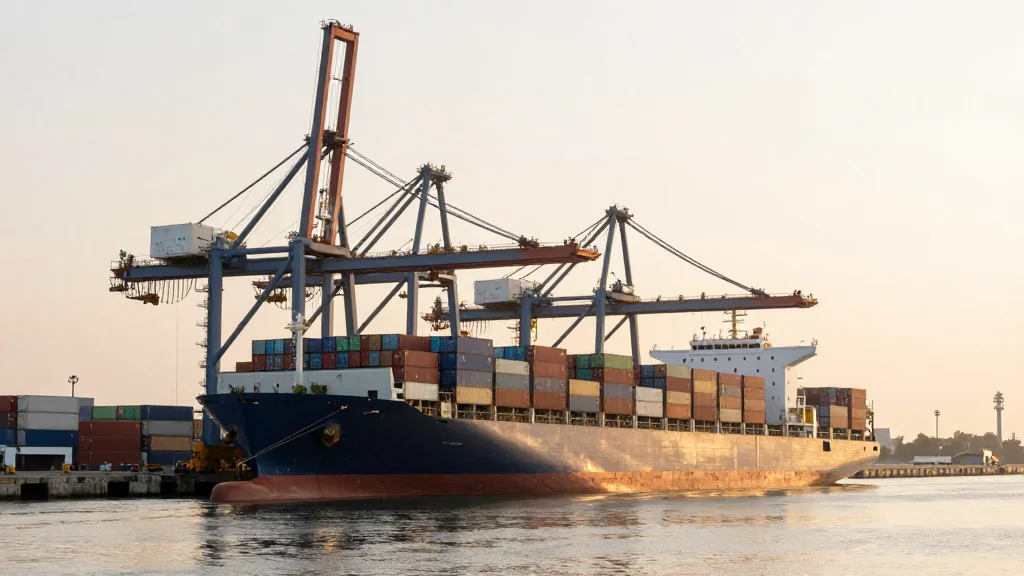
Gulf‑Backed 50‑Year Karachi Port Concession Signals New Era of Economic Diplomacy

Companies Mentioned
Why It Matters
The Karachi concession demonstrates a growing paradigm where emerging‑market governments leverage private‑sector concessions to attract capital while sidestepping debt‑financed aid. By aligning investor incentives with long‑term operational performance, such deals can accelerate infrastructure upgrades that are critical for trade‑driven growth. At the same time, the model deepens geopolitical ties, as Gulf states embed themselves in the logistics chains of South Asia, potentially reshaping regional influence. If the partnership delivers on its modernization promises, it could set a template for other ports in the Indian Ocean rim, encouraging a wave of concession‑based financing that redefines how emerging economies fund large‑scale projects. Conversely, any misstep could fuel domestic backlash over foreign control of strategic assets, prompting governments to reassess the balance between sovereignty and investment.
Key Takeaways
- •UAE‑linked joint venture secured a 50‑year concession for Karachi’s East Wharf, handling ~60% of Pakistan’s cargo.
- •Modernization requires multi‑billion‑dollar investment in berths, automation and workforce training.
- •Concessions keep capital off host‑government balance sheets, reducing sovereign‑debt exposure.
- •Gulf states pledged $41 billion in African investments (2025) and $38 billion in UAE‑US trade (2024), highlighting the shift from aid to commercial deals.
- •Port upgrades slated for 2028–2029 aim to cut congestion and boost trade competitiveness.
Pulse Analysis
The Karachi concession is more than a commercial contract; it is a strategic instrument that blends finance with foreign policy. Historically, emerging markets have relied on concessional loans and aid to fund infrastructure, often at the cost of increased debt vulnerability. The Gulf’s pivot to long‑duration concessions reflects both surplus capital from diversification away from oil and a desire to cement influence through tangible assets. By embedding private investors in critical logistics nodes, the Gulf creates a durable foothold that can survive electoral cycles and policy shifts.
From a market perspective, the deal could unlock a cascade of private‑capital inflows into South Asia’s port sector, where aging facilities have long hampered efficiency. Investors are likely to demand transparent governance frameworks and revenue‑sharing mechanisms that protect their returns while delivering public benefits. The success of the Karachi model will hinge on the joint venture’s ability to meet ambitious timelines without compromising local labor standards or security protocols.
Looking ahead, policymakers in other emerging economies may view the Karachi concession as a blueprint for attracting non‑debt financing. However, they must weigh the diplomatic upside against potential strategic dependencies. As Gulf capital continues to flow into infrastructure, the balance of power in the Indian Ocean region could tilt, prompting both regional rivals and traditional donors to reassess their engagement strategies.
Gulf‑Backed 50‑Year Karachi Port Concession Signals New Era of Economic Diplomacy
Comments
Want to join the conversation?
Loading comments...