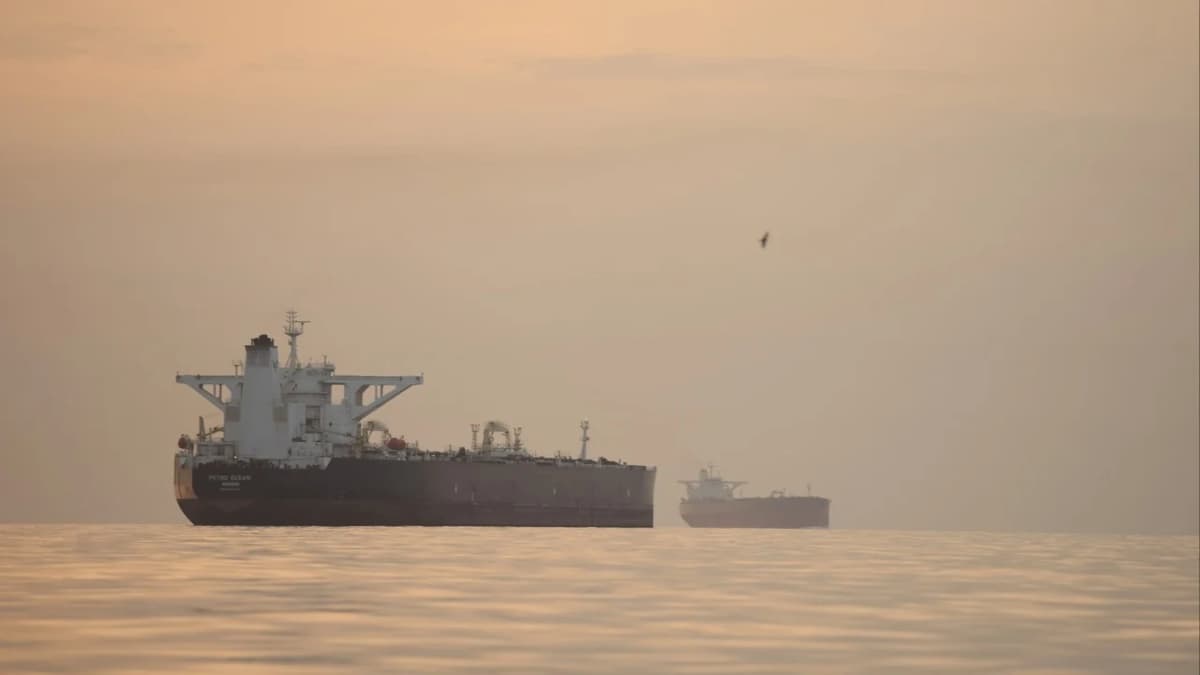
‘Hormuz Moment’ Could Herald Decline of US Dominance: Citic Securities Analysts
Why It Matters
Disruptions in Hormuz threaten the U.S. oil supply chain, potentially weakening its global influence and opening space for China to lead new energy trade routes.
Key Takeaways
- •US oil shipments rely heavily on Strait of Hormuz
- •Iranian blockades raise risk of supply disruptions
- •China sees opportunity to reshape global energy routes
- •Analysts liken situation to 1950s Suez Crisis
- •US may need alternative corridors to maintain dominance
Pulse Analysis
The Strait of Hormuz remains a chokepoint for roughly a third of the world’s oil trade, and recent Iranian naval actions have underscored the vulnerability of U.S. energy logistics. While the United States has traditionally leveraged its naval superiority to keep the waterway open, the frequency of blockades and the growing sophistication of asymmetric tactics are forcing policymakers to reconsider the resilience of a supply chain that hinges on a single narrow passage. This heightened risk is prompting a strategic reassessment of how America secures its energy imports and projects power abroad.
Historical parallels provide a lens for understanding the potential fallout. In the 1950s, Britain’s loss of control over the Suez Canal marked a decisive decline in its imperial reach, reshaping trade routes and prompting a realignment of global influence. Citic Securities draws a similar line, suggesting that a prolonged "Hormuz moment" could diminish U.S. leverage in the Middle East and beyond, compelling a shift toward diversified maritime corridors. The analogy highlights how control over critical infrastructure can dictate geopolitical standing, and it warns that complacency may accelerate a transfer of strategic advantage.
China is positioning itself to capitalize on any systemic shock. By investing in overland pipelines, expanding port capacity in the Persian Gulf, and deepening ties with oil‑producing nations, Beijing aims to construct a parallel energy network less dependent on Western naval protection. If the United States is forced to divert shipments around Africa or develop new Arctic routes, Chinese‑backed alternatives could capture market share, reshaping pricing dynamics and supply reliability. Investors and policymakers alike should monitor how these developments influence global oil flows, regional alliances, and the broader contest for economic supremacy.
‘Hormuz moment’ could herald decline of US dominance: Citic Securities analysts
Comments
Want to join the conversation?
Loading comments...